
How do interest rates affect inflation?
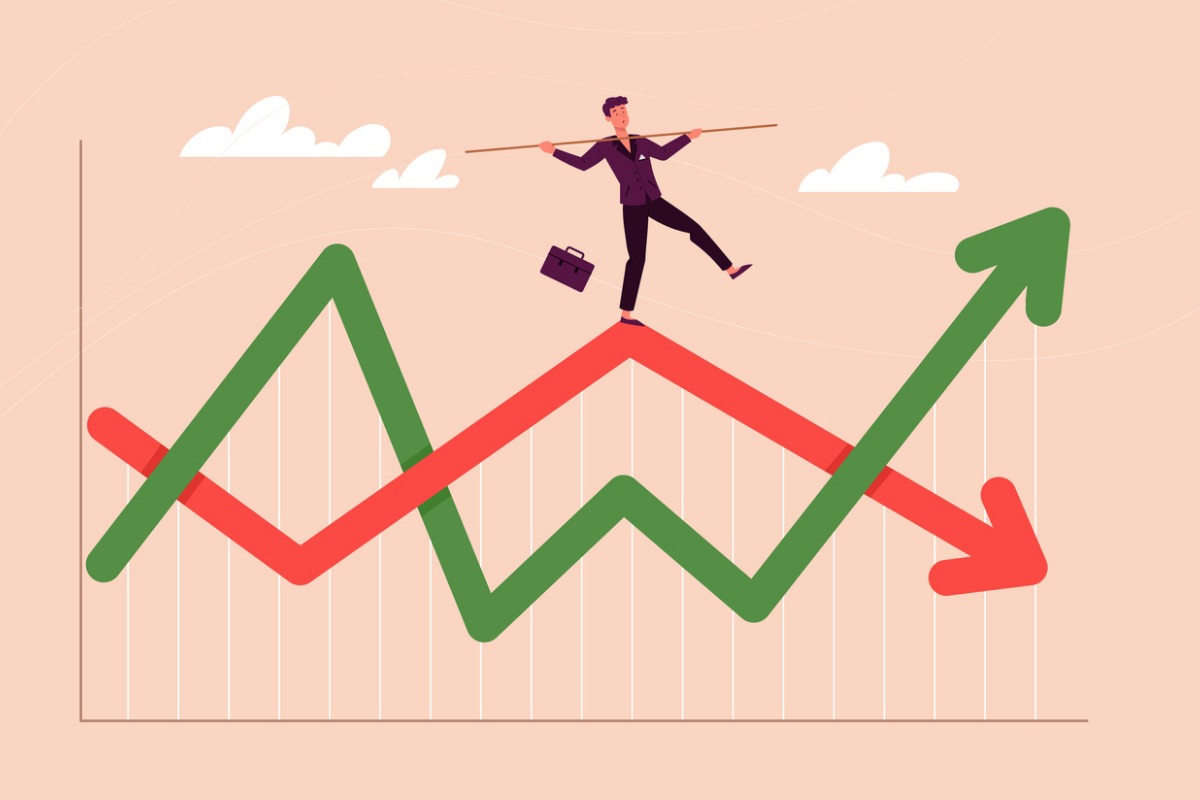
How Do Interest Rates Affect Inflation?
Inflation and interest rates are two of the most important forces shaping an economy. They influence everything from the prices consumers pay to the cost of borrowing, business investment, and economic growth. Central banks, such as the U.S. Federal Reserve, the European Central Bank, and the Bank of England, use interest rates as one of their primary tools to manage inflation. Understanding how these two factors interact can help individuals make better financial decisions and better understand changes in the economy.
What Is Inflation?
Inflation is the rate at which the general price level of goods and services increases over time. As inflation rises, the purchasing power of money declines, meaning each unit of currency buys fewer goods and services than before.
For example, if annual inflation is 4%, an item that costs $100 today will cost approximately $104 next year. Moderate inflation is generally considered a sign of a growing economy, but excessively high inflation can reduce consumer purchasing power, create uncertainty, and slow economic growth.
What Are Interest Rates?
Interest rates represent the cost of borrowing money or the reward for saving it. When you take out a loan, you pay interest to the lender. Conversely, when you deposit money into a savings account, you typically earn interest.
Central banks set benchmark interest rates that influence borrowing costs throughout the economy. Commercial banks use these benchmark rates to determine the interest charged on mortgages, personal loans, business loans, and credit cards, as well as the interest paid on savings accounts.
The Relationship Between Interest Rates and Inflation
Interest rates and inflation are closely connected. Generally:
-
Higher interest rates help reduce inflation.
-
Lower interest rates tend to encourage inflation.
This relationship exists because interest rates directly affect consumer spending, business investment, borrowing, and saving.
How Higher Interest Rates Reduce Inflation
When inflation rises above a central bank's target, policymakers often increase interest rates to slow economic activity.
1. Borrowing Becomes More Expensive
Higher interest rates increase the cost of loans for consumers and businesses. Mortgages, auto loans, business financing, and credit card debt all become more expensive.
As borrowing declines, consumers reduce spending on large purchases, while businesses postpone expansion and investment projects.
2. Consumers Save More
Higher interest rates make savings accounts, certificates of deposit, and other interest-bearing investments more attractive.
Instead of spending money immediately, households may choose to save more, reducing demand for goods and services.
3. Businesses Reduce Investment
Businesses often rely on loans to finance equipment purchases, expansion, and hiring. Higher financing costs make many projects less profitable.
As business investment slows, overall demand in the economy decreases, helping ease inflationary pressure.
4. Demand Falls
When both consumers and businesses spend less, overall demand declines.
Lower demand makes it harder for companies to continue raising prices aggressively. Competition for customers often forces businesses to slow price increases.
How Lower Interest Rates Can Increase Inflation
During periods of weak economic growth or recession, central banks often lower interest rates.
Lower rates stimulate economic activity in several ways.
Cheaper Borrowing
Lower interest rates reduce monthly loan payments and borrowing costs.
Consumers become more willing to finance homes, vehicles, education, and other purchases.
Businesses are also more likely to invest in new projects, hire employees, and expand production.
Increased Consumer Spending
With lower borrowing costs and reduced incentives to save, consumers generally spend more money.
Higher consumer demand encourages businesses to increase production and hire additional workers.
Rising Prices
If demand grows faster than businesses can supply goods and services, shortages may develop.
Businesses often respond by increasing prices, leading to higher inflation.
Why Central Banks Adjust Interest Rates
Most modern central banks aim to maintain low and stable inflation while supporting employment and sustainable economic growth.
When inflation becomes too high, they typically raise interest rates.
When economic growth weakens significantly or unemployment rises, they often lower interest rates to encourage borrowing and spending.
This balancing act is one of the most important responsibilities of monetary policymakers.
The Time Lag
Interest rate changes do not affect inflation immediately.
It often takes several months—or even more than a year—for changes in interest rates to fully influence consumer behavior, business investment, employment, and prices.
Because of this delay, central banks must make decisions based on forecasts rather than current inflation alone.
Other Factors That Affect Inflation
Although interest rates are powerful, they are not the only influence on inflation. Other important factors include:
-
Supply chain disruptions
-
Energy and fuel prices
-
Wage growth
-
Government spending
-
Taxes
-
Exchange rates
-
Global economic conditions
-
Natural disasters or geopolitical conflicts
For example, rising oil prices can increase transportation and manufacturing costs, leading to inflation even if interest rates remain unchanged.
Real-World Example
Suppose inflation rises to 7%, well above a central bank's target of 2%.
To slow inflation, the central bank raises its benchmark interest rate.
As a result:
-
Mortgage rates increase.
-
Car loans become more expensive.
-
Businesses delay expansion plans.
-
Consumers reduce discretionary spending.
-
Demand slows.
-
Businesses find it harder to raise prices.
Over time, inflation begins to decline toward the target level.
Conversely, if the economy enters a recession with low inflation, the central bank may lower interest rates.
Lower borrowing costs encourage households and businesses to spend and invest more, boosting economic activity. However, if demand grows too quickly, inflation may rise again.
Benefits of Higher Interest Rates
When used appropriately, higher interest rates can provide several advantages:
-
Reduce excessive inflation.
-
Encourage saving.
-
Help stabilize prices.
-
Prevent economic overheating.
-
Strengthen confidence in the currency.
Drawbacks of Higher Interest Rates
Higher rates also have costs:
-
More expensive mortgages and loans.
-
Slower business investment.
-
Reduced consumer spending.
-
Higher unemployment if economic growth slows significantly.
-
Increased debt servicing costs for governments and businesses.
Because of these trade-offs, central banks typically adjust interest rates gradually rather than making abrupt changes.
The Delicate Balance
Managing inflation is about finding the right balance. If interest rates remain too low for too long, inflation may accelerate beyond healthy levels. If rates stay too high for an extended period, borrowing and investment may slow excessively, increasing the risk of recession.
Central banks continually monitor economic indicators—including inflation, employment, wages, consumer spending, and business activity—to determine whether interest rates should rise, fall, or remain unchanged.
Conclusion
Interest rates are among the most effective tools available to central banks for controlling inflation. Higher interest rates discourage borrowing and spending, reducing demand and slowing price increases. Lower interest rates encourage borrowing, investment, and consumer spending, which can stimulate economic growth but may also increase inflation if demand outpaces supply.
Although many factors influence inflation, interest rates play a central role in maintaining price stability and supporting long-term economic health. Understanding this relationship helps consumers, investors, and businesses make more informed financial decisions and better interpret changes in the broader economy.
- Arts
- Business
- Computers
- Jogos
- Health
- Início
- Kids and Teens
- Money
- News
- Personal Development
- Recreation
- Regional
- Reference
- Science
- Shopping
- Society
- Sports
- Бизнес
- Деньги
- Дом
- Досуг
- Здоровье
- Игры
- Искусство
- Источники информации
- Компьютеры
- Личное развитие
- Наука
- Новости и СМИ
- Общество
- Покупки
- Спорт
- Страны и регионы
- World

 English
 Russian
 French
 Spanish
 Deutsch
 Turkish
 Dutch
Dutch
 Italiano
 Arabic
 Romaian
 Portuguese (Brazil)
 Greek
Greek
