
Inflation vs. cost of living
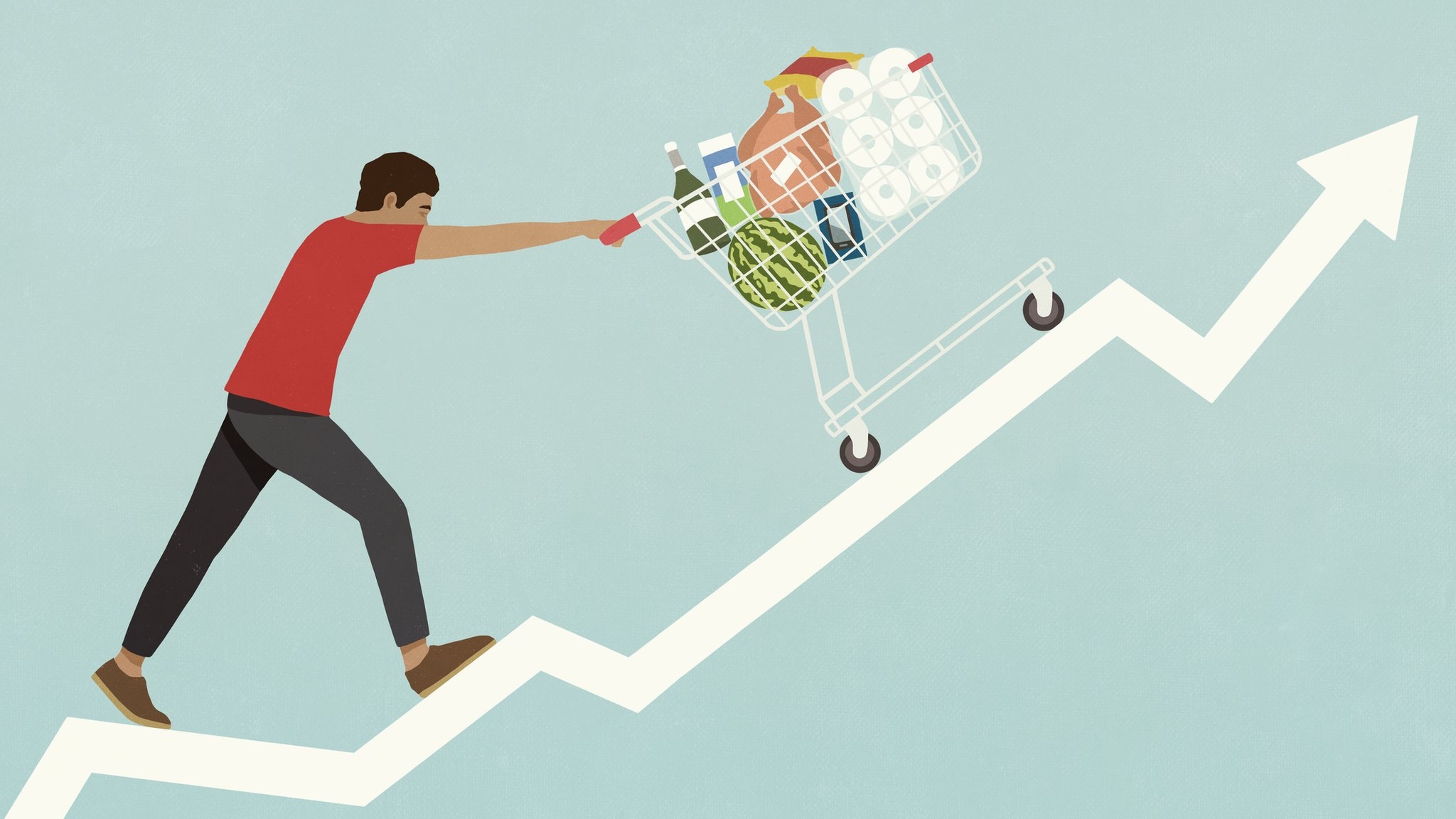
Inflation vs. Cost of Living: Understanding the Difference
When people notice that groceries, rent, or fuel are becoming more expensive, they often say, "Inflation is making the cost of living higher." While this statement is partly true, inflation and the cost of living are not the same thing. They are closely related, but each measures a different aspect of the economy. Understanding the distinction helps individuals make informed financial decisions and better interpret economic news.
What Is Inflation?
Inflation is the general increase in the prices of goods and services over time, which reduces the purchasing power of money. In simple terms, as inflation rises, each unit of currency buys fewer goods and services than before.
Economists typically measure inflation using indicators such as the Consumer Price Index (CPI) or the Producer Price Index (PPI). These indexes track changes in the prices of a basket of goods and services over a specific period.
For example, if annual inflation is 5%, an item that cost $100 last year would cost approximately $105 this year. Inflation does not necessarily mean that every product becomes more expensive by the same percentage. Some prices may increase rapidly, others may remain stable, and some may even decrease.
Causes of Inflation
Inflation can occur for several reasons:
-
Demand-pull inflation: Consumer demand exceeds the available supply of goods and services.
-
Cost-push inflation: Rising production costs, such as wages or raw materials, force businesses to raise prices.
-
Monetary inflation: An increase in the money supply can reduce the value of money if it grows faster than the economy.
A moderate level of inflation is generally considered normal and can indicate a growing economy. However, excessively high inflation can reduce purchasing power and create financial uncertainty.
What Is the Cost of Living?
The cost of living refers to the amount of money needed to maintain a particular standard of living in a specific place and time. It includes expenses such as:
-
Housing
-
Food
-
Transportation
-
Healthcare
-
Education
-
Utilities
-
Taxes
-
Entertainment and other daily necessities
Unlike inflation, which measures changes in prices over time, the cost of living measures how expensive it is to live in a particular location or lifestyle.
For example, living in a large metropolitan city usually costs much more than living in a small rural town. Rent, transportation, and food prices may vary significantly even if the national inflation rate is relatively low.
Key Differences Between Inflation and Cost of Living
Although these concepts are related, they have distinct meanings.
| Inflation | Cost of Living |
|---|---|
| Measures the rate at which prices increase over time. | Measures the total expenses required to maintain a certain lifestyle. |
| Usually expressed as a percentage. | Usually expressed as the amount of money needed to cover living expenses. |
| A national or regional economic indicator. | Can vary greatly by city, region, or country. |
| Focuses on price changes. | Focuses on affordability and household expenses. |
In simple terms, inflation tells us how fast prices are rising, while the cost of living tells us how much it costs to live.
How Inflation Affects the Cost of Living
Inflation often increases the cost of living because households must spend more money on everyday necessities. When prices rise but incomes remain unchanged, people can afford fewer goods and services.
For instance, imagine a family spends $2,000 per month on essential expenses. If inflation causes prices to increase by 8%, their monthly expenses could rise to approximately $2,160. Unless their income also increases, their purchasing power declines.
However, inflation is not the only factor affecting the cost of living. Other influences include:
-
Local housing markets
-
Tax policies
-
Utility costs
-
Transportation infrastructure
-
Healthcare expenses
-
Regional wage levels
Therefore, two cities experiencing the same inflation rate may still have very different costs of living.
Real-Life Example
Consider two cities:
City A
-
Monthly rent: $600
-
Grocery costs: $300
-
Transportation: $100
Total monthly essentials: $1,000
City B
-
Monthly rent: $1,500
-
Grocery costs: $450
-
Transportation: $250
Total monthly essentials: $2,200
Suppose both cities experience an annual inflation rate of 4%. Prices rise at the same pace in each city, but City B remains significantly more expensive. This example shows that inflation measures the rate of price increase, whereas the cost of living measures the overall expense of living.
Why the Difference Matters
Understanding the difference between inflation and the cost of living benefits individuals, businesses, and governments.
For Individuals
Consumers can make better budgeting decisions when they understand whether higher expenses result from inflation or from relocating to a more expensive area. Workers may also negotiate salaries based on inflation and local living costs.
For Businesses
Companies monitor inflation to estimate production costs and pricing strategies. They also consider local costs of living when determining employee salaries and benefits, especially across different regions.
For Governments
Governments and central banks monitor inflation closely when setting monetary policy. If inflation rises too quickly, central banks may increase interest rates to slow spending and stabilize prices.
Governments also consider the cost of living when designing social assistance programs, adjusting minimum wages, or determining pension increases to help households maintain their purchasing power.
Cost-of-Living Adjustments (COLA)
Many employers and government agencies provide Cost-of-Living Adjustments (COLA) to offset the effects of inflation. These adjustments increase salaries, pensions, or benefits so recipients can maintain a similar standard of living despite rising prices.
For example, if inflation reaches 3% during a year, an employee earning $50,000 annually might receive a 3% salary increase, raising their income to $51,500. While this adjustment may not fully cover all rising expenses, it helps preserve purchasing power.
Can the Cost of Living Rise Without High Inflation?
Yes. The cost of living can increase even when overall inflation remains low.
For example:
-
Housing shortages may cause rents to rise sharply in one city.
-
Healthcare costs may increase due to local policy changes.
-
Energy prices may surge because of regional supply issues.
-
Taxes or insurance premiums may increase independently of national inflation.
In these situations, residents experience a higher cost of living even if the country's inflation rate remains relatively stable.
Can Inflation Fall While Living Remains Expensive?
Yes. A lower inflation rate does not mean prices are falling. Instead, it means prices are increasing more slowly.
For example, if inflation declines from 8% to 3%, prices are still rising—they are simply rising at a slower pace. The high prices reached during the earlier period usually remain unless deflation occurs, which is a sustained decrease in the general price level.
As a result, people may continue to feel that living is expensive even after inflation has slowed.
Managing the Impact
Individuals can reduce the effects of inflation and rising living costs through careful financial planning. Useful strategies include:
-
Creating and following a realistic budget.
-
Building an emergency savings fund.
-
Comparing prices before making purchases.
-
Reducing unnecessary expenses.
-
Investing in assets that may outpace inflation over the long term.
-
Developing skills that increase earning potential.
Although these measures cannot eliminate inflation, they can improve financial resilience.
Conclusion
Inflation and the cost of living are related but distinct economic concepts. Inflation measures the rate at which prices rise over time, while the cost of living represents the total amount needed to maintain a particular lifestyle. Inflation often contributes to a higher cost of living, but factors such as housing, healthcare, taxes, and local economic conditions also play significant roles.
Recognizing the difference helps consumers interpret economic trends, plan their finances more effectively, and understand why living expenses vary across locations. As economies evolve, staying informed about both inflation and the cost of living enables individuals and policymakers to make smarter financial and economic decisions.
- Arts
- Business
- Computers
- Games
- Health
- Home
- Kids and Teens
- Money
- News
- Personal Development
- Recreation
- Regional
- Reference
- Science
- Shopping
- Society
- Sports
- Бизнес
- Деньги
- Дом
- Досуг
- Здоровье
- Игры
- Искусство
- Источники информации
- Компьютеры
- Личное развитие
- Наука
- Новости и СМИ
- Общество
- Покупки
- Спорт
- Страны и регионы
- World

 Russian
 French
 Spanish
 Portuguese
 Deutsch
 Turkish
 Dutch
Dutch
 Italiano
 Arabic
 Romaian
 Portuguese (Brazil)
 Greek
Greek
