
The Relationships Behind the Retail Shelf: How Retailers Manage Suppliers
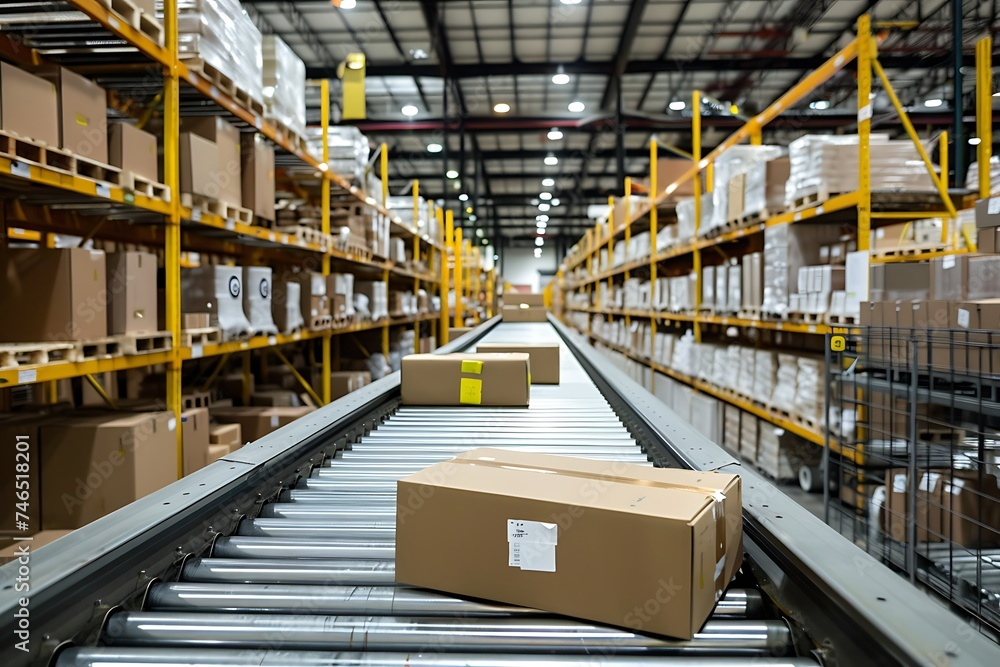
A customer sees a product.
A retailer sees a relationship.
That difference explains much of what happens behind the scenes in modern retail.
A shopper picking up a pair of shoes, opening a new device, or placing an online order rarely thinks about the network of suppliers responsible for making that purchase possible. They do not see the negotiations, quality checks, production schedules, compliance reviews, and constant conversations required to move an idea from a supplier’s factory to a customer’s hands.
But retailers do.
Behind every successful product launch is a carefully managed supplier relationship. Behind every empty shelf or delayed delivery is often a breakdown somewhere in that relationship.
Supplier management is one of retail’s most complex balancing acts. Retailers must negotiate favorable prices without damaging partnerships. They must demand quality without creating unrealistic expectations. They must reduce costs while building resilience.
The relationship is neither purely transactional nor entirely collaborative.
It is strategic.
I learned this lesson while observing a retailer work through a supplier challenge involving a fast-selling product. The supplier was reliable, the relationship was strong, and communication was frequent. Yet demand increased faster than anyone expected. The retailer had to decide whether to pressure the supplier for immediate production increases or work together on a longer-term solution. The outcome revealed something important: the strongest supplier relationships are not built during easy periods. They are tested when conditions become uncertain.
Retailers do not manage suppliers simply to get products.
They manage suppliers to create consistency, flexibility, and trust.
The Foundation of Supplier Management
Retail supplier management is the process of selecting, developing, evaluating, and maintaining relationships with companies that provide products, materials, or services.
For a retailer, suppliers are not just vendors.
They are extensions of the business.
A supplier’s decisions can influence:
- Product quality
- Pricing
- Inventory availability
- Customer satisfaction
- Brand reputation
- Profitability
A retailer may have an excellent marketing strategy and a strong customer base, but if suppliers cannot deliver the right products at the right time, the entire system weakens.
Supplier management begins long before a purchase order is created.
It starts with choosing the right partners.
Selecting the Right Suppliers
The first decision retailers make is often the most important:
Who should they work with?
Supplier selection involves evaluating more than price.
Retailers typically consider:
- Manufacturing capability
- Quality standards
- Delivery reliability
- Financial stability
- Ethical practices
- Production capacity
- Innovation ability
A supplier offering the lowest price may not always create the best value.
A cheaper supplier that consistently delivers late or produces inconsistent quality can create costs that are difficult to measure immediately.
The true cost of a supplier relationship includes more than the invoice.
It includes reliability.
Negotiating Supplier Agreements
Negotiation is one of the most visible parts of supplier management, but it is often misunderstood.
Retailers negotiate for:
- Product pricing
- Payment terms
- Delivery schedules
- Minimum order quantities
- Return policies
- Quality requirements
However, effective negotiations are not simply about winning better terms.
They are about creating agreements that both sides can maintain.
A retailer that pushes suppliers too aggressively may achieve short-term savings while weakening long-term cooperation.
A supplier relationship is a repeated interaction, not a single transaction.
The best agreements account for both current needs and future challenges.
How Retailers Evaluate Suppliers
Retailers use performance measurements to understand whether suppliers are meeting expectations.
Common supplier evaluation factors include:
- On-time delivery rates
- Product defect rates
- Cost consistency
- Communication speed
- Compliance performance
- Response to problems
These measurements help retailers identify strong partners and address weaknesses before they affect customers.
A supplier evaluation system transforms opinions into decisions.
Instead of asking, “Do we like working with this supplier?” retailers ask, “How effectively does this supplier support our goals?”
Supplier Management Comparison Table
| Supplier Relationship Approach | Main Focus | Advantages | Potential Challenges | Best Fit For |
|---|---|---|---|---|
| Transactional Supplier Management | Price and individual purchases | Simple and cost-focused | Limited collaboration and flexibility | Commodity products |
| Strategic Partnership Model | Long-term cooperation | Better innovation and problem-solving | Requires trust and investment | Key product categories |
| Multi-Supplier Strategy | Multiple sources for the same product | Reduces dependency risk | More complex coordination | High-demand or critical products |
| Exclusive Supplier Relationship | Deep collaboration with one supplier | Strong alignment and efficiency | Higher dependency risk | Specialized products |
| Global Supplier Network | International sourcing advantages | Lower costs and broader capabilities | Logistics and compliance challenges | Large-scale retailers |
The best retailers rarely rely on a single approach.
They match supplier strategy with business needs.
Managing Quality Without Losing Speed
Retailers face a constant tension:
Move quickly or maintain control?
Fast product launches can create competitive advantages, but speed can increase quality risks.
Supplier management requires clear expectations around:
- Product specifications
- Testing procedures
- Manufacturing standards
- Inspection processes
Quality problems are expensive because they travel.
A defective product does not remain a supplier issue. It becomes a retailer issue once customers associate that product with the brand.
The retailer is the visible name.
The customer rarely knows which supplier produced the item.
The Role of Communication
Strong supplier relationships depend on information sharing.
Retailers and suppliers communicate about:
- Forecast changes
- Production schedules
- Inventory needs
- Potential disruptions
- Customer trends
Poor communication creates surprises.
Good communication creates preparation.
This becomes especially important when demand changes unexpectedly. A retailer that shares information early gives suppliers more opportunity to adjust.
The relationship becomes less reactive and more coordinated.
Managing Risk in Supplier Networks
Retailers operate in environments filled with uncertainty.
Supplier risks can include:
- Raw material shortages
- Transportation delays
- Regulatory changes
- Economic instability
- Production interruptions
To manage these risks, retailers often:
- Diversify suppliers
- Maintain backup options
- Monitor supplier health
- Increase supply chain visibility
- Build contingency plans
The goal is not to remove all risk.
That is impossible.
The goal is to avoid being surprised by predictable problems.
Technology and Supplier Relationships
Technology has transformed how retailers manage suppliers.
Modern platforms allow companies to track:
- Orders
- Inventory levels
- Supplier performance
- Delivery schedules
- Compliance information
Data creates visibility.
But visibility alone does not create better relationships.
A dashboard can show that a supplier is late. It cannot repair the partnership that caused the delay.
Technology provides information.
Management provides judgment.
The Growing Importance of Ethical Suppliers
Supplier management increasingly involves questions beyond cost and delivery.
Retailers are paying closer attention to:
- Labor practices
- Environmental impact
- Material sourcing
- Manufacturing transparency
Consumers increasingly connect retailer reputation with supplier behavior.
A retailer cannot separate itself completely from the practices of the companies producing its products.
Supplier responsibility has become part of brand responsibility.
Why Supplier Relationships Become Competitive Advantages
Two retailers may sell similar products.
One succeeds because its supplier network responds faster.
That difference can determine who wins.
Strong supplier relationships can create:
- Faster product launches
- Better inventory availability
- More consistent quality
- Greater innovation
- Improved problem-solving
The advantage is not always visible to customers.
But customers experience the results.
They find products available.
They receive reliable service.
They trust the brand.
The Future of Retail Supplier Management
Retailers are moving toward supplier relationships built on greater collaboration.
The traditional model of simply negotiating lower prices is becoming less effective in complex markets.
Future supplier management will emphasize:
- Shared data
- Faster communication
- Flexible production
- Sustainability
- Risk planning
The retailer of the future will not simply ask suppliers to deliver products.
It will build systems where suppliers and retailers solve problems together.
Conclusion: The Retail Relationship Customers Never See
Every product has a story before it reaches the shelf.
Part of that story belongs to the supplier.
Retailers succeed when they recognize that suppliers are not just sources of inventory. They are strategic partners responsible for turning plans into reality.
The strongest relationships are not created through contracts alone.
They are created through reliability, communication, and shared expectations.
A retailer can design the perfect product. It can create the perfect marketing campaign. It can understand customers better than anyone else.
But if its supplier relationships fail, the customer will eventually notice.
The shelf tells the final story.
The supplier relationship writes the first chapter.
- Arts
- Business
- Computers
- الألعاب
- Health
- الرئيسية
- Kids and Teens
- مال
- News
- Personal Development
- Recreation
- Regional
- Reference
- Science
- Shopping
- Society
- Sports
- Бизнес
- Деньги
- Дом
- Досуг
- Здоровье
- Игры
- Искусство
- Источники информации
- Компьютеры
- Личное развитие
- Наука
- Новости и СМИ
- Общество
- Покупки
- Спорт
- Страны и регионы
- World

 English
 Russian
 French
 Spanish
 Portuguese
 Deutsch
 Turkish
 Dutch
Dutch
 Italiano
 Romaian
 Portuguese (Brazil)
 Greek
Greek
