
What lessons can be learned from past inflation?
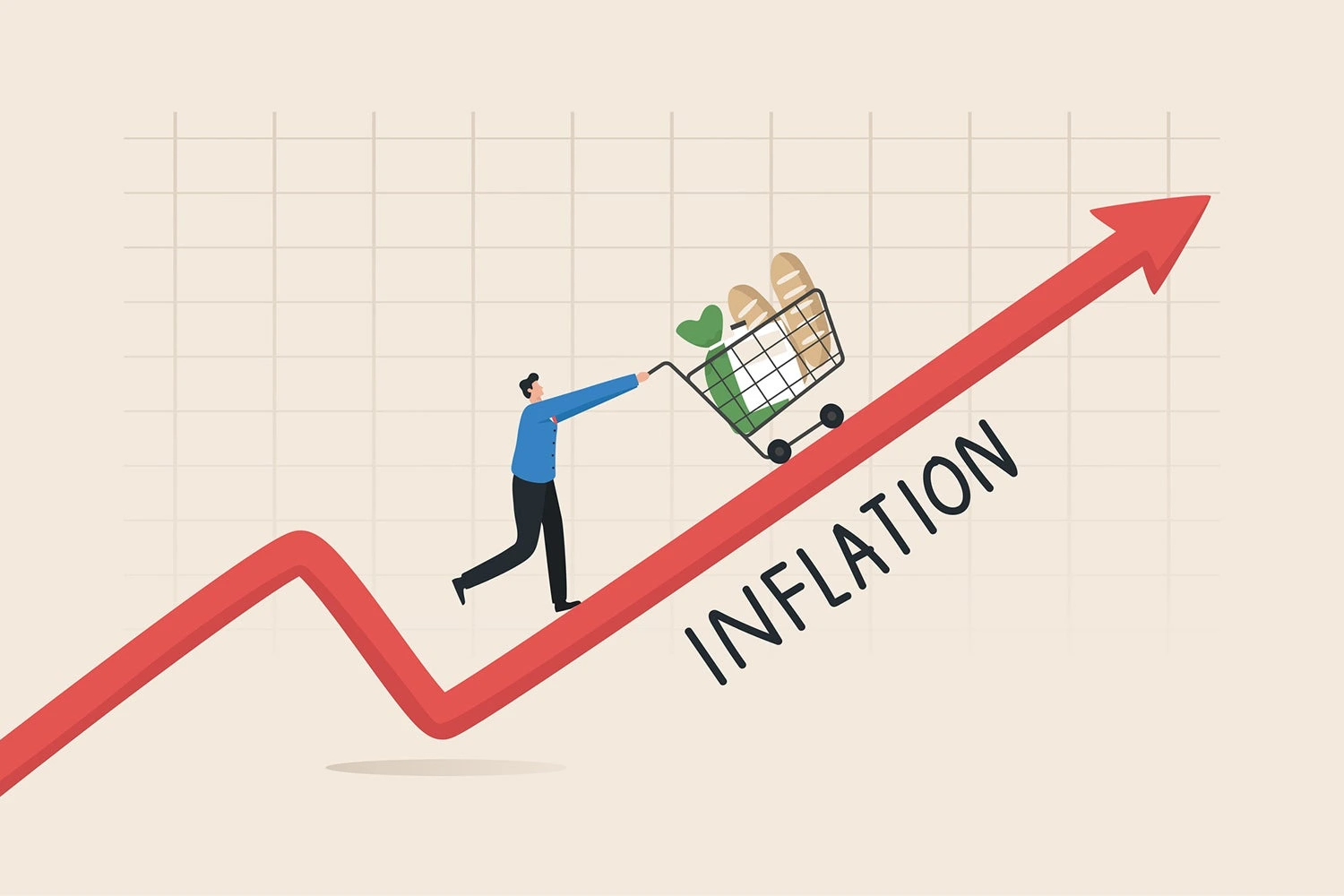
What Lessons Can Be Learned from Past Inflation?
Inflation has shaped economies, influenced governments, affected households, and changed the way people think about money throughout history. From the hyperinflation crises of Germany and Zimbabwe to the high inflation of the 1970s and the global inflation surge after the COVID-19 pandemic, each episode provides important lessons about how economies work and how inflation can be managed.
While inflation itself is a normal part of economic activity, periods of rapid or uncontrolled price increases can create serious economic and social problems. Studying past inflation helps policymakers, businesses, and individuals understand the risks and develop better strategies for the future.
1. Excessive Money Growth Can Damage an Economy
One of the most important lessons from history is that rapidly increasing the money supply without matching economic growth can lead to severe inflation.
The most famous example is Germany’s hyperinflation in the early 1920s. After World War I, the German government printed large amounts of money to pay debts and cover expenses. As confidence in the currency collapsed, prices rose at extraordinary rates. People needed wheelbarrows of banknotes to buy basic goods, and savings lost much of their value.
A similar pattern occurred in Zimbabwe in the late 2000s. The government expanded the money supply to finance large budget deficits while the economy’s ability to produce goods and services declined. The result was one of the worst cases of hyperinflation in modern history.
The lesson is not that increasing the money supply always causes inflation. During economic crises, central banks may need to expand money supply to support the economy. However, history shows that money creation must be managed carefully and supported by economic growth and public confidence.
2. Maintaining Trust in Currency Is Essential
Money depends heavily on trust. A currency has value because people believe it will continue to function as a reliable way to exchange goods and store wealth.
When governments lose credibility, inflation can accelerate. If households and businesses expect prices to keep rising, they may spend money quickly rather than hold it. Workers demand higher wages, companies raise prices to protect profits, and inflation can become self-reinforcing.
Historical inflation crises demonstrate that restoring confidence is often as important as controlling prices. Governments and central banks must communicate clearly, maintain responsible policies, and show commitment to price stability.
3. Inflation Expectations Matter
Past inflation episodes reveal that expectations can influence future inflation. If people believe inflation will remain high, their behavior can contribute to continued price increases.
For example, during the inflation of the 1970s, many countries experienced a cycle of rising wages and prices. Workers sought higher wages because they expected living costs to increase, while businesses raised prices to cover higher labor and production expenses. This created a difficult environment where inflation became deeply embedded in the economy.
Central banks learned that controlling inflation requires managing expectations. Clear monetary policy, credible targets, and decisive action can help prevent temporary inflation from becoming a long-term problem.
4. Supply Problems Can Trigger Major Price Increases
Inflation is not always caused by excessive demand or money growth. History shows that disruptions to production and supply can also create inflation.
The oil shocks of the 1970s are a major example. When oil-producing countries reduced oil supplies, energy prices surged. Because oil is used in transportation, manufacturing, and agriculture, higher energy costs spread throughout the economy.
More recently, global supply chain disruptions after the COVID-19 pandemic contributed to higher prices for goods, energy, and food. Shortages of materials, transportation delays, and increased demand as economies reopened all played a role.
The lesson is that inflation can have multiple causes. Effective responses require understanding whether inflation comes from excessive demand, supply constraints, monetary factors, or a combination of these issues.
5. Early Action Can Prevent Bigger Problems
Another major lesson from history is that delaying action can make inflation harder to control.
When inflation begins to rise, policymakers often face difficult choices. Raising interest rates can slow economic growth and increase borrowing costs, but failing to act may allow inflation to become more persistent.
In the early 1980s, the U.S. Federal Reserve under Chairman Paul Volcker raised interest rates significantly to fight high inflation. The policy contributed to a recession but eventually helped reduce inflation and restore confidence in the economy.
The experience showed that controlling inflation may involve short-term economic pain but can create long-term stability.
6. Inflation Affects People Unequally
Historical inflation episodes also demonstrate that inflation does not impact everyone in the same way.
People with fixed incomes, such as retirees receiving unchanged payments, may struggle when prices rise. Low-income households are often affected more because they spend a larger share of their income on necessities like food, housing, and energy.
On the other hand, some borrowers may benefit because inflation reduces the real value of fixed-rate debt. Asset owners may also see gains if prices of property or certain investments rise.
The lesson is that inflation is not just an economic statistic. It affects people’s living standards, savings, wages, and financial decisions in different ways.
7. Strong Institutions Help Control Inflation
Countries with independent central banks, reliable financial systems, and responsible fiscal policies are generally better able to manage inflation.
A central bank that can make decisions based on economic conditions rather than political pressure is more likely to maintain stable prices. Similarly, governments that manage budgets responsibly reduce the risk of inflation caused by excessive borrowing or uncontrolled spending.
Past inflation crises show that institutions matter. Economic stability depends not only on individual policies but also on the strength and credibility of the systems behind them.
8. Diversification Helps Protect Wealth
For individuals, history provides lessons about managing personal finances during inflation.
Periods of high inflation show the dangers of holding all wealth in cash, since inflation reduces purchasing power over time. People may consider diversifying their assets through a combination of investments, savings, and inflation-resistant assets depending on their goals and risk tolerance.
However, no asset provides perfect protection in every inflationary environment. Gold, stocks, real estate, and inflation-linked bonds have performed differently depending on the specific circumstances.
The key lesson is that long-term financial planning should account for the possibility of changing economic conditions.
9. Price Stability Supports Economic Growth
Perhaps the biggest lesson from history is that stable prices create a healthier environment for economic growth.
High inflation makes planning difficult. Businesses may struggle to set prices, invest, or predict future costs. Consumers may find it harder to save or make major purchases. Governments may face higher borrowing costs.
Moderate and predictable inflation allows businesses and households to make decisions with greater confidence. This stability supports investment, productivity, and economic development.
Conclusion
Past inflation episodes provide valuable lessons about the importance of responsible economic management, strong institutions, and public confidence. History shows that inflation can arise from many sources, including excessive money growth, supply disruptions, government policies, and changes in expectations.
The experiences of Germany, Zimbabwe, the 1970s inflation crisis, and recent global price increases demonstrate that inflation can become difficult to control once it becomes deeply established. However, they also show that effective policies, credible institutions, and timely action can restore stability.
For individuals, businesses, and governments, the central lesson is clear: inflation must be monitored carefully and addressed before it becomes a larger economic threat. Understanding the past helps societies prepare for future challenges and protect economic stability.
- Arts
- Business
- Computers
- Jeux
- Health
- Domicile
- Kids and Teens
- Argent
- News
- Personal Development
- Recreation
- Regional
- Reference
- Science
- Shopping
- Society
- Sports
- Бизнес
- Деньги
- Дом
- Досуг
- Здоровье
- Игры
- Искусство
- Источники информации
- Компьютеры
- Личное развитие
- Наука
- Новости и СМИ
- Общество
- Покупки
- Спорт
- Страны и регионы
- World

 English
 Russian
 Spanish
 Portuguese
 Deutsch
 Turkish
 Dutch
Dutch
 Italiano
 Arabic
 Romaian
 Portuguese (Brazil)
 Greek
Greek
