
Which countries have the highest inflation?
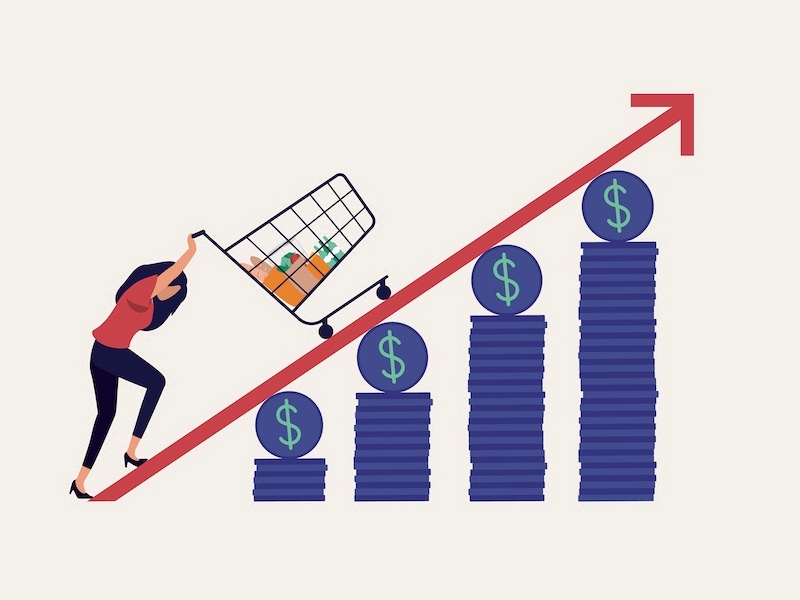
Which Countries Have the Highest Inflation?
Inflation affects every economy, but its impact varies significantly from one country to another. While many nations experience moderate price increases each year, some face extremely high inflation rates that can disrupt daily life, weaken currencies, reduce purchasing power, and create economic instability. Countries with the highest inflation often struggle with issues such as currency depreciation, supply shortages, government debt, political instability, or weak monetary policies.
The countries experiencing the highest inflation rates can change over time, as economic conditions shift. However, nations facing severe economic crises, conflicts, or structural problems frequently appear among the world’s highest-inflation economies.
Understanding High Inflation
Inflation measures the rate at which the general price level of goods and services increases over time. A small amount of inflation is considered normal and can indicate a growing economy. Many central banks aim for a low and stable inflation rate, often around 2% annually.
High inflation occurs when prices rise much faster than expected. When inflation reaches double digits or higher, households may struggle to afford basic necessities such as food, housing, and transportation. Businesses may find it difficult to plan investments because costs become unpredictable.
Extreme inflation can lead to hyperinflation, a situation where prices rise at an exceptionally rapid pace, sometimes by hundreds or thousands of percent annually. Hyperinflation can destroy savings, reduce confidence in the national currency, and make normal economic activity difficult.
Countries with Some of the Highest Inflation Rates
The countries with the highest inflation rates often include economies experiencing severe financial challenges. Although rankings change frequently, several nations have consistently faced extremely high inflation in recent years.
Argentina
Argentina has experienced persistent inflation problems for many years. The country has faced repeated economic crises, high government spending, currency depreciation, and large fiscal deficits.
Inflation in Argentina has been driven by several factors:
-
Frequent currency devaluations
-
Large government budget deficits
-
Heavy reliance on monetary financing
-
Loss of public confidence in the national currency
-
Rising production and import costs
For Argentine households, high inflation has affected food prices, rent, transportation, and everyday expenses. Many citizens attempt to protect their savings by investing in foreign currencies, real estate, or other assets that may preserve value better than cash.
Argentina’s government has introduced various economic reforms over time to control inflation, but reducing inflation has remained a major challenge because it requires addressing deeper fiscal and monetary issues.
Venezuela
Venezuela is one of the most well-known examples of extreme inflation in modern history. The country experienced a period of hyperinflation beginning in the 2010s, causing a dramatic decline in the value of its currency.
Several factors contributed to Venezuela’s inflation crisis:
-
A collapse in oil revenues
-
Government budget deficits
-
Excessive money creation
-
Economic mismanagement
-
Declining domestic production
-
Political instability
At the height of the crisis, prices increased so quickly that consumers struggled to use money effectively. The government introduced currency reforms and economic adjustments to stabilize the situation, and inflation has declined from its peak, but price pressures remain a major concern.
Zimbabwe
Zimbabwe has a long history of severe inflation. In the late 2000s, the country experienced one of the worst cases of hyperinflation ever recorded, with prices doubling within extremely short periods.
The crisis was caused by:
-
Excessive money printing
-
Declining agricultural production
-
Government debt problems
-
Loss of investor confidence
-
Economic disruptions
During the peak of Zimbabwe’s hyperinflation, the national currency became nearly worthless, and the country eventually adopted foreign currencies for everyday transactions.
Although Zimbabwe has introduced new currencies and monetary reforms, inflation challenges have continued at various points due to currency instability and economic pressures.
Turkey
Turkey has experienced high inflation in recent years, although it is not typically classified among countries with hyperinflation. Inflation has been driven by factors including currency depreciation, rising energy costs, and monetary policy challenges.
Key causes include:
-
A weakening Turkish lira
-
Higher import costs
-
Rising wages and production expenses
-
Changes in interest-rate policy
High inflation has increased the cost of living for Turkish households. Food, housing, and transportation prices have risen significantly, creating pressure on consumers and businesses.
The Turkish government and central bank have taken measures to reduce inflation, including changes in monetary policy, but restoring price stability can take time.
Sudan
Sudan has experienced very high inflation due to economic instability, political conflict, currency weakness, and supply disruptions.
Factors contributing to inflation include:
-
Political uncertainty
-
Conflict-related economic damage
-
Reduced production
-
Currency depreciation
-
Rising import costs
High inflation has made essential goods more expensive and placed significant pressure on households. Economic recovery remains difficult when instability affects investment, trade, and government finances.
Other Countries Facing High Inflation
Several other countries have experienced elevated inflation rates due to economic crises or external shocks. These may include:
Iran
Iran has faced persistent inflation due to factors such as international sanctions, currency depreciation, and challenges in accessing global markets. Higher import costs and reduced economic opportunities have contributed to rising prices.
Lebanon
Lebanon experienced a severe economic crisis that caused rapid currency depreciation and extremely high inflation. Banking system problems, government debt, and political instability contributed to the decline in purchasing power.
Syria
Syria’s inflation has been influenced by years of conflict, damaged infrastructure, reduced economic activity, and currency weakness. The cost of basic goods has increased significantly for many citizens.
Nigeria
Nigeria has experienced high inflation due to factors including currency reforms, fuel price changes, supply disruptions, and rising food costs. As Africa’s largest economy, Nigeria’s inflation trends have important regional effects.
Why Do Some Countries Experience Higher Inflation Than Others?
Inflation levels depend on many economic factors. Countries with the highest inflation often share several common problems.
Weak Currencies
When a country’s currency loses value, imported goods become more expensive. This is especially damaging for countries that rely heavily on imports for food, fuel, or manufactured products.
Excessive Money Supply Growth
If governments or central banks create too much money without corresponding economic growth, the value of money can decline. More currency chasing the same amount of goods often leads to higher prices.
Government Debt and Budget Deficits
Large government deficits can contribute to inflation if governments borrow heavily or finance spending by increasing the money supply.
Supply Shortages
Inflation can rise when goods become scarce. Wars, natural disasters, pandemics, and trade disruptions can reduce supply and push prices higher.
Political Instability
Countries facing political uncertainty often experience lower investment, weaker currencies, and disruptions to production, all of which can increase inflation.
How High Inflation Affects People
High inflation affects nearly every part of daily life.
Reduced Purchasing Power
The biggest impact is that money buys fewer goods and services. A salary that once covered household expenses may no longer be sufficient.
Higher Food and Energy Costs
Food and fuel prices often rise quickly during inflationary periods. Since these are essential goods, low-income households are usually affected the most.
Loss of Savings Value
People holding savings in a rapidly weakening currency may lose much of their wealth. This encourages people to seek alternative assets, such as foreign currencies or inflation-resistant investments.
Business Challenges
Companies face higher costs for materials, wages, and transportation. Some businesses may raise prices, reduce production, or delay investments.
Can Countries Reduce High Inflation?
Reducing inflation is possible, but it often requires difficult economic adjustments. Governments and central banks may use several strategies:
-
Raising interest rates to slow spending
-
Reducing excessive government deficits
-
Stabilizing the currency
-
Improving economic productivity
-
Increasing confidence in financial institutions
-
Addressing supply problems
However, lowering inflation can take years, especially when a country is dealing with deep economic or political problems.
Conclusion
Countries with the highest inflation rates often face a combination of economic weaknesses, currency problems, political instability, and supply challenges. Nations such as Argentina, Venezuela, Zimbabwe, Sudan, and others have experienced severe inflation due to different combinations of these factors.
High inflation is more than just rising prices—it affects savings, wages, businesses, and overall economic stability. While governments can take measures to control inflation, restoring confidence and achieving stable prices often requires long-term reforms and careful economic management. For citizens living in high-inflation economies, protecting purchasing power and maintaining financial stability become major everyday concerns.
- Arts
- Business
- Computers
- الألعاب
- Health
- الرئيسية
- Kids and Teens
- مال
- News
- Personal Development
- Recreation
- Regional
- Reference
- Science
- Shopping
- Society
- Sports
- Бизнес
- Деньги
- Дом
- Досуг
- Здоровье
- Игры
- Искусство
- Источники информации
- Компьютеры
- Личное развитие
- Наука
- Новости и СМИ
- Общество
- Покупки
- Спорт
- Страны и регионы
- World

 English
 Russian
 French
 Spanish
 Portuguese
 Deutsch
 Turkish
 Dutch
Dutch
 Italiano
 Romaian
 Portuguese (Brazil)
 Greek
Greek