
What is the current inflation rate?
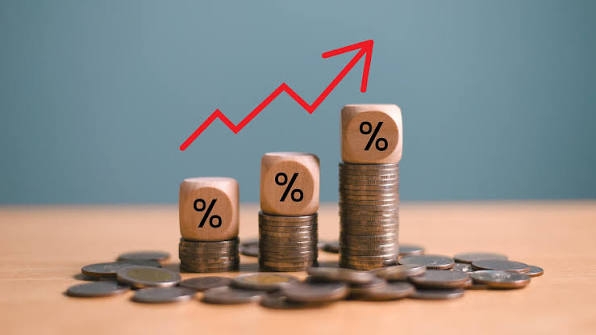
What Is the Current Inflation Rate?
Inflation is one of the most closely watched economic indicators because it affects the cost of living, business decisions, interest rates, and investment returns. The current inflation rate refers to the percentage increase in the prices of goods and services over a specific period, usually measured over one year. However, the exact inflation rate depends on the country, the measurement method, and the time period being analyzed.
As of 2026, inflation rates around the world have generally declined from the unusually high levels seen after the COVID-19 pandemic, but many economies continue to experience price increases above their long-term targets.
Understanding the Inflation Rate
The inflation rate measures how much prices have risen compared with a previous period. Governments and financial institutions typically calculate inflation using a consumer price index (CPI), which tracks changes in the prices of a basket of commonly purchased goods and services, including:
-
Food and beverages
-
Housing costs
-
Transportation
-
Healthcare
-
Energy
-
Clothing
-
Entertainment
-
Other household expenses
For example, if the inflation rate is 3%, goods and services that cost $100 on average a year ago would now cost about $103.
Inflation does not mean that every price rises by the same amount. Some products may become cheaper, while others may experience significant price increases. The inflation rate represents the average change across the entire economy.
Current Global Inflation Trends
After reaching multi-decade highs in many countries during 2021–2023, global inflation has gradually cooled. Supply chain disruptions have eased, energy prices have stabilized compared with their pandemic-era peaks, and central banks have raised interest rates to slow demand.
However, inflation remains a challenge because:
-
Some service prices continue rising quickly.
-
Housing costs remain elevated in many regions.
-
Wage growth can keep upward pressure on prices.
-
Geopolitical conflicts and trade disruptions can affect energy and food markets.
Many central banks continue monitoring inflation closely because lowering inflation too quickly can weaken economic growth, while allowing inflation to remain high can reduce purchasing power.
Inflation Rate in the United States
In the United States, inflation is primarily measured through the Consumer Price Index (CPI) and the Personal Consumption Expenditures (PCE) price index.
The U.S. inflation rate has declined significantly from its peak of around 9% in 2022. By 2025–2026, inflation has moved closer to the Federal Reserve’s long-term target of approximately 2%, although progress has been uneven.
Key factors influencing U.S. inflation include:
-
Housing costs: Rent and housing-related expenses have remained major contributors.
-
Services inflation: Costs for insurance, healthcare, travel, and other services have continued increasing.
-
Food prices: Food inflation has slowed but prices remain higher than before the pandemic.
-
Energy prices: Oil and gasoline prices can cause short-term changes in inflation.
The Federal Reserve uses interest rates as its main tool for controlling inflation. Higher interest rates make borrowing more expensive, reducing spending and investment, which can help slow price increases.
Inflation Rates in Other Major Economies
Inflation conditions differ significantly between countries.
Europe
Many European countries experienced high inflation due to energy supply problems following Russia’s invasion of Ukraine. Inflation has since fallen as energy markets adjusted and monetary policy tightened.
The European Central Bank has focused on bringing inflation closer to its target while supporting economic activity.
United Kingdom
The United Kingdom also experienced strong inflation pressures, particularly from energy, food, and housing costs. Although inflation has declined from previous highs, prices remain significantly higher than several years ago.
Emerging Markets
Some emerging economies continue to face higher inflation due to:
-
Currency depreciation
-
Imported energy costs
-
Food price volatility
-
Government budget pressures
Countries with weaker currencies may experience faster inflation because imported goods become more expensive.
Why Inflation Remains Important
Even when inflation slows, consumers may still feel financial pressure because prices usually do not return to previous levels. A lower inflation rate means prices are increasing more slowly, not that prices are falling.
For example:
-
If inflation was 8% one year and falls to 3% the next year, prices are still higher than they were before.
-
A family that spent $1,000 per month before a period of inflation may need significantly more money to maintain the same lifestyle.
This is why inflation affects household budgets, wages, savings, and investment decisions.
Factors That Influence the Current Inflation Rate
Several forces determine whether inflation rises or falls.
1. Supply and Demand
When demand for goods and services grows faster than supply, businesses may raise prices. This happened during the pandemic recovery when consumers increased spending while supply chains struggled to keep up.
2. Energy Prices
Oil and natural gas prices influence transportation costs, manufacturing expenses, and household energy bills. Rising energy prices often increase costs throughout the economy.
3. Labor Costs
When wages increase significantly, businesses may raise prices to cover higher expenses. However, stronger wages can also help consumers manage higher prices.
4. Interest Rates
Central banks raise interest rates to reduce borrowing and spending. This can slow economic activity and reduce inflation pressure.
5. Government Policies
Government spending, taxation, and trade policies can influence inflation by affecting demand, production costs, and currency values.
How Inflation Affects Consumers
The current inflation rate directly affects everyday life.
Reduced Purchasing Power
When prices rise faster than income, consumers can buy fewer goods and services with the same amount of money.
Higher Borrowing Costs
Central banks often increase interest rates during inflationary periods, making mortgages, car loans, and credit card borrowing more expensive.
Changes in Spending Habits
Consumers may respond by:
-
Buying cheaper alternatives
-
Reducing unnecessary spending
-
Delaying major purchases
-
Searching for discounts
How Businesses Respond to Inflation
Companies must adjust strategies when inflation changes. Common responses include:
-
Increasing prices
-
Reducing costs
-
Improving efficiency
-
Negotiating better supplier agreements
-
Adjusting product sizes or features
Businesses that cannot manage rising costs may experience lower profits, while companies with strong pricing power may maintain or increase profitability.
What Does the Future Inflation Outlook Look Like?
Economists generally expect inflation to continue moving toward more stable levels, but uncertainty remains. Future inflation could be influenced by:
-
Global energy markets
-
Interest rate decisions
-
Labor market conditions
-
International conflicts
-
Supply chain disruptions
-
Consumer demand
Central banks aim to achieve price stability without causing unnecessary economic damage. The challenge is finding the right balance between controlling inflation and supporting economic growth.
Conclusion
The current inflation rate varies by country, but globally inflation has generally decreased from the unusually high levels experienced after the pandemic. In many advanced economies, inflation is moving closer to central bank targets, although certain areas—especially housing and services—continue to experience price pressures.
Understanding the inflation rate is important because it affects purchasing power, savings, investments, business costs, and government policies. While lower inflation is usually a positive sign, consumers and businesses must continue adapting to the higher price levels created during recent inflationary periods.
- Arts
- Business
- Computers
- Giochi
- Health
- Home
- Kids and Teens
- Money
- News
- Personal Development
- Recreation
- Regional
- Reference
- Science
- Shopping
- Society
- Sports
- Бизнес
- Деньги
- Дом
- Досуг
- Здоровье
- Игры
- Искусство
- Источники информации
- Компьютеры
- Личное развитие
- Наука
- Новости и СМИ
- Общество
- Покупки
- Спорт
- Страны и регионы
- World

 English
 Russian
 French
 Spanish
 Portuguese
 Deutsch
 Turkish
 Dutch
Dutch
 Arabic
 Romaian
 Portuguese (Brazil)
 Greek
Greek
