
What industries benefit from inflation?
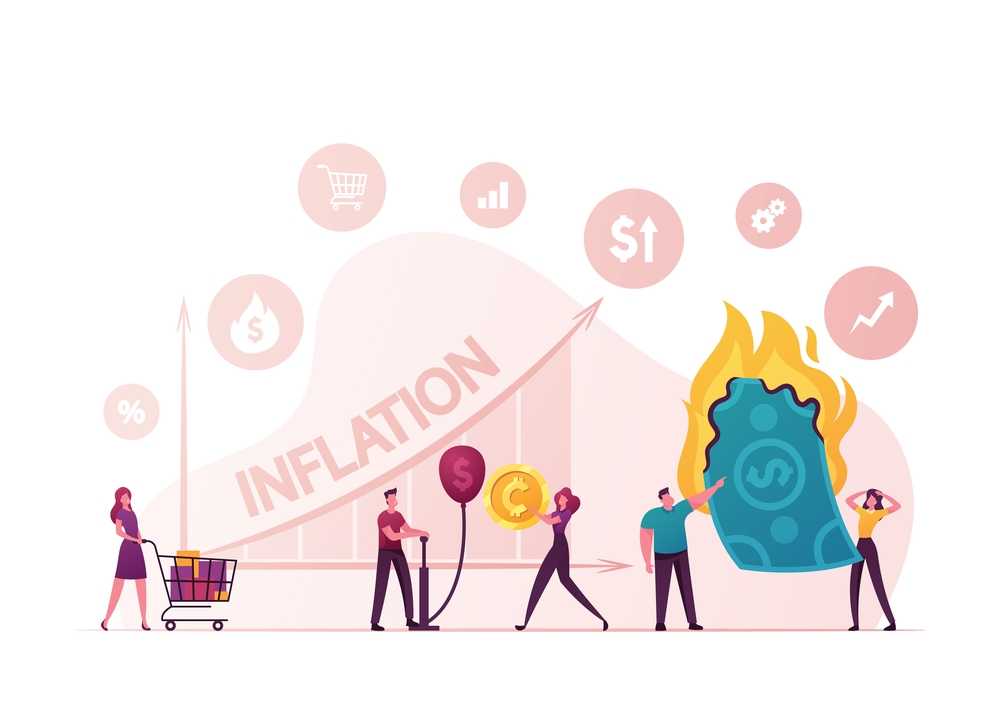
What Industries Benefit from Inflation?
Inflation is often viewed as a negative economic force because it reduces purchasing power, increases costs, and creates uncertainty for consumers and businesses. However, inflation does not affect all industries equally. While many sectors struggle with rising expenses, some industries can benefit from higher prices, stronger demand, or increased asset values.
The industries that benefit most from inflation are usually those with pricing power, ownership of real assets, or the ability to adjust their revenues faster than their costs. These businesses may experience higher profits when inflation rises, especially during periods of moderate and predictable inflation.
1. Energy Industry
The energy sector is one of the industries that can benefit significantly from inflation. Oil, natural gas, and electricity prices often rise during inflationary periods because energy is a critical input for transportation, manufacturing, and daily life.
Energy companies that produce commodities such as crude oil and natural gas may see increased revenues when market prices rise. Since these companies often own valuable reserves and infrastructure, higher energy prices can translate into stronger profits.
For example, oil producers may benefit when crude oil prices increase because their production costs do not always rise at the same pace as selling prices. Similarly, utility companies may be able to adjust electricity and gas prices to reflect higher operating costs, depending on regulatory conditions.
However, the benefit is not universal. Energy companies that rely heavily on purchasing fuel or face government price controls may experience greater pressure from inflation.
2. Real Estate Industry
Real estate is often considered one of the most inflation-resistant industries because property values and rental income can rise along with prices.
During inflationary periods, the cost of building new properties increases due to higher prices for materials, labor, and land. This can raise the value of existing properties because replacement costs become more expensive.
Property owners may also benefit from increasing rents. As the general price level rises, landlords can often adjust rental rates, especially in markets with strong demand. Commercial real estate, including office buildings, warehouses, and retail spaces, may also experience higher lease revenues.
Real estate investors can benefit because property is a tangible asset that may preserve value better than cash during inflation. However, rising interest rates—often used by central banks to fight inflation—can make mortgages more expensive and reduce demand for property.
3. Commodity Producers
Companies involved in producing raw materials often benefit from inflation because commodity prices tend to rise when the cost of goods increases.
Industries such as:
-
Mining
-
Agriculture
-
Metals production
-
Timber
-
Chemicals
may experience higher revenues as prices for essential resources increase.
For example, producers of copper, iron ore, wheat, and other commodities may see stronger earnings when demand remains high and supply is limited. Since many commodities are priced globally, inflation can increase the market value of resources that these companies sell.
Agricultural businesses can also benefit when food prices rise. Farmers and agricultural companies may earn higher revenues from crops, livestock, and related products. However, they may also face higher costs for fuel, fertilizer, equipment, and labor.
4. Consumer Staples Industry
Companies that sell essential goods can sometimes benefit from inflation because consumers continue purchasing their products even when prices rise.
Consumer staples include:
-
Food and beverages
-
Household products
-
Personal care items
-
Cleaning supplies
Businesses in this sector often have strong brand recognition and pricing power. They can increase prices to offset higher production costs while maintaining customer demand.
Large companies with efficient supply chains may be particularly well-positioned because they can manage rising costs better than smaller competitors. If a company successfully raises prices without losing many customers, inflation can increase its revenue and profitability.
However, consumer staples companies must be careful. Excessive price increases may cause consumers to switch to cheaper alternatives or reduce spending.
5. Financial Services Industry
Certain parts of the financial sector can benefit from inflation, especially when interest rates rise in response to increasing prices.
Banks and lenders may earn more from higher interest rates because they can charge more for loans. When borrowing costs increase, the difference between the interest banks receive from loans and the interest they pay on deposits may expand.
Insurance companies may also benefit because premiums can increase over time to reflect higher costs. For example, property insurance companies may raise premiums as the cost of rebuilding homes and repairing damage increases.
However, inflation can create challenges for financial institutions as well. Higher inflation may increase loan defaults if consumers and businesses struggle with rising expenses.
6. Luxury Goods Industry
The luxury goods industry can sometimes perform well during inflation because wealthy consumers are less affected by rising prices.
Luxury brands often have significant pricing power because customers buy their products for quality, status, exclusivity, and brand reputation rather than simply price. This allows companies to increase prices while maintaining demand among their target customers.
Luxury sectors that may benefit include:
-
Designer fashion
-
High-end jewelry
-
Premium automobiles
-
Luxury travel
During certain inflationary periods, wealthy investors may also purchase luxury goods as stores of value, such as collectibles, rare watches, and fine art.
However, luxury companies can still suffer if inflation leads to broader economic uncertainty or reduced consumer confidence.
7. Technology Companies with Strong Market Positions
Technology is a mixed sector during inflation, but some technology companies can benefit.
Companies with highly valuable products, subscription models, or dominant market positions may be able to raise prices without losing customers. Software companies, for example, often have recurring revenue streams that can be adjusted over time.
Businesses providing essential digital services may continue growing because companies rely on technology to improve efficiency and reduce costs during inflationary periods.
On the other hand, technology companies that depend heavily on expensive financing or consumer spending may struggle when interest rates rise.
8. Healthcare Industry
Healthcare is another sector that can show resilience during inflation because demand for medical services remains relatively stable.
Hospitals, pharmaceutical companies, medical device manufacturers, and healthcare service providers may have some ability to increase prices due to the essential nature of their products and services.
Drug manufacturers with strong brands and unique treatments often have pricing power. Healthcare companies may also benefit from long-term demographic trends, such as aging populations and increased demand for medical care.
However, healthcare businesses can face inflation-related challenges, including higher labor costs, supply expenses, and regulatory limits on pricing.
9. Infrastructure and Construction
Infrastructure and construction companies may benefit from inflation because the value of physical assets and construction projects often rises.
Companies involved in:
-
Engineering
-
Construction materials
-
Transportation infrastructure
-
Industrial projects
may experience increased demand as governments and businesses invest in new projects.
Construction companies with contracts that allow price adjustments can protect their profit margins when material and labor costs increase. Producers of cement, steel, and other building materials may also benefit from higher prices.
However, companies with fixed-price contracts may face reduced profitability if costs rise faster than expected.
Why Some Industries Benefit More Than Others
The industries that benefit most from inflation typically share several characteristics:
Pricing Power
Companies that can raise prices without losing customers are better positioned during inflation. Strong brands, limited competition, or essential products often give businesses this advantage.
Ownership of Real Assets
Industries connected to physical assets—such as real estate, commodities, and infrastructure—often benefit because asset values tend to rise with inflation.
Low Dependence on Borrowing
Companies with large amounts of debt may struggle when interest rates increase. Businesses with strong balance sheets are often better prepared.
Ability to Adjust Quickly
Industries that can change prices, manage supply chains, and adapt operations quickly are more likely to benefit from inflation.
Conclusion
Although inflation creates challenges for many businesses and consumers, certain industries can benefit from rising prices. Energy producers, real estate companies, commodity businesses, consumer staples firms, financial services, luxury brands, healthcare providers, and infrastructure companies often have advantages during inflationary periods.
The key factor is whether a company can increase its revenues faster than its costs rise. Businesses with pricing power, valuable assets, and flexible operations are generally better positioned to take advantage of inflation.
However, inflation is not automatically beneficial for any industry. Its impact depends on the strength of demand, government policies, interest rates, and the ability of companies to adapt. For investors and businesses, understanding these differences is essential for making informed decisions during changing economic conditions.
- Arts
- Business
- Computers
- Παιχνίδια
- Health
- Κεντρική Σελίδα
- Kids and Teens
- Money
- News
- Personal Development
- Recreation
- Regional
- Reference
- Science
- Shopping
- Society
- Sports
- Бизнес
- Деньги
- Дом
- Досуг
- Здоровье
- Игры
- Искусство
- Источники информации
- Компьютеры
- Личное развитие
- Наука
- Новости и СМИ
- Общество
- Покупки
- Спорт
- Страны и регионы
- World

 English
 Russian
 French
 Spanish
 Portuguese
 Deutsch
 Turkish
 Dutch
Dutch
 Italiano
 Arabic
 Romaian
 Portuguese (Brazil)
