
How does inflation affect pricing?
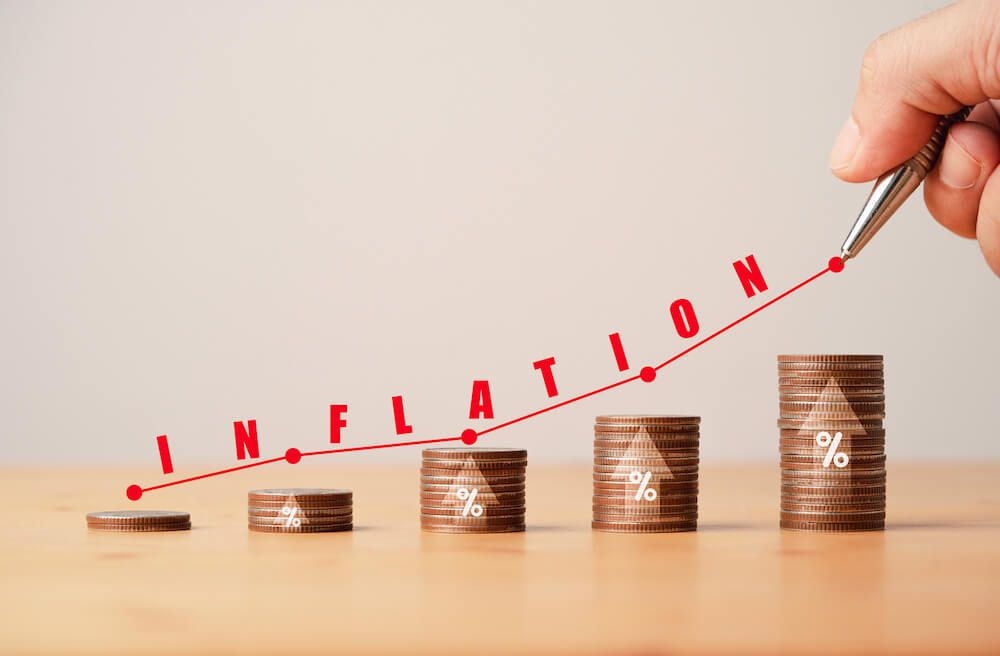
How Does Inflation Affect Pricing?
Inflation is one of the most significant economic forces influencing the prices consumers pay and the strategies businesses use. As the general price level of goods and services rises over time, companies face higher operating costs, changing customer behavior, and increased uncertainty. Understanding how inflation affects pricing helps consumers make informed purchasing decisions and enables businesses to maintain profitability while staying competitive.
What Is Inflation?
Inflation is the rate at which the average prices of goods and services increase over time, reducing the purchasing power of money. For example, if inflation is 4% annually, an item that costs $100 today would cost approximately $104 a year later, assuming all else remains equal.
Inflation can be driven by several factors, including:
-
Increased production costs
-
Higher consumer demand
-
Supply chain disruptions
-
Expansion of the money supply
-
Rising wages and energy prices
These factors influence how businesses determine the prices of their products and services.
Why Businesses Raise Prices During Inflation
Businesses often increase prices during inflation because their own costs rise. These costs may include:
-
Raw materials
-
Employee wages
-
Transportation and shipping
-
Utilities
-
Rent
-
Packaging
If a manufacturer pays more for steel, fuel, and labor, it may need to increase the selling price of its products to maintain profit margins. Without price adjustments, profits can shrink or even turn into losses.
For example, a bakery experiencing higher flour, butter, and electricity costs may increase the price of bread from $3.00 to $3.40 to offset those expenses.
Cost-Push Inflation and Pricing
Cost-push inflation occurs when production costs increase, forcing businesses to charge more.
Common examples include:
-
Rising oil prices increasing transportation costs
-
Poor harvests raising food prices
-
Higher import costs due to currency depreciation
-
Wage increases that raise labor expenses
Companies affected by these rising costs often pass some or all of the increases on to customers through higher prices.
Demand-Pull Inflation and Pricing
Demand-pull inflation happens when consumer demand exceeds available supply.
During periods of strong economic growth:
-
Consumers spend more.
-
Businesses struggle to keep up with demand.
-
Prices naturally rise.
For example, if travel demand surges while airline seat availability remains limited, airlines can charge higher ticket prices because customers are willing to pay more.
In this situation, prices increase not because costs are necessarily higher, but because demand is stronger than supply.
Different Industries Experience Inflation Differently
Inflation does not affect every industry equally.
Retail
Retailers may gradually increase prices or reduce promotional discounts. Some also introduce smaller package sizes while keeping prices similar—a practice known as shrinkflation.
Food Industry
Restaurants and grocery stores often experience rising ingredient costs, transportation expenses, and labor costs, leading to higher menu prices and grocery bills.
Manufacturing
Manufacturers face increased costs for raw materials, machinery, and logistics, often requiring periodic price adjustments.
Technology
Technology companies may experience rising component costs, but competition sometimes limits their ability to raise prices significantly.
Services
Service businesses, such as healthcare providers, consultants, and repair companies, often increase prices when labor costs rise.
Pricing Strategies During Inflation
Businesses rarely raise prices without careful planning. Instead, they often adopt strategies to balance profitability with customer satisfaction.
Gradual Price Increases
Rather than making one large increase, companies may implement several smaller adjustments over time to reduce customer resistance.
Value-Based Pricing
Businesses emphasize the value they provide instead of focusing solely on price. Customers may accept higher prices if they perceive superior quality or service.
Dynamic Pricing
Some industries adjust prices frequently based on demand, inventory, or market conditions. Airlines, hotels, and ride-sharing services commonly use this strategy.
Product Bundling
Companies combine multiple products into a package to increase perceived value while adjusting overall pricing.
Shrinkflation
Instead of raising prices directly, manufacturers reduce package sizes while keeping prices unchanged. Consumers effectively pay more per unit without seeing a noticeable price increase.
Consumer Behavior During Inflation
As prices rise, consumers often change their spending habits.
Common responses include:
-
Buying fewer nonessential items
-
Comparing prices more carefully
-
Switching to generic brands
-
Waiting for sales
-
Purchasing in bulk when possible
-
Reducing discretionary spending
Businesses monitor these behavioral changes when deciding how much to increase prices.
If customers become highly price-sensitive, aggressive price increases can reduce sales volume.
The Challenge of Finding the Right Price
Pricing during inflation requires balancing multiple factors.
Businesses must consider:
-
Rising operating costs
-
Competitor pricing
-
Customer expectations
-
Market demand
-
Profit margins
-
Long-term brand reputation
Pricing products too high may drive customers away, while pricing too low may reduce profitability.
Many companies use market research, customer surveys, and sales data to determine optimal pricing.
Inflation and Price Expectations
Inflation also changes customer expectations.
When consumers hear that inflation is rising, they often expect prices to continue increasing. This expectation can influence purchasing behavior.
For example:
-
Consumers may buy large appliances before prices rise further.
-
Businesses may order inventory earlier.
-
Suppliers may increase prices in anticipation of higher future costs.
These expectations can sometimes reinforce inflation itself.
Long-Term Pricing Decisions
Persistent inflation can permanently alter pricing strategies.
Businesses may:
-
Review prices more frequently.
-
Negotiate long-term supplier contracts.
-
Improve operational efficiency.
-
Automate production.
-
Reduce waste.
-
Diversify suppliers.
Rather than relying solely on price increases, many companies focus on lowering costs to remain competitive.
How Inflation Affects Competition
Competition influences how much businesses can raise prices.
In highly competitive markets:
-
Companies may absorb part of rising costs.
-
Discounts remain common.
-
Price increases are usually modest.
In markets with limited competition:
-
Businesses often have greater pricing power.
-
Consumers may have fewer alternatives.
-
Larger price increases become more feasible.
A company's brand strength also matters. Well-known brands with loyal customers often have greater flexibility to raise prices than smaller competitors.
Inflation and Profit Margins
Higher prices do not automatically mean higher profits.
If production costs rise faster than selling prices, profit margins shrink.
For example:
-
Product cost before inflation: $60
-
Selling price: $100
-
Profit: $40
After inflation:
-
Product cost rises to $80
-
Selling price increases to $110
-
Profit becomes $30
Although the selling price increased, profitability actually declined because costs rose even more.
How Consumers Can Respond
Consumers can reduce the impact of inflation by adopting smart spending habits.
Helpful strategies include:
-
Creating a realistic budget
-
Comparing prices across retailers
-
Buying necessities before expected price increases
-
Taking advantage of loyalty programs
-
Avoiding unnecessary debt
-
Building an emergency fund
-
Looking for substitute products with similar quality
These habits help households manage rising prices more effectively.
Final Thoughts
Inflation affects pricing by increasing production costs, influencing consumer demand, and changing competitive dynamics. Businesses must carefully balance higher expenses with customer expectations, using pricing strategies that protect profitability without sacrificing long-term loyalty. Meanwhile, consumers adapt by becoming more price-conscious and adjusting their purchasing habits.
Although inflation presents challenges for both businesses and households, understanding its impact on pricing makes it easier to anticipate changes, make informed financial decisions, and navigate periods of rising costs with greater confidence.
- Arts
- Business
- Computers
- Games
- Health
- Home
- Kids and Teens
- Money
- News
- Personal Development
- Recreation
- Regional
- Reference
- Science
- Shopping
- Society
- Sports
- Бизнес
- Деньги
- Дом
- Досуг
- Здоровье
- Игры
- Искусство
- Источники информации
- Компьютеры
- Личное развитие
- Наука
- Новости и СМИ
- Общество
- Покупки
- Спорт
- Страны и регионы
- World

 Russian
 French
 Spanish
 Portuguese
 Deutsch
 Turkish
 Dutch
Dutch
 Italiano
 Arabic
 Romaian
 Portuguese (Brazil)
 Greek
Greek
