
Inflation explained
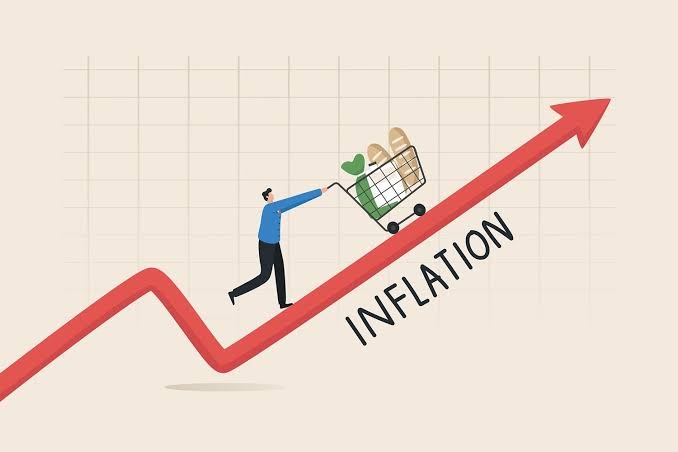
Inflation Explained
Introduction
Inflation is one of the most important concepts in economics because it affects nearly everyone. Whether you're buying groceries, paying rent, saving for retirement, or running a business, inflation influences the value of your money. Simply put, inflation is the general increase in the prices of goods and services over time, which reduces the purchasing power of money. When inflation rises, each unit of currency buys fewer goods and services than before.
Understanding inflation helps individuals make informed financial decisions and enables governments and central banks to develop policies that support economic stability.
What Is Inflation?
Inflation refers to a sustained increase in the overall price level of goods and services in an economy over a period of time. It is not about the price of a single product increasing, but rather a broad rise in prices across many sectors.
For example, if a loaf of bread costs $2 today and $2.10 next year, while many other everyday products also become more expensive, the economy is experiencing inflation.
Inflation is usually measured as an annual percentage. An inflation rate of 3% means that, on average, prices are 3% higher than they were a year earlier.
How Inflation Is Measured
Economists use several indicators to measure inflation. The most common is the Consumer Price Index (CPI). The CPI tracks the prices of a basket of commonly purchased goods and services, including:
-
Food
-
Housing
-
Transportation
-
Healthcare
-
Education
-
Clothing
-
Entertainment
By comparing the cost of this basket over time, economists can estimate how much prices have changed.
Another important measure is the Producer Price Index (PPI), which tracks changes in the prices producers receive for their goods. Rising producer prices often lead to higher consumer prices.
Main Causes of Inflation
Inflation can occur for several reasons, and economists generally classify it into three main types.
1. Demand-Pull Inflation
Demand-pull inflation occurs when demand for goods and services exceeds the economy's ability to produce them.
For example, if consumers have more money to spend due to higher wages or government stimulus, businesses may struggle to keep up with demand. As a result, they raise prices.
2. Cost-Push Inflation
Cost-push inflation happens when production costs increase. Higher costs for raw materials, labor, transportation, or energy force businesses to charge more for their products.
For instance, a significant increase in oil prices raises transportation costs, making many goods more expensive.
3. Built-In Inflation
Built-in inflation results from expectations. Workers demand higher wages because they expect prices to rise, and businesses increase prices to cover higher labor costs. This creates a cycle known as the wage-price spiral.
Factors That Influence Inflation
Several economic factors can contribute to inflation, including:
-
Increased money supply
-
Strong consumer spending
-
Low unemployment
-
Supply chain disruptions
-
Rising energy prices
-
Exchange rate fluctuations
-
Government spending and taxation
Often, multiple factors work together to influence inflation.
Effects of Inflation
Inflation has both positive and negative effects depending on its level.
Positive Effects
Moderate inflation can benefit the economy by:
-
Encouraging consumers to spend rather than delay purchases.
-
Supporting business investment.
-
Reducing the real burden of debt.
-
Promoting economic growth.
Most central banks aim for low and stable inflation rather than zero inflation.
Negative Effects
High inflation can create serious challenges:
-
Reduced purchasing power.
-
Higher cost of living.
-
Increased uncertainty for businesses.
-
Lower value of savings.
-
Difficulty planning long-term investments.
-
Greater income inequality if wages fail to keep pace with prices.
Extremely high inflation, known as hyperinflation, can severely damage an economy and erode public confidence in the currency.
Who Benefits and Who Loses?
Inflation does not affect everyone equally.
People who may benefit include:
-
Borrowers with fixed-rate loans, as they repay debt with money that is worth less.
-
Businesses that can raise prices faster than their costs increase.
-
Owners of assets such as real estate, which often appreciate in value.
Those who may be disadvantaged include:
-
Individuals with fixed incomes, such as some retirees.
-
Savers earning low interest rates.
-
Workers whose wages do not keep pace with inflation.
How Governments and Central Banks Control Inflation
Central banks play the leading role in controlling inflation through monetary policy.
Common tools include:
Raising Interest Rates
Higher interest rates make borrowing more expensive and encourage saving. This reduces spending and slows price increases.
Reducing the Money Supply
Central banks can decrease the amount of money circulating in the economy, helping reduce inflationary pressure.
Communication
By clearly communicating future policy intentions, central banks influence expectations, which can help stabilize inflation.
Governments also use fiscal policy by adjusting taxes and public spending to support price stability.
Inflation and Everyday Life
Inflation affects daily financial decisions in many ways.
For households, higher inflation means spending more on essentials such as food, housing, transportation, and utilities. Families may need to adjust budgets or postpone large purchases.
Businesses face higher operating costs and must decide whether to absorb these costs or pass them on to customers through higher prices.
Investors also pay close attention to inflation because it influences interest rates, stock markets, bond prices, and investment returns.
Tips for Managing Inflation
Individuals can reduce the impact of inflation by:
-
Creating and following a realistic budget.
-
Building an emergency savings fund.
-
Investing in assets with the potential to outpace inflation.
-
Paying down high-interest debt.
-
Continuing to develop skills that increase earning potential.
-
Comparing prices and shopping wisely.
While inflation cannot be avoided entirely, good financial planning can help minimize its effects.
Conclusion
Inflation is a natural part of most modern economies, representing the gradual increase in the prices of goods and services over time. Although moderate inflation can support economic growth, excessive inflation reduces purchasing power, creates uncertainty, and can weaken economic stability.
Understanding the causes, measurement, and effects of inflation allows individuals, businesses, and policymakers to make better financial and economic decisions. By monitoring inflation and responding appropriately through sound monetary, fiscal, and personal financial strategies, economies can maintain stable growth while protecting the value of money.
- Arts
- Business
- Computers
- Juegos
- Health
- Home
- Kids and Teens
- Money
- News
- Personal Development
- Recreation
- Regional
- Reference
- Science
- Shopping
- Society
- Sports
- Бизнес
- Деньги
- Дом
- Досуг
- Здоровье
- Игры
- Искусство
- Источники информации
- Компьютеры
- Личное развитие
- Наука
- Новости и СМИ
- Общество
- Покупки
- Спорт
- Страны и регионы
- World

 English
 Russian
 French
 Portuguese
 Deutsch
 Turkish
 Dutch
Dutch
 Italiano
 Arabic
 Romaian
 Portuguese (Brazil)
 Greek
Greek
