
Can I reduce the interest on my loan?
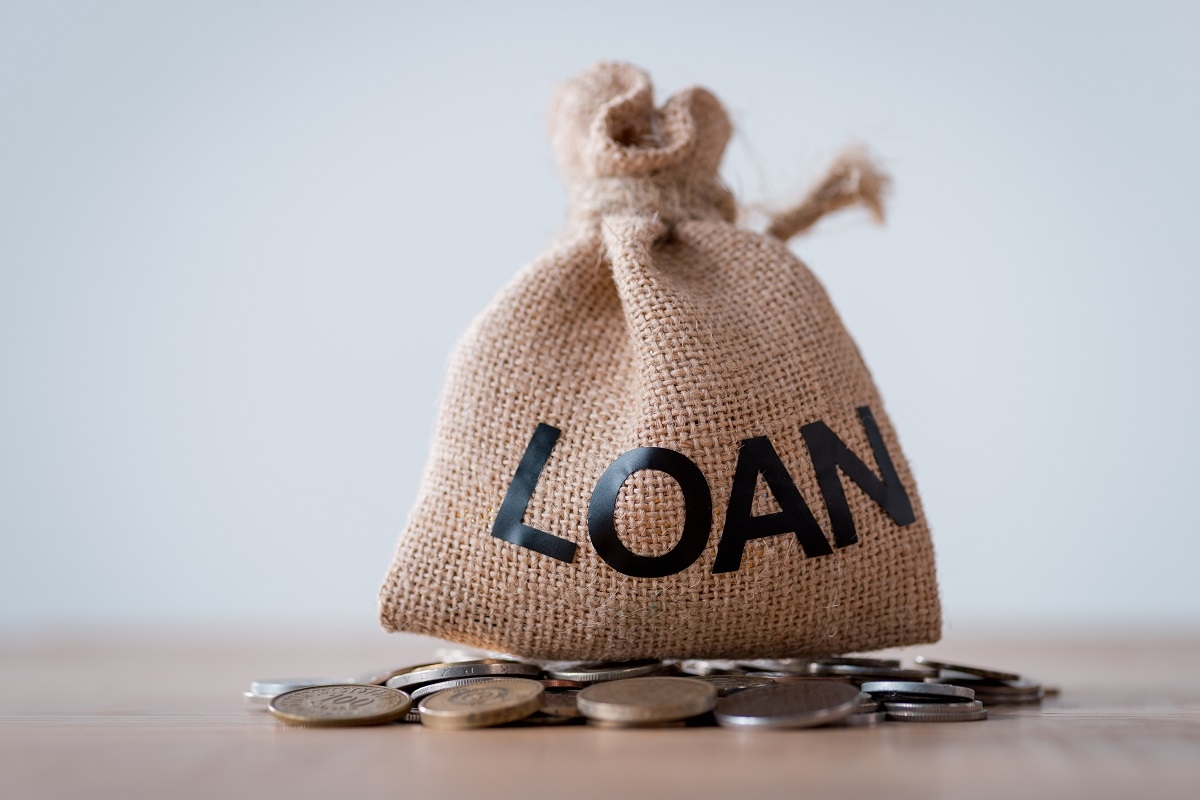
Can I Reduce the Interest on My Loan?
Yes, in many cases, you can reduce the interest you pay on a loan. While the interest rate listed in your loan agreement may seem fixed, there are several strategies that can lower either your rate or the total amount of interest you pay over the life of the loan. The best approach depends on your financial situation, the type of loan you have, and your lender's policies.
This guide explains the most effective ways to reduce loan interest and save money.
Understand What Determines Your Interest Rate
Before trying to lower your loan interest, it's helpful to know what affects it. Lenders typically consider factors such as:
-
Your credit score
-
Your income and debt levels
-
The loan amount and term
-
Whether the loan is secured or unsecured
-
Current market interest rates
Some of these factors can change over time, creating opportunities to qualify for better terms.
Improve Your Credit Score
A higher credit score often qualifies borrowers for lower interest rates. If your credit has improved since you took out the loan, your lender may be willing to offer a better rate, or you may qualify for refinancing elsewhere.
To improve your credit score:
-
Pay bills on time.
-
Keep credit card balances low.
-
Avoid applying for unnecessary new credit.
-
Check your credit report for errors and dispute inaccuracies.
Even a modest improvement in your credit score can lead to meaningful savings.
Refinance Your Loan
Refinancing replaces your existing loan with a new one that ideally has a lower interest rate.
Refinancing can be beneficial if:
-
Market interest rates have fallen.
-
Your credit score has improved.
-
Your financial situation is stronger than when you first borrowed.
However, before refinancing, compare any application fees, closing costs, or prepayment penalties with the potential savings. Refinancing makes the most sense when the long-term interest savings exceed the associated costs.
Make Extra Payments
Even if your interest rate stays the same, paying extra toward your loan principal reduces the balance faster. Since interest is often calculated on the remaining principal, you'll pay less interest over time.
For example, making one extra monthly payment each year or adding a small amount to every payment can shorten your repayment period and significantly reduce total interest costs.
Before making extra payments, verify that your lender applies them directly to the principal and doesn't charge prepayment penalties.
Choose a Shorter Loan Term
If refinancing is an option, switching to a shorter repayment term often results in a lower interest rate.
For example:
-
A 15-year mortgage generally has a lower rate than a 30-year mortgage.
-
A three-year auto loan may have a lower rate than a six-year loan.
Although your monthly payments may increase, you'll usually pay substantially less interest overall.
Negotiate With Your Lender
Many borrowers never ask their lender for a better rate, but it's worth trying.
You may have a stronger case if:
-
You've consistently made on-time payments.
-
Your credit score has improved.
-
You've been a long-term customer.
-
Competitors are offering lower rates.
Some lenders are willing to reduce your rate to retain your business, especially if you qualify for better financing elsewhere.
Set Up Automatic Payments
Many lenders offer an interest rate discount—often around 0.25%—for enrolling in automatic payments from a bank account.
While the savings may seem small, they can add up over the life of the loan. Automatic payments also reduce the risk of missed payments, helping protect your credit score.
Consolidate High-Interest Debt
If you have multiple high-interest loans or credit card balances, debt consolidation may help reduce your overall interest costs.
Common consolidation options include:
-
Personal loans with lower interest rates
-
Balance transfer credit cards with introductory promotional rates
-
Home equity loans or lines of credit (when appropriate)
Be sure to compare all fees and repayment terms before consolidating debt.
Consider Biweekly Payments
Instead of making one monthly payment, some lenders allow borrowers to make half-payments every two weeks.
This schedule results in 26 half-payments each year, equivalent to 13 full monthly payments instead of 12. The extra payment helps reduce your principal faster, lowering total interest paid over the life of the loan.
Avoid Missing Payments
Late payments can increase borrowing costs in several ways:
-
Late payment fees
-
Penalty interest rates
-
Damage to your credit score, making future borrowing more expensive
Making every payment on time is one of the simplest ways to keep borrowing costs as low as possible.
When Lowering Your Interest May Not Be Possible
In some situations, reducing your interest rate may be difficult, such as:
-
Interest rates have increased since you borrowed.
-
Your credit score has declined.
-
Your loan includes significant refinancing costs.
-
The remaining loan balance is relatively small.
Even if you can't secure a lower rate, making extra principal payments can still reduce your total interest expense.
Is Refinancing Always Worth It?
Not necessarily. Ask yourself these questions before refinancing:
-
How much will the new interest rate save?
-
What fees will you pay?
-
How long do you plan to keep the loan?
-
Will your monthly payment fit comfortably within your budget?
A lower rate doesn't automatically mean you'll save money if refinancing costs are high or the new loan extends your repayment period significantly.
Tips for Paying Less Interest
Here are some practical ways to reduce loan costs:
-
Improve your credit score before applying for new financing.
-
Shop around and compare multiple lenders.
-
Refinance when interest rates are favorable.
-
Pay extra toward the principal whenever possible.
-
Enroll in automatic payments if a discount is available.
-
Consider a shorter repayment term if you can afford higher monthly payments.
-
Avoid late payments and unnecessary fees.
Final Thoughts
Reducing the interest on your loan is often possible, whether through refinancing, improving your credit, negotiating with your lender, or paying down your balance faster. Even small reductions in your interest rate or extra payments toward the principal can save hundreds or even thousands of dollars over the life of a loan.
Before making any changes, compare the costs and benefits carefully. Choosing the strategy that fits your financial goals can help you become debt-free sooner while paying less in total interest.
- Arts
- Business
- Computers
- Giochi
- Health
- Home
- Kids and Teens
- Money
- News
- Personal Development
- Recreation
- Regional
- Reference
- Science
- Shopping
- Society
- Sports
- Бизнес
- Деньги
- Дом
- Досуг
- Здоровье
- Игры
- Искусство
- Источники информации
- Компьютеры
- Личное развитие
- Наука
- Новости и СМИ
- Общество
- Покупки
- Спорт
- Страны и регионы
- World

 English
 Russian
 French
 Spanish
 Portuguese
 Deutsch
 Turkish
 Dutch
Dutch
 Arabic
 Romaian
 Portuguese (Brazil)
 Greek
Greek
