
What is the average credit card interest rate?
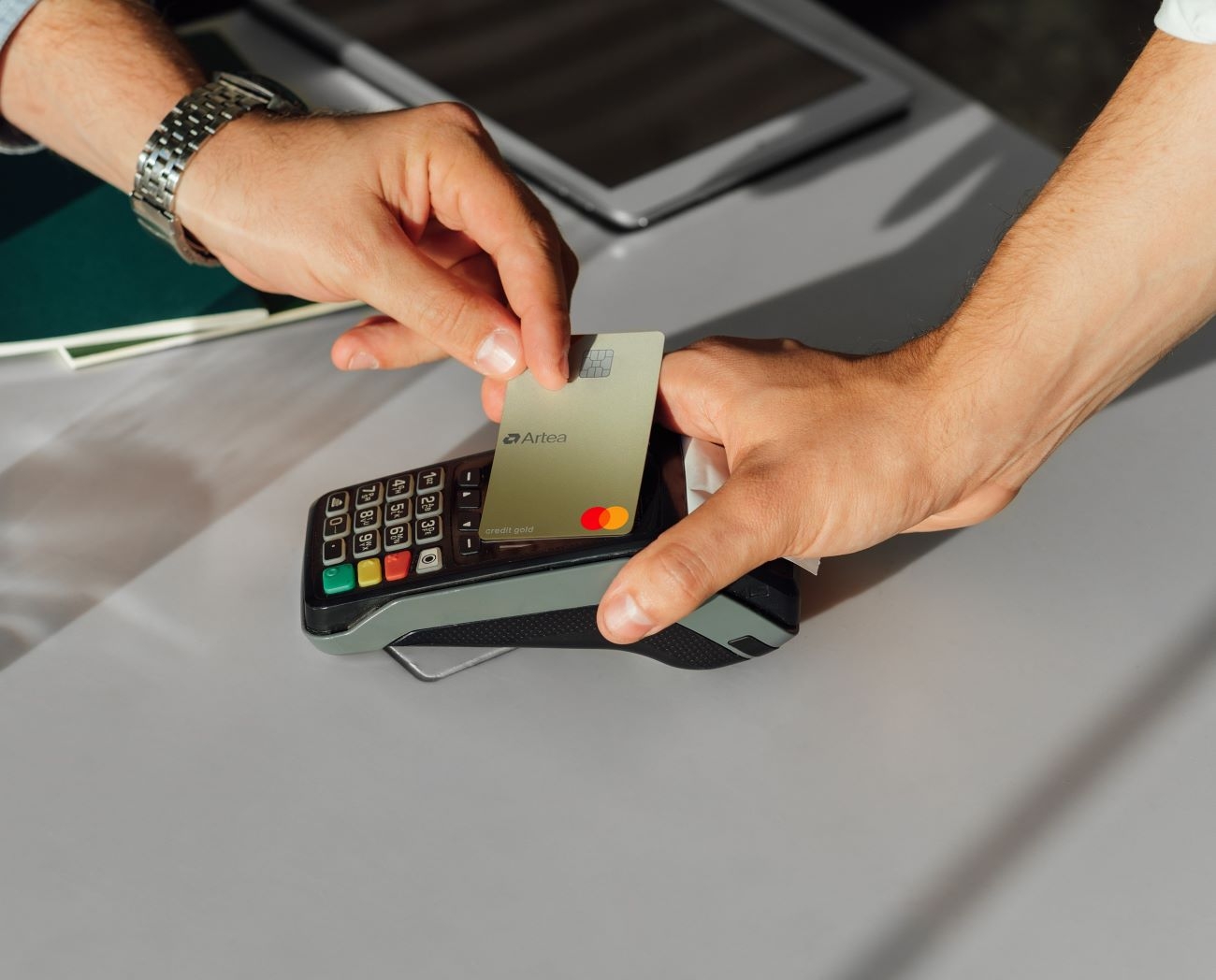
What Is the Average Credit Card Interest Rate?
Credit cards offer a convenient way to pay for purchases, build credit, and earn rewards. However, they can also be one of the most expensive forms of borrowing if you carry a balance. The main reason is the interest charged on unpaid balances, commonly expressed as the annual percentage rate (APR). Understanding the average credit card interest rate can help you make smarter financial decisions and reduce borrowing costs.
What Is a Credit Card Interest Rate?
A credit card interest rate is the percentage charged each year on money you borrow by carrying a balance on your credit card. This rate is usually listed as the card's APR.
If you pay your statement balance in full by the due date each month, most credit cards offer a grace period, meaning you won't pay interest on purchases. However, if you carry a balance from month to month, interest begins to accrue on the unpaid amount.
What Is the Average Credit Card Interest Rate?
The average credit card interest rate varies depending on the economy, the type of credit card, and the cardholder's creditworthiness. In recent years, the average APR for credit cards has generally fallen between 20% and 25%.
Some general ranges include:
-
Excellent credit: approximately 16%–22% APR
-
Good credit: approximately 20%–25% APR
-
Fair or poor credit: 25%–35% APR or higher
Keep in mind that these are averages. Your actual rate may be lower or higher depending on your financial profile.
Why Do Interest Rates Vary?
Several factors influence the interest rate a credit card issuer offers.
Credit Score
Your credit score is one of the biggest factors. Borrowers with higher credit scores typically qualify for lower interest rates because they are viewed as less risky.
Card Type
Different credit cards have different pricing:
-
Rewards cards often have higher APRs.
-
Secured credit cards may have moderate rates.
-
Premium travel cards can have higher rates but include valuable benefits.
-
Balance transfer cards may offer a temporary 0% introductory APR.
Market Interest Rates
Many credit card APRs are variable, meaning they change when benchmark interest rates, such as a country's prime rate, increase or decrease.
Issuer Policies
Each card issuer evaluates applicants differently. Two people with similar credit scores may still receive different APRs from different lenders.
How Credit Card Interest Is Calculated
Although the APR is quoted as an annual rate, interest is typically calculated daily.
Your issuer converts the APR into a daily periodic rate by dividing it by 365. That daily rate is applied to your average daily balance throughout the billing cycle.
For example:
-
Balance: $2,000
-
APR: 24%
-
Daily rate: 24% ÷ 365 ≈ 0.0658%
Each day, interest is added to the balance, which can result in compounding if the balance remains unpaid.
How Much Difference Does the APR Make?
A few percentage points can significantly affect the total cost of borrowing.
For example, suppose you carry a $5,000 balance for one year without making additional purchases.
-
At an 18% APR, you'll pay substantially less interest.
-
At a 28% APR, your interest costs can be hundreds of dollars higher.
The higher the balance and the longer you take to repay it, the greater the impact of the interest rate.
How to Get a Lower Credit Card Interest Rate
If your current APR is higher than average, you may have options.
Improve Your Credit Score
Pay bills on time, reduce outstanding debt, and avoid applying for unnecessary new credit. As your credit improves, you may qualify for lower-rate cards.
Request a Lower APR
If you've consistently made on-time payments, contact your card issuer and ask for a reduced interest rate. Many issuers are willing to review your account.
Transfer Your Balance
A balance transfer card with a 0% introductory APR can help you pay down debt without accumulating additional interest during the promotional period. Be sure to understand any balance transfer fees and the standard APR after the promotion ends.
Pay More Than the Minimum
Making only the minimum payment keeps you in debt longer and increases total interest costs. Paying extra each month helps reduce both your balance and the interest you pay.
Do You Always Pay Credit Card Interest?
No. Many people never pay credit card interest because they pay their statement balance in full every month.
You will generally avoid interest on purchases if you:
-
Pay your statement balance in full by the due date.
-
Do not carry a balance into the next billing cycle.
However, cash advances and some balance transfers may begin accruing interest immediately, depending on your card's terms.
Should You Focus Only on the Interest Rate?
Not necessarily. While the APR is important, you should also consider:
-
Annual fees
-
Rewards and cashback programs
-
Introductory APR offers
-
Foreign transaction fees
-
Balance transfer fees
-
Customer service and account features
If you always pay your balance in full, rewards and benefits may matter more than the APR. If you regularly carry a balance, a lower interest rate should be a top priority.
Final Thoughts
The average credit card interest rate generally falls between 20% and 25% APR, though your actual rate depends on factors such as your credit score, the type of card, and current market conditions. Even a small difference in APR can lead to significant savings over time if you carry a balance.
The best way to avoid paying credit card interest is to pay your statement balance in full each month. If that's not possible, focus on reducing your balance quickly, improving your credit score, and exploring opportunities to qualify for a lower interest rate. Understanding how credit card interest works can help you borrow more wisely and keep more of your money.
- Arts
- Business
- Computers
- Παιχνίδια
- Health
- Κεντρική Σελίδα
- Kids and Teens
- Money
- News
- Personal Development
- Recreation
- Regional
- Reference
- Science
- Shopping
- Society
- Sports
- Бизнес
- Деньги
- Дом
- Досуг
- Здоровье
- Игры
- Искусство
- Источники информации
- Компьютеры
- Личное развитие
- Наука
- Новости и СМИ
- Общество
- Покупки
- Спорт
- Страны и регионы
- World

 English
 Russian
 French
 Spanish
 Portuguese
 Deutsch
 Turkish
 Dutch
Dutch
 Italiano
 Arabic
 Romaian
 Portuguese (Brazil)
