
How do bonds pay interest?
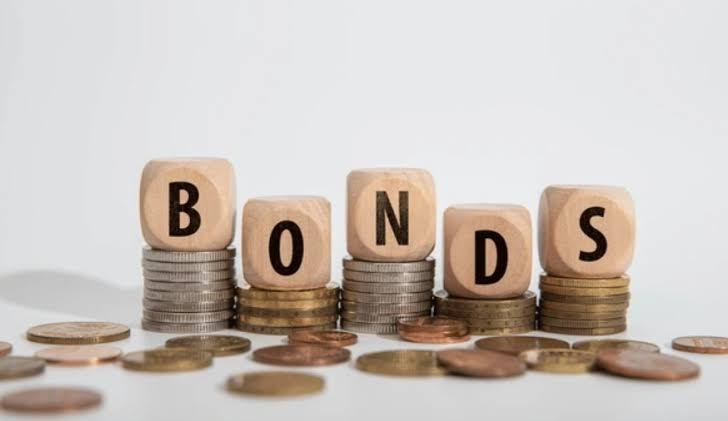
How Do Bonds Pay Interest?
Bonds are one of the most popular investments for people seeking steady income. Governments, corporations, and other organizations issue bonds to raise money, and in return, they promise to pay investors interest over a set period before repaying the original amount invested.
Understanding how bonds pay interest can help you decide whether they belong in your investment portfolio.
What Is a Bond?
A bond is essentially a loan. When you buy a bond, you are lending money to the issuer, such as a government, municipality, or corporation. In exchange, the issuer agrees to:
-
Pay you interest at regular intervals.
-
Repay the bond's face value (also called the principal or par value) when it matures.
For example, if you purchase a $1,000 bond issued by a company, you are lending that company $1,000.
What Is Bond Interest?
The interest paid on a bond is known as the coupon payment. This payment is determined by the bond's coupon rate, which is the annual interest rate stated when the bond is issued.
For example:
-
Face value: $1,000
-
Coupon rate: 5%
The bond pays:
-
$50 in interest each year (5% of $1,000).
The coupon rate generally remains fixed throughout the life of a traditional fixed-rate bond.
How Often Do Bonds Pay Interest?
The payment schedule depends on the bond's terms. Common payment frequencies include:
-
Semiannually: Twice a year (most U.S. corporate and Treasury bonds).
-
Annually: Once a year.
-
Quarterly: Four times a year (less common).
-
Monthly: Rare, but available with some specialty bonds and bond funds.
For example, a $1,000 bond with a 6% annual coupon paid semiannually would provide:
-
$30 every six months.
-
$60 total per year.
Example of Bond Interest Payments
Imagine you purchase a bond with the following features:
-
Face value: $1,000
-
Coupon rate: 4%
-
Maturity: 10 years
-
Interest payments: Twice a year
Here's what happens:
-
Every six months, you receive $20.
-
Over one year, you receive $40.
-
After 10 years, you've received $400 in interest.
-
At maturity, the issuer returns your original $1,000.
As long as the issuer remains financially able to make payments, you'll continue receiving interest according to the schedule.
Fixed-Rate Bonds
Most traditional bonds have fixed interest rates. This means the coupon payment stays the same regardless of changes in market interest rates.
For example:
-
A bond paying 5% continues paying 5%, even if new bonds are issued at 3% or 7%.
However, while the interest payment remains fixed, the bond's market price may rise or fall depending on current interest rates.
Floating-Rate Bonds
Some bonds have variable or floating interest rates instead of fixed rates.
These bonds periodically adjust their coupon rate based on a benchmark interest rate, such as a government reference rate or another market index.
If market rates rise, your bond's interest payment usually increases. If rates fall, your payments may decrease.
Zero-Coupon Bonds
Not all bonds make regular interest payments.
Zero-coupon bonds are sold at a discount to their face value and do not pay periodic interest. Instead, investors earn interest because the bond matures at its full face value.
For example:
-
Purchase price: $800
-
Face value: $1,000
-
Maturity: 10 years
At maturity, you receive $1,000. The $200 difference represents the interest earned over the life of the bond.
What Determines a Bond's Interest Rate?
Several factors influence the interest rate offered on a newly issued bond.
Credit Quality
Issuers with stronger credit ratings usually pay lower interest rates because they are considered less risky.
Lower-rated issuers typically offer higher rates to compensate investors for taking on additional risk.
Market Interest Rates
When general interest rates rise, new bonds are issued with higher coupon rates. When rates fall, newly issued bonds usually offer lower rates.
Time to Maturity
Longer-term bonds often offer higher interest rates than shorter-term bonds because investors are committing their money for a longer period and taking on greater uncertainty.
Inflation Expectations
If inflation is expected to increase, investors generally demand higher interest rates to preserve their purchasing power.
Can Bond Interest Change?
For fixed-rate bonds, the coupon payment does not change.
However, the bond's market value changes as interest rates fluctuate.
For example:
-
If new bonds offer higher rates, older bonds paying lower rates become less attractive and may decrease in price.
-
If market rates fall, older bonds with higher coupons often become more valuable.
This is why bond prices and interest rates typically move in opposite directions.
What Happens at Maturity?
When a bond reaches its maturity date:
-
The final interest payment is made.
-
The issuer repays the bond's face value.
Once the bond matures, interest payments stop because the loan has been fully repaid.
Are Bond Interest Payments Guaranteed?
Bond interest payments depend on the issuer's ability to meet its obligations.
Government bonds issued by financially stable governments are generally considered lower risk.
Corporate bonds carry varying levels of risk depending on the company's financial health. If an issuer defaults, investors may receive reduced payments or lose part of their investment.
Because of this, it's important to evaluate a bond's credit rating before investing.
Taxes on Bond Interest
Bond interest may be taxable, depending on the type of bond and your country's tax laws.
Examples include:
-
Interest from corporate bonds is often subject to income tax.
-
Some government or municipal bonds may offer tax advantages.
-
Zero-coupon bonds may create taxable income even before maturity in certain jurisdictions.
Investors should understand the tax treatment of their investments or consult a qualified tax professional.
Advantages of Bonds
Many investors include bonds in their portfolios because they offer several benefits:
-
Predictable income.
-
Lower volatility than many stocks.
-
Diversification.
-
Preservation of capital when held to maturity (assuming no default).
-
A wide range of investment choices.
Risks to Consider
Despite their relative stability, bonds still involve risks, including:
-
Interest rate risk.
-
Inflation reducing purchasing power.
-
Credit or default risk.
-
Reinvestment risk if future interest rates decline.
-
Market risk if you sell before maturity.
Understanding these risks helps investors make informed decisions.
Final Thoughts
Bonds pay interest by compensating investors for lending money to governments, corporations, or other issuers. Most bonds provide regular coupon payments based on a fixed or variable interest rate and return the original investment when the bond matures. Others, such as zero-coupon bonds, generate returns through price appreciation instead of periodic payments.
For investors seeking predictable income and portfolio diversification, bonds can be a valuable investment. However, it's important to consider factors such as credit quality, interest rate movements, maturity, and tax implications before purchasing any bond.
- Arts
- Business
- Computers
- Jogos
- Health
- Início
- Kids and Teens
- Money
- News
- Personal Development
- Recreation
- Regional
- Reference
- Science
- Shopping
- Society
- Sports
- Бизнес
- Деньги
- Дом
- Досуг
- Здоровье
- Игры
- Искусство
- Источники информации
- Компьютеры
- Личное развитие
- Наука
- Новости и СМИ
- Общество
- Покупки
- Спорт
- Страны и регионы
- World

 English
 Russian
 French
 Spanish
 Portuguese
 Deutsch
 Turkish
 Dutch
Dutch
 Italiano
 Arabic
 Romaian
 Greek
Greek