
How do interest rates affect housing prices?
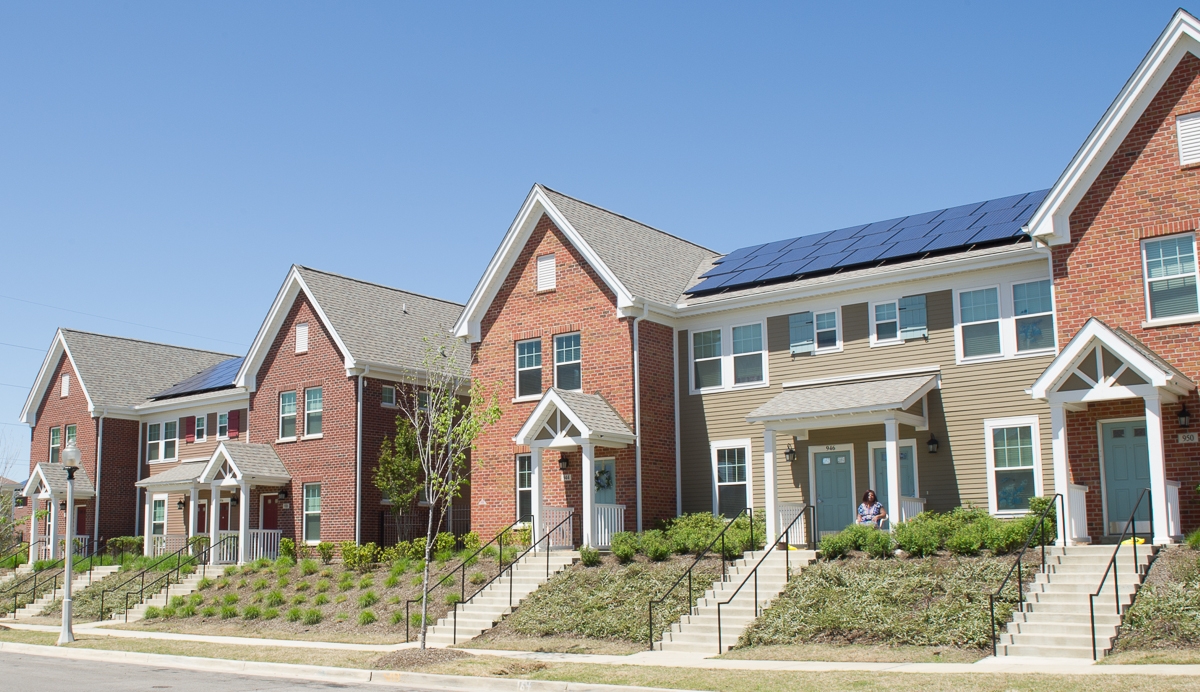
How Do Interest Rates Affect Housing Prices?
Interest rates play one of the most important roles in determining housing prices. Whether you are buying your first home, investing in real estate, or simply following the property market, understanding how interest rates influence home values can help you make better financial decisions.
In general, lower interest rates tend to increase housing prices, while higher interest rates often slow price growth or cause prices to fall. However, interest rates are only one factor among many. Employment, income growth, housing supply, and consumer confidence also influence the real estate market.
What Are Interest Rates?
Interest rates represent the cost of borrowing money. When you take out a mortgage, the lender charges interest on the loan. Central banks influence market interest rates by adjusting their policy rates, which affect borrowing costs throughout the economy.
Mortgage rates determine how much borrowers pay each month for a home loan. Even a small change in mortgage rates can significantly affect affordability.
Lower Interest Rates Increase Housing Demand
When interest rates fall, mortgages become cheaper. Lower monthly payments make homeownership more affordable for many buyers.
For example:
-
A lower mortgage rate reduces monthly loan payments.
-
Buyers may qualify for larger loans.
-
More people enter the housing market.
-
Existing homeowners may refinance and save money.
As demand increases, competition among buyers often pushes home prices higher, especially in markets with limited housing supply.
Higher Interest Rates Reduce Housing Demand
When interest rates rise, borrowing becomes more expensive. Monthly mortgage payments increase, reducing the amount many buyers can afford.
For example, if mortgage rates rise from 4% to 7%, the monthly payment on the same loan increases substantially. As a result:
-
Some buyers postpone purchasing.
-
Others look for less expensive homes.
-
Investors may reduce property purchases.
-
Demand for housing weakens.
Lower demand usually slows price growth and can even lead to falling home prices if sellers outnumber buyers.
Affordability Is the Key
Housing prices are closely tied to affordability rather than simply home values.
Imagine two buyers purchasing similar homes:
-
Buyer A borrows at a 3% mortgage rate.
-
Buyer B borrows at a 7% mortgage rate.
Although the homes have the same price, Buyer B pays much more each month. Higher monthly costs reduce the number of buyers who can qualify for financing.
As affordability declines, sellers may need to lower asking prices to attract buyers.
Impact on Home Sellers
Interest rates affect sellers as well as buyers.
When rates are low:
-
More buyers compete for homes.
-
Houses sell more quickly.
-
Sellers often receive multiple offers.
-
Prices tend to rise.
When rates are high:
-
Buyer traffic slows.
-
Homes remain on the market longer.
-
Sellers may negotiate more on price.
-
Price reductions become more common.
However, homeowners with very low mortgage rates may hesitate to sell because buying another home would require financing at today's higher rates. This can reduce the number of homes available for sale.
Housing Supply Matters
Interest rates influence both demand and supply.
Higher rates increase construction financing costs for builders. Developers may delay or cancel new projects because borrowing becomes more expensive.
This creates an interesting situation:
-
Higher rates reduce buyer demand.
-
Higher rates also reduce new housing construction.
If housing supply becomes very limited, prices may remain relatively high even when demand weakens.
Effects on Real Estate Investors
Investors often rely on borrowed money to purchase rental properties or commercial real estate.
Low interest rates allow investors to:
-
Borrow more cheaply.
-
Earn higher returns.
-
Purchase additional properties.
As investment activity increases, competition for homes rises, supporting higher prices.
When rates increase, financing becomes more expensive, reducing expected profits. Investors may buy fewer properties, decreasing demand.
Regional Differences
Interest rate changes do not affect every housing market equally.
Large cities with strong job growth may continue seeing rising prices despite higher mortgage rates.
Meanwhile, smaller markets with slower population growth may experience larger price declines when borrowing costs rise.
Local factors include:
-
Employment opportunities
-
Population growth
-
Housing shortages
-
Income levels
-
Government policies
These factors can either strengthen or weaken the effect of interest rates.
The Role of Inflation
Interest rates and inflation are closely connected.
When inflation rises, central banks often increase interest rates to slow spending. Higher rates reduce borrowing, which can cool housing demand.
Conversely, during periods of low inflation or economic weakness, central banks may lower interest rates to stimulate borrowing and investment, encouraging home purchases.
Why Housing Prices Sometimes Keep Rising Despite High Rates
Many people expect housing prices to fall immediately after interest rates increase. However, this does not always happen.
Prices may continue rising because:
-
There are too few homes available.
-
Population growth remains strong.
-
Employment is high.
-
Household incomes continue increasing.
-
Homeowners are reluctant to sell low-rate mortgages.
As a result, reduced supply may offset weaker demand.
Long-Term Effects
Over long periods, housing markets generally adjust to changing interest rates.
Higher rates usually lead to:
-
Slower home sales
-
Reduced mortgage lending
-
Lower construction activity
-
More stable or declining prices
Lower rates generally encourage:
-
Increased home purchases
-
Higher construction activity
-
Greater investment
-
Rising housing prices
The adjustment is rarely immediate. Housing markets often respond over several months or even years.
Factors Beyond Interest Rates
Although interest rates are extremely influential, they are not the only driver of housing prices.
Other important factors include:
-
Employment and wage growth
-
Population changes
-
Housing supply
-
Government housing programs
-
Property taxes
-
Consumer confidence
-
Credit availability
-
Local economic conditions
The interaction of these factors determines how strongly interest rates affect a particular market.
Tips for Homebuyers
Understanding interest rates can help buyers make smarter decisions.
Consider these tips:
-
Compare mortgage offers from multiple lenders.
-
Calculate monthly payments rather than focusing only on purchase price.
-
Leave room in your budget for future rate increases if using an adjustable-rate mortgage.
-
Maintain a strong credit score to qualify for better rates.
-
Avoid stretching your finances to the maximum loan amount.
Buying a home you can comfortably afford is usually more important than trying to perfectly time the market.
Conclusion
Interest rates have a powerful influence on housing prices because they directly affect the cost of borrowing and the affordability of mortgages. Lower interest rates typically increase demand, boost home sales, and push prices upward. Higher rates usually reduce affordability, weaken demand, and slow or reverse price growth.
However, housing prices depend on more than interest rates alone. Supply shortages, employment, income growth, demographics, and local economic conditions all shape the market. By understanding how these factors work together, buyers, sellers, and investors can make more informed real estate decisions regardless of where interest rates are headed.
- Arts
- Business
- Computers
- Spiele
- Health
- Startseite
- Kids and Teens
- Geld
- News
- Personal Development
- Recreation
- Regional
- Reference
- Science
- Shopping
- Society
- Sports
- Бизнес
- Деньги
- Дом
- Досуг
- Здоровье
- Игры
- Искусство
- Источники информации
- Компьютеры
- Личное развитие
- Наука
- Новости и СМИ
- Общество
- Покупки
- Спорт
- Страны и регионы
- World

 English
 Russian
 French
 Spanish
 Portuguese
 Turkish
 Dutch
Dutch
 Italiano
 Arabic
 Romaian
 Portuguese (Brazil)
 Greek
Greek
