
How Do Interest Rates Affect Unemployment?
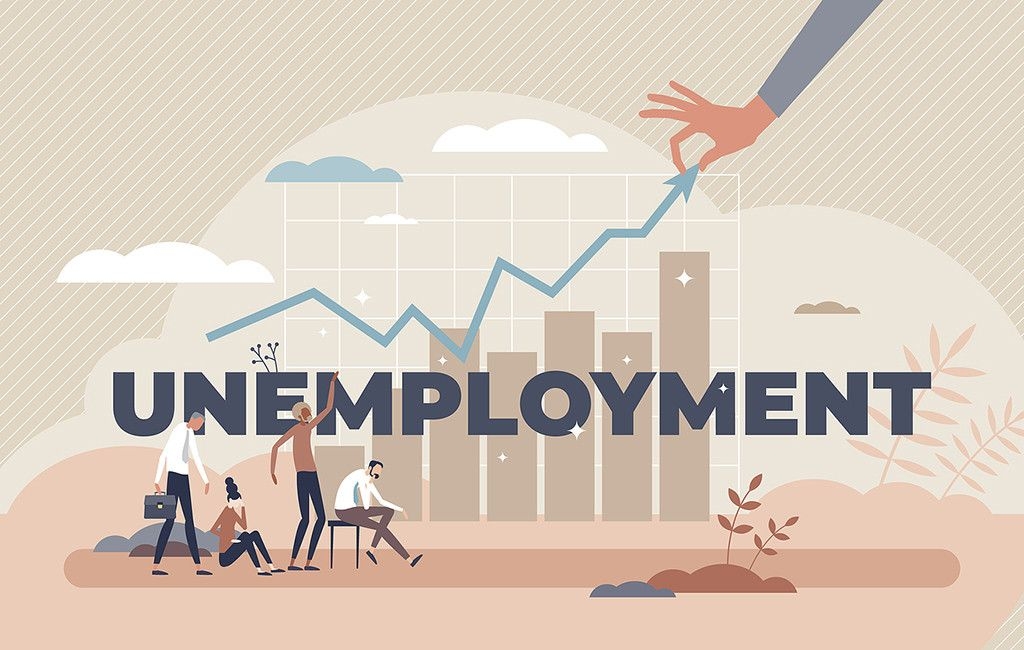
How Do Interest Rates Affect Unemployment?
Interest rates are one of the most powerful tools used to influence the economy. Set primarily by a country's central bank, they affect borrowing, spending, investment, and business activity. One important consequence of changing interest rates is their impact on unemployment.
Although the relationship is not immediate or always predictable, interest rates can significantly influence how many people have jobs. Understanding this connection helps explain why central banks often adjust rates during periods of economic growth or recession.
Understanding Interest Rates
An interest rate is the cost of borrowing money or the return earned on savings. When central banks raise or lower benchmark interest rates, commercial banks usually adjust the rates they charge on loans and offer on deposits.
Higher interest rates make borrowing more expensive and encourage saving. Lower interest rates make borrowing cheaper and encourage spending and investment.
These changes ripple throughout the economy, affecting businesses, consumers, and ultimately the job market.
How Higher Interest Rates Can Increase Unemployment
When interest rates rise, borrowing becomes more costly for businesses and households.
Businesses Reduce Investment
Companies often borrow money to:
-
Expand operations
-
Purchase equipment
-
Build new facilities
-
Hire additional workers
Higher borrowing costs make many of these investments less attractive. Businesses may postpone expansion plans or reduce spending altogether.
As investment slows, hiring often slows as well.
Consumers Spend Less
Higher interest rates also affect consumers by increasing the cost of:
-
Mortgages
-
Car loans
-
Credit cards
-
Personal loans
As monthly payments rise, households typically reduce discretionary spending.
Lower consumer demand means businesses sell fewer goods and services, leading some companies to reduce hiring or even lay off employees.
Slower Economic Growth
Reduced business investment and consumer spending slow overall economic activity.
When companies experience declining sales, they may:
-
Freeze hiring
-
Reduce employee hours
-
Delay expansion
-
Cut jobs
As a result, unemployment tends to rise.
How Lower Interest Rates Can Reduce Unemployment
Lower interest rates generally have the opposite effect.
Businesses Invest More
Cheaper borrowing encourages companies to:
-
Open new locations
-
Buy equipment
-
Launch products
-
Expand production
Growing businesses often need additional workers, increasing employment.
Consumers Increase Spending
Lower loan payments leave consumers with more disposable income.
People may purchase:
-
Homes
-
Vehicles
-
Appliances
-
Electronics
-
Vacations
Higher consumer demand encourages businesses to hire more employees to meet increased sales.
More Economic Activity
As spending and investment rise, economic growth usually accelerates.
Stronger growth creates new jobs across industries such as:
-
Manufacturing
-
Construction
-
Retail
-
Hospitality
-
Technology
-
Professional services
This typically reduces unemployment.
Why the Effects Take Time
Interest rate changes do not affect unemployment overnight.
It often takes several months before households and businesses adjust their borrowing and spending decisions.
The full impact on employment may take anywhere from six months to two years, depending on:
-
Economic conditions
-
Consumer confidence
-
Business expectations
-
Government policies
-
Global events
This delay is one reason central banks try to anticipate future economic conditions rather than reacting only to current data.
A Real-World Example
Imagine a country experiencing high inflation.
To slow rising prices, the central bank raises interest rates.
As a result:
-
Mortgage rates increase.
-
Home sales decline.
-
Construction companies build fewer houses.
-
Builders hire fewer workers.
-
Furniture and appliance sales slow.
-
Manufacturers reduce production.
-
Retailers hire fewer employees.
Across many industries, unemployment gradually rises as economic activity slows.
Conversely, during a recession, the central bank may lower interest rates.
Cheaper borrowing encourages consumers and businesses to spend again, increasing demand for workers and helping unemployment decline over time.
The Balance Between Inflation and Employment
Central banks often face a difficult trade-off.
Raising interest rates helps control inflation but may slow economic growth and increase unemployment.
Lowering interest rates can reduce unemployment but may also increase inflation if demand grows too quickly.
Because of this balance, central banks carefully monitor indicators such as:
-
Inflation
-
Unemployment
-
Economic growth
-
Wage increases
-
Consumer spending
-
Business investment
Their goal is to support stable prices while maintaining healthy employment.
Factors That Can Weaken the Relationship
Although interest rates influence unemployment, they are not the only factor.
Employment can also be affected by:
Government Spending
Large public infrastructure projects or stimulus programs can create jobs even when interest rates are high.
Global Events
Pandemics, wars, and international supply disruptions may increase unemployment regardless of interest rate policy.
Business Confidence
If business leaders are optimistic about future demand, they may continue hiring despite higher borrowing costs.
Conversely, uncertainty may discourage hiring even when interest rates are low.
Labor Market Conditions
Worker shortages can keep unemployment low despite rising interest rates.
Similarly, technological changes or automation can reduce hiring even during periods of low interest rates.
Different Industries Feel Different Effects
Interest-sensitive industries usually experience the strongest employment changes.
These include:
-
Construction
-
Real estate
-
Automotive manufacturing
-
Banking
-
Retail
Other sectors, such as healthcare, education, and essential public services, may experience smaller employment changes because demand remains relatively stable.
Can Lower Interest Rates Always Reduce Unemployment?
Not necessarily.
If businesses and consumers lack confidence during a severe recession, they may avoid borrowing even when interest rates are very low.
Economists sometimes describe this as a situation where monetary policy becomes less effective because uncertainty outweighs the benefits of cheaper borrowing.
In these situations, governments may use fiscal policies—such as increased public spending or tax relief—to stimulate job creation alongside lower interest rates.
Conclusion
Interest rates play a crucial role in shaping unemployment by influencing borrowing, spending, investment, and overall economic activity. Higher interest rates generally slow the economy, reduce business investment, and increase unemployment over time. Lower interest rates encourage borrowing, boost spending, stimulate business expansion, and often reduce unemployment.
However, the relationship is not automatic. Economic conditions, government policies, consumer confidence, and global events all influence how strongly interest rate changes affect employment. For this reason, central banks carefully balance the goals of controlling inflation and supporting a healthy labor market when setting interest rates.
- Arts
- Business
- Computers
- Oyunlar
- Health
- Home
- Kids and Teens
- Money
- News
- Personal Development
- Recreation
- Regional
- Reference
- Science
- Shopping
- Society
- Sports
- Бизнес
- Деньги
- Дом
- Досуг
- Здоровье
- Игры
- Искусство
- Источники информации
- Компьютеры
- Личное развитие
- Наука
- Новости и СМИ
- Общество
- Покупки
- Спорт
- Страны и регионы
- World

 English
 Russian
 French
 Spanish
 Portuguese
 Deutsch
 Dutch
Dutch
 Italiano
 Arabic
 Romaian
 Portuguese (Brazil)
 Greek
Greek
