
How do interest rates affect inflation?
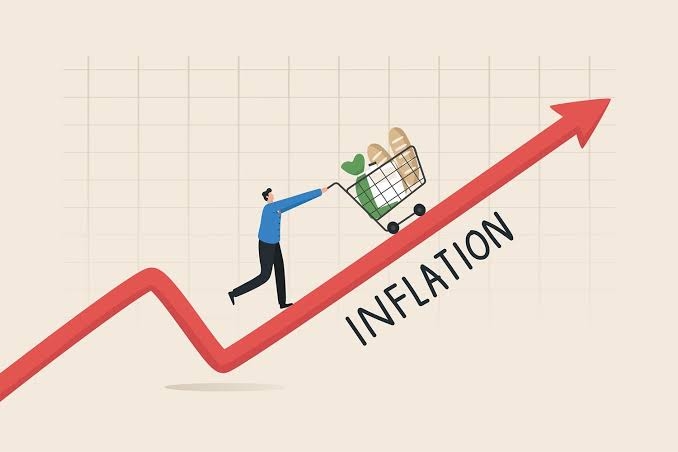
How Do Interest Rates Affect Inflation?
Inflation refers to the rate at which the general prices of goods and services rise over time, reducing the purchasing power of money. One of the most important tools governments use to manage inflation is the adjustment of interest rates by central banks. Understanding the relationship between interest rates and inflation helps individuals, businesses, and investors make informed financial decisions.
The Link Between Interest Rates and Inflation
Interest rates and inflation are closely connected. Central banks, such as the Federal Reserve, the European Central Bank, and the Bank of England, adjust benchmark interest rates to influence borrowing, spending, and saving throughout the economy.
When inflation rises too quickly, central banks often increase interest rates to slow economic activity. Conversely, when inflation is too low or the economy is weakening, they may lower interest rates to encourage growth.
How Higher Interest Rates Reduce Inflation
When interest rates increase, borrowing money becomes more expensive. This affects consumers and businesses in several ways:
1. Reduced Consumer Spending
Higher interest rates increase the cost of mortgages, car loans, personal loans, and credit cards. As monthly loan payments become more expensive, households tend to spend less on discretionary purchases.
Lower consumer demand reduces pressure on businesses to raise prices, helping slow inflation.
2. Lower Business Investment
Businesses often rely on loans to expand operations, purchase equipment, or hire workers. Higher borrowing costs may cause companies to postpone investments.
With slower business expansion and reduced demand for goods and services, price increases often moderate.
3. Increased Savings
Higher interest rates usually mean better returns on savings accounts, certificates of deposit, and some fixed-income investments.
As people save more and spend less, overall demand in the economy falls, easing inflationary pressure.
4. Stronger Currency
Higher interest rates can attract foreign investors seeking better returns. Increased demand for a country's currency may strengthen its value.
A stronger currency makes imported goods less expensive, reducing the cost of products and raw materials and helping control inflation.
How Lower Interest Rates Can Increase Inflation
When central banks reduce interest rates, borrowing becomes cheaper and economic activity often accelerates.
1. More Consumer Borrowing
Lower interest rates encourage consumers to finance homes, vehicles, and other large purchases. Increased spending raises demand for goods and services.
If demand grows faster than supply, businesses may raise prices, leading to higher inflation.
2. More Business Expansion
Cheaper financing encourages businesses to invest in new projects, hire employees, and increase production.
While this supports economic growth, rapid increases in demand can eventually contribute to rising prices.
3. Increased Investment
Lower interest rates often make stocks, real estate, and business investments more attractive compared to savings accounts.
This additional investment can stimulate economic activity but may also contribute to inflation if spending becomes excessive.
Why Central Banks Target Moderate Inflation
Most central banks aim for low and stable inflation rather than zero inflation. Moderate inflation encourages spending and investment while avoiding the harmful effects of rapidly rising prices.
If inflation becomes too high, households lose purchasing power and businesses face uncertainty. If inflation remains too low or turns into deflation, consumers may delay spending, slowing economic growth.
Balancing interest rates helps central banks maintain this stability.
Factors That Limit the Impact of Interest Rates
Although interest rates are powerful, they are not the only factor influencing inflation.
Other important influences include:
-
Supply chain disruptions
-
Energy and commodity prices
-
Labor shortages
-
Government spending and taxation
-
Exchange rate movements
-
Global economic conditions
For example, if oil prices surge due to geopolitical events, inflation may rise even when interest rates are relatively high.
The Time Lag
Changes in interest rates do not affect inflation immediately.
It often takes several months—or even more than a year—for higher or lower rates to fully influence consumer spending, business investment, employment, and overall inflation.
Because of this delay, central banks must make policy decisions based on expectations about future economic conditions rather than current inflation alone.
Real-World Example
Suppose inflation rises to 6%, well above a central bank's target of 2%.
The central bank raises its benchmark interest rate.
As a result:
-
Mortgage and loan rates increase.
-
Consumers reduce spending.
-
Businesses slow expansion plans.
-
Savings become more attractive.
-
Overall demand declines.
-
Price increases gradually slow.
If inflation later falls too much and economic growth weakens, the central bank may lower interest rates to encourage borrowing and spending again.
Benefits of Using Interest Rates to Control Inflation
Adjusting interest rates offers several advantages:
-
Helps maintain stable prices.
-
Supports sustainable economic growth.
-
Encourages responsible borrowing and lending.
-
Strengthens confidence in the financial system.
-
Provides flexibility to respond to changing economic conditions.
Potential Drawbacks
While effective, higher interest rates can have negative side effects.
These may include:
-
Slower economic growth.
-
Higher unemployment if businesses reduce hiring.
-
More expensive mortgages and loans.
-
Lower stock and real estate prices.
-
Increased debt repayment burdens for households and companies.
Similarly, keeping interest rates too low for too long can encourage excessive borrowing, asset bubbles, and persistently high inflation.
Conclusion
Interest rates are one of the most effective tools available to central banks for managing inflation. Higher interest rates generally reduce inflation by slowing borrowing, spending, and investment, while lower interest rates stimulate economic activity and can increase inflation if demand grows too quickly.
However, interest rates are only one part of the economic picture. Global events, supply disruptions, fiscal policy, and consumer behavior also influence inflation. Because these forces interact in complex ways, central banks carefully adjust interest rates to balance price stability with economic growth.
For consumers and investors, understanding how interest rates affect inflation can improve financial planning, borrowing decisions, and investment strategies, especially during periods of changing economic conditions.
- Arts
- Business
- Computers
- Παιχνίδια
- Health
- Κεντρική Σελίδα
- Kids and Teens
- Money
- News
- Personal Development
- Recreation
- Regional
- Reference
- Science
- Shopping
- Society
- Sports
- Бизнес
- Деньги
- Дом
- Досуг
- Здоровье
- Игры
- Искусство
- Источники информации
- Компьютеры
- Личное развитие
- Наука
- Новости и СМИ
- Общество
- Покупки
- Спорт
- Страны и регионы
- World

 English
 Russian
 French
 Spanish
 Portuguese
 Deutsch
 Turkish
 Dutch
Dutch
 Italiano
 Arabic
 Romaian
 Portuguese (Brazil)
