
How do rising interest rates affect my budget?
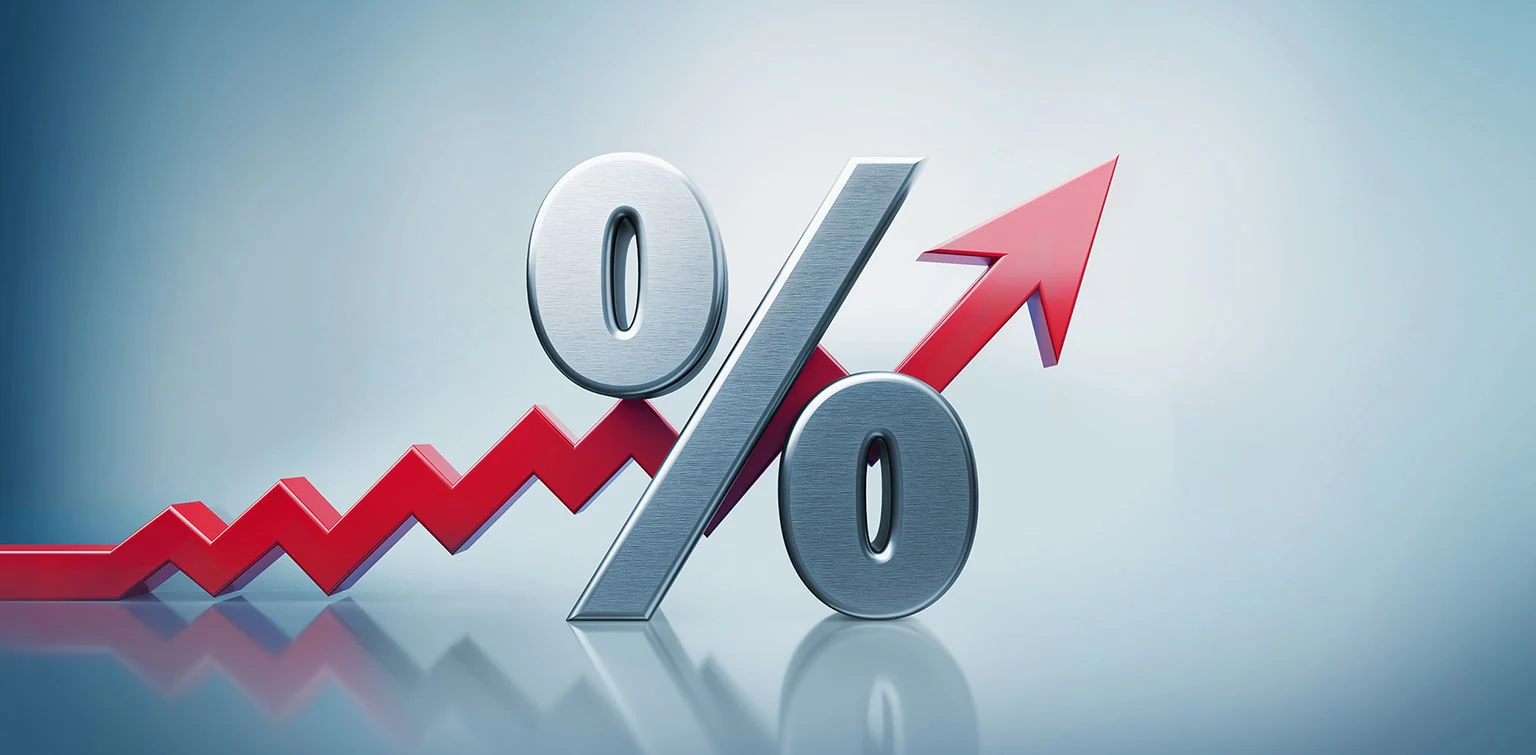
How Do Rising Interest Rates Affect My Budget?
Rising interest rates can affect your budget in several ways, from increasing the cost of borrowing to changing how much you earn on your savings. The impact depends on your debts, savings, income, and the types of financial products you use.
Understanding these effects can help you adjust your spending, protect your cash flow, and make better financial decisions when interest rates increase.
What Happens When Interest Rates Rise?
Interest rates influence the cost of borrowing money and the return you receive on certain savings and investments. When rates rise, new loans and some existing variable-rate debts generally become more expensive.
At the same time, banks and financial institutions may offer higher rates on savings accounts, certificates of deposit, and other interest-bearing products.
This means rising rates can have both negative and positive effects on your budget. If you have significant debt, you may see your monthly expenses increase. If you have substantial savings, you may earn more interest.
Higher Monthly Loan Payments
One of the most noticeable effects of rising interest rates is higher borrowing costs.
If you have a variable-rate loan, your interest rate may increase as market rates rise. Depending on the loan terms, this can increase your required monthly payment or cause a larger portion of your payment to go toward interest.
For example, suppose you have a variable-rate loan with a balance of $20,000. If the interest rate rises significantly, the amount of interest charged over time can increase, leaving less of your payment available to reduce the principal.
Fixed-rate loans are generally less immediately affected because their interest rate is locked in for a specified period. However, if you refinance or take out a new loan, you may face a higher rate.
Credit Cards Can Become More Expensive
Credit card debt can be particularly sensitive to rising interest rates because many credit cards have variable interest rates.
If your card's annual percentage rate (APR) increases, carrying a balance from month to month becomes more expensive. Even if you continue making the same purchases, your interest charges can increase.
For example, if you carry a large balance and only make minimum payments, a higher rate can increase the total amount you eventually pay and potentially extend the time needed to become debt-free.
If rates are rising, paying down high-interest credit card balances can become an especially important budget priority.
Mortgages May Affect Your Budget Differently
The effect of rising interest rates on your mortgage depends largely on whether you have a fixed-rate or adjustable-rate mortgage.
With a fixed-rate mortgage, your interest rate generally stays the same for the duration of the loan. Rising market rates therefore don't normally change your existing principal-and-interest payment.
However, people shopping for a new home may face higher mortgage rates, which can make the same home more expensive to finance.
Adjustable-rate mortgages can respond more directly to changing interest rates. When the loan's rate resets, your monthly payment could increase, depending on the terms of the mortgage and how much market rates have changed.
Auto and Personal Loans May Cost More
Higher interest rates can also affect car loans and personal loans. New borrowers may find that lenders charge higher rates, increasing the total cost of financing.
Suppose you are planning to purchase a vehicle and finance it over several years. A higher interest rate can increase both your monthly payment and the total interest paid over the life of the loan.
This may require you to reconsider your purchase price, loan term, down payment, or whether borrowing is the right choice at that time.
Your Savings May Earn More
Rising interest rates aren't necessarily bad for your entire budget. If you have money in an interest-bearing savings account, you may benefit from higher rates.
For example, if you keep $10,000 in a savings account, an increase in the account's annual interest rate can produce more interest income over time.
However, not every savings account automatically passes higher market rates to customers. Some traditional savings accounts may offer relatively low rates even when overall interest rates rise.
Comparing savings accounts and other deposit products can help you determine whether your money is earning a competitive return.
Your Emergency Fund Becomes More Valuable
An emergency fund can become particularly useful when borrowing costs are high.
If an unexpected expense occurs, having cash available may allow you to pay for it without relying on a credit card or high-interest loan. This can prevent an emergency from turning into expensive long-term debt.
If your emergency savings earn interest, rising rates may also increase the income generated by those funds.
Rising Rates Can Change Your Spending Priorities
When debt payments increase, you may need to adjust your monthly spending.
For example, imagine your monthly budget includes:
-
$1,500 for housing
-
$400 for transportation
-
$500 for debt payments
-
$600 for groceries and household expenses
-
$500 for savings
-
$500 for entertainment and other spending
If higher rates increase your debt payments by $150 per month, you have several choices. You could reduce discretionary spending, temporarily lower your savings contribution, increase your income, or restructure your debt.
The important point is to recognize the change early rather than allowing higher payments to create a persistent budget shortfall.
How to Adjust Your Budget
If interest rates are rising, consider reviewing your budget with particular attention to debt and savings.
1. List Your Variable-Rate Debts
Identify credit cards, adjustable-rate loans, home equity lines of credit, and other debts whose rates can change.
Knowing which balances are most exposed to rising rates helps you estimate potential increases in your expenses.
2. Prioritize High-Interest Debt
Consider focusing extra payments on debts with the highest interest rates, particularly credit card balances.
Reducing the principal can lower future interest charges and make your monthly budget more manageable.
3. Review Your Savings Rates
Check the interest rate you're receiving on your savings. If your account's rate is significantly below competitive alternatives, you may want to investigate other options that fit your needs.
Consider factors such as fees, withdrawal restrictions, minimum balances, and account safety rather than choosing an account based solely on its advertised rate.
4. Reconsider New Borrowing
Higher rates can make borrowing more expensive. Before taking on a new loan, calculate the total cost and consider whether you can afford the payment if rates remain elevated.
For major purchases, increasing your down payment or choosing a less expensive option may reduce the amount you need to borrow.
5. Leave Room in Your Budget
Avoid building a budget that works only under ideal conditions. Keeping some flexibility can help you handle higher loan payments, unexpected expenses, or other changes in your financial situation.
The Bottom Line
Rising interest rates can put pressure on your budget by increasing the cost of variable-rate debt and making new borrowing more expensive. At the same time, they can benefit savers by increasing the potential return on interest-bearing accounts.
The overall effect depends on whether you are primarily a borrower, a saver, or both. If you have substantial high-interest debt, rising rates may require you to prioritize debt repayment and reduce unnecessary expenses. If you have significant savings, you may have an opportunity to earn more interest.
The best response is to review your budget, understand which of your financial products are affected by changing rates, and make adjustments before higher costs become a problem. A flexible budget, manageable debt, and adequate savings can make it easier to navigate periods of rising interest rates.
- Arts
- Business
- Computers
- Παιχνίδια
- Health
- Κεντρική Σελίδα
- Kids and Teens
- Money
- News
- Personal Development
- Recreation
- Regional
- Reference
- Science
- Shopping
- Society
- Sports
- Бизнес
- Деньги
- Дом
- Досуг
- Здоровье
- Игры
- Искусство
- Источники информации
- Компьютеры
- Личное развитие
- Наука
- Новости и СМИ
- Общество
- Покупки
- Спорт
- Страны и регионы
- World

 English
 Russian
 French
 Spanish
 Portuguese
 Deutsch
 Turkish
 Dutch
Dutch
 Italiano
 Arabic
 Romaian
 Portuguese (Brazil)