
How do higher interest rates affect my finances?
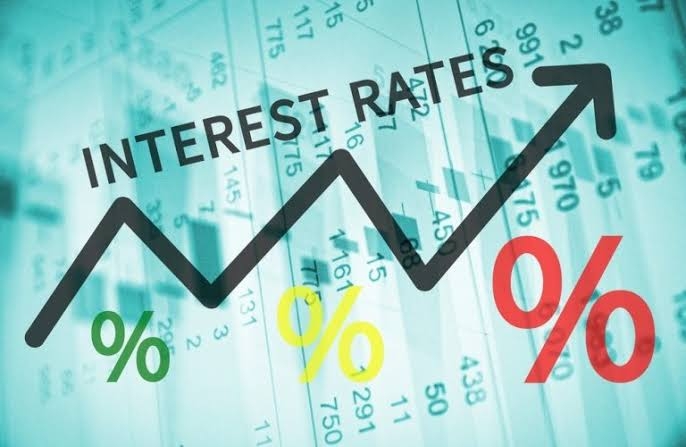
How Do Higher Interest Rates Affect My Finances?
Interest rates affect many parts of your financial life, from the cost of borrowing money to the amount you can earn on savings. When interest rates rise, the effects can be mixed: borrowers generally pay more, while savers may have opportunities to earn more interest.
Understanding how higher rates affect your finances can help you adjust your budget, manage debt, and make better decisions about saving and investing.
What Happens When Interest Rates Rise?
Higher interest rates increase the cost of borrowing and can increase the return available on certain savings products. The impact depends largely on whether you are a borrower, saver, or both.
For example, someone with a variable-rate loan may see their monthly payment increase, while someone with money in a high-yield savings account may earn more interest.
The effects can also extend to mortgages, credit cards, car loans, investments, and everyday spending.
Higher Interest Rates Can Make Borrowing More Expensive
One of the most immediate effects of higher interest rates is that loans can become more expensive.
If you apply for a new loan when rates are higher, you may receive a higher interest rate than you would have previously. This can increase both your monthly payment and the total amount of interest paid over the life of the loan.
For example, suppose you borrow $20,000 for a car. A higher interest rate could add hundreds or even thousands of dollars to the total cost of financing, depending on the loan term.
Higher rates can affect:
-
Personal loans
-
Auto loans
-
Mortgages
-
Student loans with variable rates
-
Lines of credit
-
Credit cards
Before taking on new debt, compare interest rates and consider whether you can afford the payment under less favorable conditions.
Credit Card Debt Can Become More Expensive
Credit cards can be particularly sensitive to rising interest rates because many cards have variable annual percentage rates (APRs).
If you carry a balance from month to month, a higher rate means more of your payment may go toward interest rather than reducing the principal.
For example, if you have a large credit card balance and the APR increases, paying only the minimum could cause the debt to take longer to repay and cost significantly more in interest.
If rates are rising, paying down high-interest credit card debt can be one of the most effective ways to protect your finances.
Variable-Rate Loans May Cost More
Not all loans respond to rising interest rates in the same way.
A fixed-rate loan generally keeps the same interest rate for the agreed period. If you already have a fixed-rate mortgage, for example, rising market rates typically do not change your existing mortgage payment.
A variable-rate loan, however, can become more expensive when its underlying interest rate increases.
If you have variable-rate debt, check your loan agreement to understand when and how your rate can change. Even a relatively small increase can affect your monthly budget.
Mortgages Can Become Less Affordable
Higher interest rates can affect both current and prospective homeowners.
If you already have a fixed-rate mortgage, your interest rate generally remains unchanged. However, homeowners with adjustable-rate mortgages may see their payments increase when the rate resets.
For people shopping for a home, higher mortgage rates can reduce purchasing power. The same home may require a significantly larger monthly payment when financed at a higher interest rate.
Higher rates may also influence home prices because some buyers can no longer afford to borrow as much. However, housing markets respond to many factors, so prices do not necessarily move in a predictable direction.
Your Savings May Earn More
The positive side of higher interest rates is that savers may receive better returns.
Banks and other financial institutions may increase the rates offered on products such as:
-
Savings accounts
-
High-yield savings accounts
-
Certificates of deposit (CDs)
-
Money market accounts
-
Some bonds
For example, if you keep $10,000 in an account earning 1% annually, you would earn roughly $100 in interest before taxes, assuming a constant balance and ignoring compounding. At 4%, the same balance could earn roughly $400.
However, not every bank increases deposit rates equally. If your savings account continues paying a very low rate while competing accounts offer significantly more, shopping around could make a meaningful difference.
Higher Rates Can Help Your Emergency Fund
An emergency fund is generally intended to be accessible and relatively stable rather than aggressively invested.
When interest rates rise, you may be able to keep your emergency savings in a competitive interest-bearing account and earn more without taking significant investment risk.
This does not eliminate the need to compare account terms. Look at the interest rate, fees, minimum balance requirements, withdrawal restrictions, and whether the institution is appropriately insured.
Investments Can Be Affected
Higher interest rates can also influence investments.
When rates rise, newly issued bonds may offer higher yields. However, existing bonds with lower interest rates can become less attractive, which can cause their market prices to fall.
Stock markets can also respond to higher rates. Higher borrowing costs can increase expenses for businesses and reduce consumer spending, potentially affecting company profits. At the same time, higher rates can make interest-bearing investments more attractive compared with stocks.
The actual effect varies by investment, industry, economic conditions, and expectations about future interest rates.
For long-term investors, it is generally better to focus on an appropriate asset allocation and investment strategy rather than making decisions based solely on short-term rate movements.
Everyday Expenses Can Be Affected
Higher interest rates do not necessarily increase the price of every product or service directly. However, they can influence the broader economy.
When borrowing becomes more expensive, consumers and businesses may spend less. Businesses may also face higher financing costs. These changes can affect economic growth, employment, investment, and consumer demand.
Interest rates are also often changed in response to inflation and economic conditions. As a result, higher rates may occur alongside other changes in the prices of goods and services.
How to Protect Your Finances When Rates Rise
If interest rates are increasing, consider taking a closer look at both your debts and your savings.
1. Prioritize high-interest debt
Paying down expensive credit card or variable-rate debt can reduce the amount of interest you pay. Consider directing extra money toward your highest-rate debt while continuing to make required payments on other balances.
2. Review your loans
Check whether your loans have fixed or variable rates. If you have variable-rate debt, understand how much your payment could increase.
For new borrowing, compare multiple lenders and look beyond the advertised interest rate. Consider fees, repayment terms, and the total cost of the loan.
3. Shop around for savings accounts
If your bank pays little interest on your savings, compare alternatives. Even a small difference in annual yield can become significant as your balance grows.
4. Consider locking in rates when appropriate
Certificates of deposit and other fixed-rate products may allow you to lock in a rate for a specified period. This can provide predictable returns, although you may give up some flexibility or face penalties for early withdrawals.
5. Keep an adequate emergency fund
Don't take unnecessary investment risk simply to earn a higher return on money you may need soon. Your emergency savings should generally prioritize accessibility and stability.
6. Reconsider large purchases
If financing becomes substantially more expensive, postponing a major purchase may be worth considering. Calculate the complete monthly cost rather than focusing only on the purchase price.
The Bottom Line
Higher interest rates can have both positive and negative effects on your finances. Borrowers generally face higher costs, while savers may have opportunities to earn more.
If you have significant debt, rising rates are a reason to review your loans, reduce expensive balances, and avoid taking on unnecessary borrowing. If you have substantial savings, higher rates may create opportunities to improve your interest income.
The most useful approach is to look at your entire financial picture. Compare what you pay in interest with what you earn, understand which of your rates are fixed or variable, maintain appropriate emergency savings, and adjust your financial strategy as economic conditions change.
- Arts
- Business
- Computers
- Spiele
- Health
- Startseite
- Kids and Teens
- Geld
- News
- Personal Development
- Recreation
- Regional
- Reference
- Science
- Shopping
- Society
- Sports
- Бизнес
- Деньги
- Дом
- Досуг
- Здоровье
- Игры
- Искусство
- Источники информации
- Компьютеры
- Личное развитие
- Наука
- Новости и СМИ
- Общество
- Покупки
- Спорт
- Страны и регионы
- World

 English
 Russian
 French
 Spanish
 Portuguese
 Turkish
 Dutch
Dutch
 Italiano
 Arabic
 Romaian
 Portuguese (Brazil)
 Greek
Greek