
What is the difference between domestic and international economics?
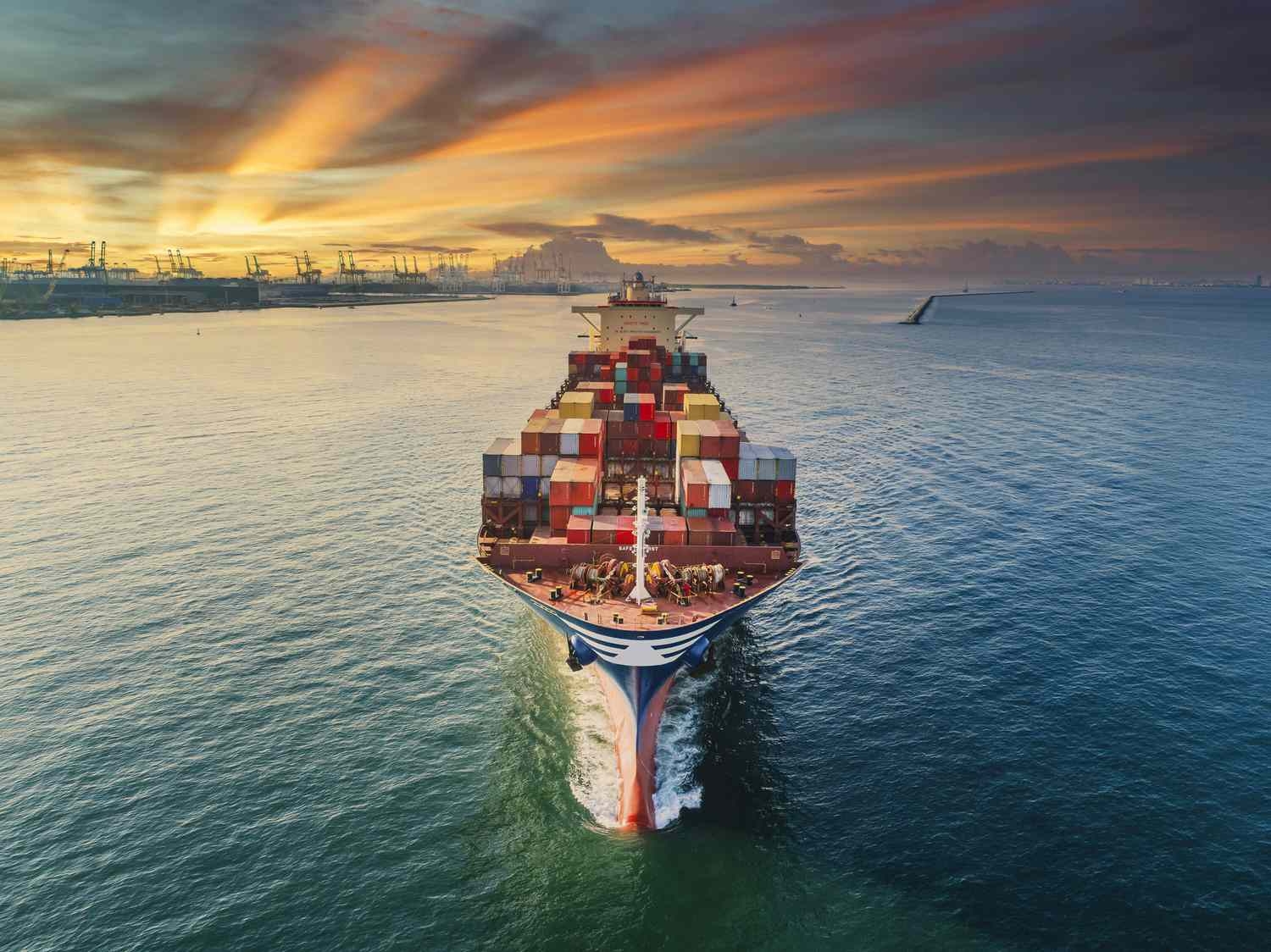
What Is the Difference Between Domestic and International Economics?
Economics is the study of how individuals, businesses, governments, and societies use limited resources to satisfy unlimited wants. Because economic activity can take place within a country or across national borders, economics is often divided into domestic economics and international economics. Although both areas examine production, consumption, markets, prices, income, and resource allocation, they differ significantly in their scope and the economic relationships they study.
Understanding the difference between domestic and international economics is important because modern economies are closely connected through trade, investment, finance, technology, and migration.
What Is Domestic Economics?
Domestic economics refers to the study of economic activities that take place within the boundaries of a single country. It focuses on how individuals, businesses, and the government interact within the country's own economic system.
Domestic economics examines issues such as employment, inflation, production, consumption, taxation, government spending, interest rates, and economic growth. For example, the study of how changes in a country's interest rates affect domestic businesses and consumers is part of domestic economics.
Domestic economics can include both microeconomics and macroeconomics. Microeconomics examines individual consumers, firms, and markets, while macroeconomics considers the economy as a whole.
Important areas of domestic economics include:
-
Consumer behavior and household spending
-
Business production and investment
-
Employment and unemployment
-
Inflation and price levels
-
Domestic taxation
-
Government expenditure
-
Interest rates
-
National income
-
Economic growth
-
Distribution of income and wealth
The primary concern is understanding and improving the economic performance of a country's internal economy.
What Is International Economics?
International economics studies economic relationships between different countries. It focuses on how nations interact through trade, investment, finance, and the movement of goods, services, and resources across borders.
International economics addresses questions such as: Why do countries trade? What determines exchange rates? How do tariffs affect imports and exports? Why do countries specialize in producing certain goods? How does foreign investment affect economic growth?
Major areas of international economics include:
-
International trade
-
Imports and exports
-
Comparative advantage
-
Exchange rates
-
Balance of payments
-
International investment
-
Trade policies and tariffs
-
International financial markets
-
Global economic integration
-
International economic organizations
genui{"economics_markets":{"type_id":"COMPARATIVE_ADVANTAGE_TRADE"}}
For example, if one country can produce agricultural products relatively efficiently while another is better at manufacturing machinery, international trade can allow both countries to specialize and exchange goods. This specialization is an important subject within international economics.
Key Differences Between Domestic and International Economics
The most important differences between the two can be understood by comparing their areas of focus.
| Basis | Domestic Economics | International Economics |
|---|---|---|
| Scope | Economic activities within one country | Economic activities between countries |
| Main focus | Internal production, consumption, employment, and markets | Trade, investment, finance, and economic relations across borders |
| Currency | Generally concerned with one national currency | Deals with multiple currencies and exchange rates |
| Trade | Focuses mainly on domestic trade | Focuses on imports, exports, and international trade |
| Government policies | Domestic taxation, spending, monetary policy, and regulation | Trade policy, tariffs, quotas, exchange-rate policies, and international agreements |
| Economic barriers | Usually fewer barriers within a country | Tariffs, quotas, regulations, and border restrictions may exist |
| Movement of resources | Resources generally move within national borders | Labor, capital, and other resources may move across borders |
| Economic institutions | Mainly domestic institutions | Includes international institutions and agreements |
| Major risks | Domestic inflation, unemployment, and economic instability | Exchange-rate changes, trade disputes, global crises, and external shocks |
Difference in Economic Environment
One of the biggest differences is the economic environment in which activities occur. Domestic economics generally operates within a single legal, political, and monetary system. Businesses and consumers usually follow the same national laws and use the same currency.
International economics is more complicated because different countries have different laws, currencies, tax systems, regulations, political conditions, and economic policies. A company selling products internationally must therefore consider not only demand and production costs but also foreign regulations, exchange rates, tariffs, and political conditions.
Difference in Currency
Currency is another important distinction. Domestic economic transactions generally take place using the country's national currency. A business operating entirely within one country does not normally need to convert its revenue into another currency.
International transactions, however, often involve two or more currencies. For example, an exporter may sell products in euros while paying some production costs in another currency. Changes in exchange rates can therefore affect the profitability and competitiveness of international businesses.
Exchange rates are consequently a major subject of international economics but are much less central to purely domestic economic analysis.
Difference in Trade
Domestic economics mainly examines trade within a country's internal market. International economics, by contrast, specifically studies trade between countries.
International trade allows countries to obtain products that may be expensive or difficult to produce domestically. It also gives producers access to larger markets. However, international trade can create challenges, including competition from foreign producers, trade deficits, tariffs, and disputes over trade policies.
Difference in Government Policies
Domestic and international economics also differ in the types of government policies they emphasize.
Domestic economic policy includes decisions about taxation, government spending, interest rates, public services, and employment. Governments may use these policies to encourage economic growth, control inflation, or reduce unemployment.
International economic policy includes tariffs, import quotas, export incentives, trade agreements, capital controls, and exchange-rate policies. Governments may use these measures to protect domestic industries, encourage exports, or manage international economic relationships.
Difference in Economic Problems
Domestic economies commonly face problems such as unemployment, inflation, poverty, income inequality, and slow economic growth.
International economics deals with these issues as well, but it also examines problems that arise from interactions between countries. These include trade imbalances, currency instability, international debt, financial crises, protectionism, and economic dependence between nations.
For example, a recession in one major economy may reduce its demand for imports, affecting exporters in other countries. This demonstrates how international economic relationships can transmit economic problems across borders.
Relationship Between Domestic and International Economics
Although domestic and international economics are different branches of study, they are closely connected. In today's globalized economy, it is difficult to completely separate a country's domestic economy from the international economy.
For example, domestic businesses may depend on imported raw materials, foreign technology, or international investment. Consumers may purchase products manufactured abroad, while domestic companies may earn revenue by exporting goods and services.
Similarly, international developments can influence domestic economic conditions. A change in global energy prices may affect domestic inflation. A change in foreign interest rates may influence capital flows and exchange rates. A global financial crisis can affect employment, investment, and economic growth within individual countries.
Therefore, understanding domestic economic conditions often requires an awareness of international economic developments.
Why the Difference Matters
The distinction between domestic and international economics is useful for governments, businesses, investors, and consumers.
Governments need domestic economic analysis to design policies concerning employment, inflation, taxation, and economic growth. At the same time, they need international economic analysis to develop effective trade policies, manage exchange rates, attract foreign investment, and respond to global economic changes.
Businesses operating internationally must understand both areas. They need knowledge of domestic demand and production costs while also considering foreign markets, currencies, trade regulations, and international competition.
Students and researchers also benefit from distinguishing the two fields because it helps them understand how national economies operate independently and how they interact with one another.
Conclusion
The main difference between domestic economics and international economics lies in the scope of economic activity they examine. Domestic economics focuses primarily on economic activities and policies within a single country, while international economics studies economic relationships and transactions between countries.
Domestic economics deals heavily with issues such as employment, inflation, production, consumption, taxation, and economic growth. International economics focuses more on international trade, exchange rates, foreign investment, balance of payments, and global economic relationships.
Despite these differences, the two fields are increasingly interconnected. Globalization has made countries more dependent on one another through trade, investment, technology, finance, and supply chains. As a result, understanding both domestic and international economics is essential for understanding how modern economies function and how economic decisions in one country can affect people and businesses around the world.
- Arts
- Business
- Computers
- Jogos
- Health
- Início
- Kids and Teens
- Money
- News
- Personal Development
- Recreation
- Regional
- Reference
- Science
- Shopping
- Society
- Sports
- Бизнес
- Деньги
- Дом
- Досуг
- Здоровье
- Игры
- Искусство
- Источники информации
- Компьютеры
- Личное развитие
- Наука
- Новости и СМИ
- Общество
- Покупки
- Спорт
- Страны и регионы
- World

 English
 Russian
 French
 Spanish
 Portuguese
 Deutsch
 Turkish
 Dutch
Dutch
 Italiano
 Arabic
 Romaian
 Greek
Greek