
What are the main topics in international economics?
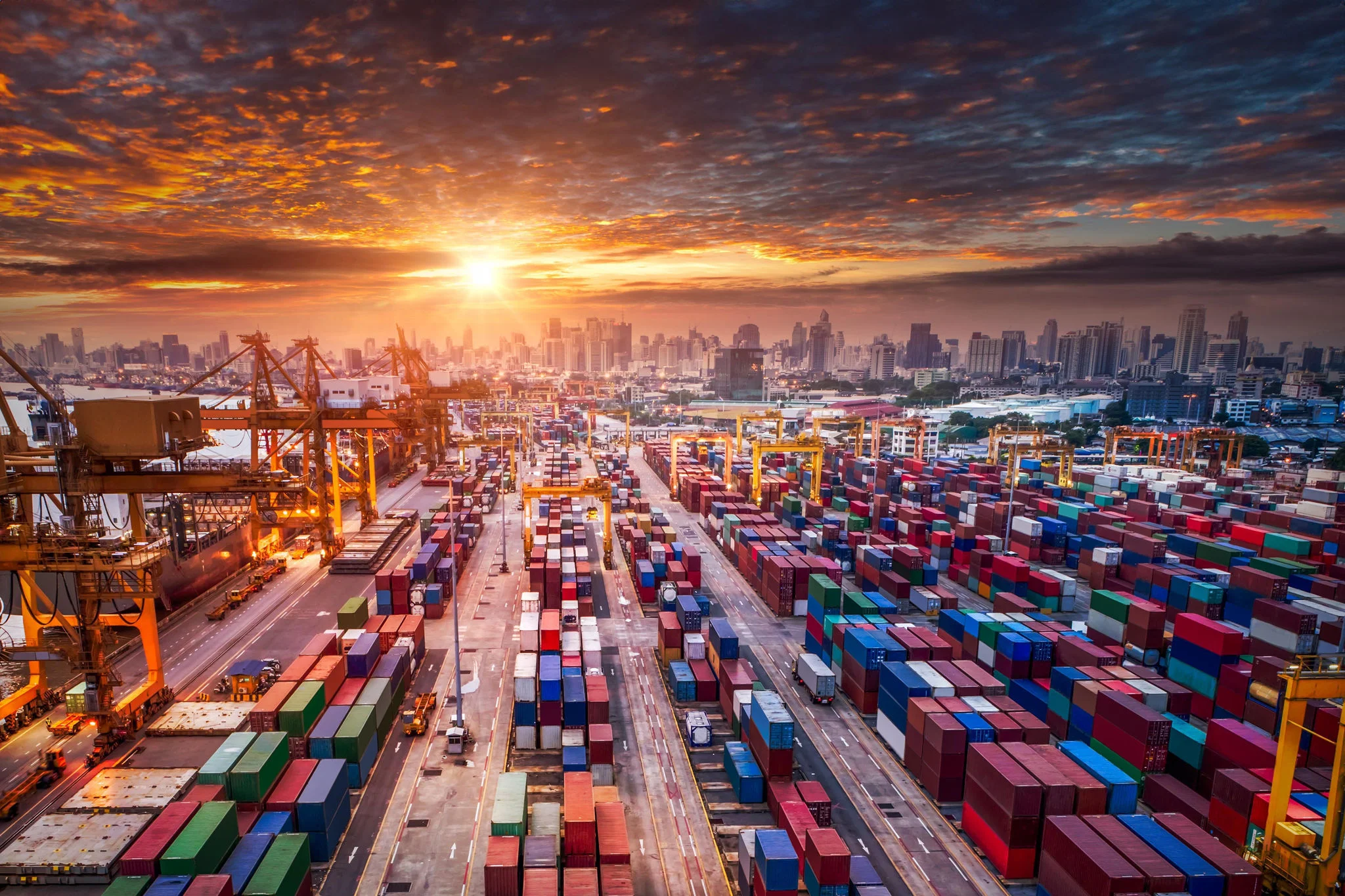
What Are the Main Topics in International Economics?
International economics is the branch of economics that studies economic interactions between countries. As nations become increasingly connected through trade, investment, finance, technology, and migration, understanding international economics has become essential for governments, businesses, students, and consumers.
International economics generally focuses on two broad areas: international trade and international finance. Within these areas are several important topics that explain how countries exchange goods and services, determine exchange rates, manage international payments, and respond to global economic changes.
1. International Trade
International trade is one of the most important topics in international economics. It examines the buying and selling of goods and services between countries.
Countries trade because they differ in their natural resources, technology, labor skills, capital, and production costs. International trade allows countries to specialize in producing goods and services in which they are relatively more efficient and then exchange them for products produced elsewhere.
A central concept is comparative advantage, which explains why countries can benefit from specialization and trade even when one country is more productive in producing every good.
International trade can increase consumer choice, lower prices, expand markets for businesses, and encourage economic growth.
2. Trade Theories
International economics examines several theories that explain why countries trade and what determines the pattern of trade.
Classical theories include absolute advantage and comparative advantage. Modern theories consider factors such as differences in resources, economies of scale, technology, consumer preferences, and market structure.
These theories help economists understand why a country exports certain products while importing others.
3. Trade Policies
Governments often influence international trade through policies and regulations. Trade policy studies these government interventions and their effects on economies.
Common trade restrictions include:
-
Tariffs: Taxes imposed on imported goods.
-
Quotas: Limits on the quantity of a product that can be imported.
-
Subsidies: Government support given to domestic producers.
-
Import regulations: Rules that affect foreign products entering a country.
-
Trade agreements: Arrangements designed to reduce barriers between participating countries.
Trade policies can protect domestic industries and employment, but they can also increase prices and reduce competition. International economics examines these benefits and costs.
4. Balance of Payments
The balance of payments records a country's economic transactions with the rest of the world over a particular period.
It includes transactions involving goods and services, investment income, financial investments, and transfers. The major components include the current account and the financial account.
Studying the balance of payments helps economists understand whether a country is receiving more money from international transactions than it is sending abroad and how international financial flows affect its economy.
5. Exchange Rates
Another major topic is the exchange rate, which represents the value of one country's currency in terms of another country's currency.
For example, exchange rates determine how many units of one currency are needed to purchase another currency. Changes in exchange rates can significantly affect international trade.
When a country's currency becomes relatively cheaper, its exports may become more affordable to foreign buyers, while imports may become more expensive. When its currency appreciates, the opposite can occur.
Economists study both fixed exchange-rate systems and floating exchange-rate systems, as well as systems that combine elements of both.
6. Foreign Exchange Markets
The foreign exchange market is where currencies are bought and sold. It plays a crucial role in international trade and investment because businesses and individuals often need to convert one currency into another.
The foreign exchange market is influenced by interest rates, inflation, economic growth, expectations, international trade, investment flows, and government policies.
Understanding this market is particularly important for companies that conduct business across national borders because exchange-rate changes can affect their revenues and costs.
7. International Monetary Systems
International economics also studies the systems and institutions that govern international monetary relationships.
Historically, the global economy has operated under different monetary arrangements, including the gold standard and the Bretton Woods system. Today, most major currencies operate under floating or managed exchange-rate systems.
International monetary economics examines how countries coordinate monetary policies, deal with currency crises, and maintain financial stability.
8. International Capital Flows and Investment
Countries do not only trade goods and services; they also exchange capital. International capital flows occur when money moves across borders for investment and other financial purposes.
One important form is foreign direct investment (FDI), in which a company invests in or establishes business operations in another country. Another is portfolio investment, where investors purchase foreign stocks, bonds, or other financial assets.
International investment can provide developing economies with capital, technology, skills, and employment. However, large and sudden capital movements can also create financial instability.
9. International Financial Markets
International economics studies global financial markets, including markets for currencies, bonds, stocks, and other financial assets.
Global financial markets allow governments, companies, banks, and investors to raise and move capital internationally. Greater financial integration can increase investment opportunities and economic growth, but it can also allow financial problems in one country to spread rapidly to others.
10. Economic Integration
Economic integration occurs when countries cooperate to reduce barriers to economic activity between them.
Forms of economic integration include:
-
Free trade areas
-
Customs unions
-
Common markets
-
Economic unions
-
Monetary unions
Regional arrangements can increase trade and investment by reducing tariffs and other barriers. They can also create larger markets for businesses and increase competition.
11. Globalization
Globalization is another major topic closely connected to international economics. It refers to the increasing integration of national economies through trade, investment, technology, finance, and communication.
Globalization has enabled companies to operate across multiple countries and has connected consumers to products from around the world. It can increase economic opportunities and efficiency, but it can also create concerns about inequality, employment, environmental effects, and dependence on international markets.
12. International Economic Organizations
International economics examines the role of organizations that support international economic cooperation.
Important institutions include the International Monetary Fund (IMF), the World Bank, and the World Trade Organization (WTO). These organizations have different responsibilities involving financial stability, development, trade rules, and international economic cooperation.
Their activities can influence economic policies and relationships between countries.
13. International Economic Development
International economics also considers why some countries have higher incomes and living standards than others.
Development economics examines issues such as poverty, inequality, education, infrastructure, health, productivity, technological progress, and access to capital.
International trade and investment can contribute to development, but their effects depend on domestic institutions, government policies, human capital, infrastructure, and other factors.
14. International Migration
The movement of workers across national borders is another important international economic issue. Economists study why people migrate, how migration affects wages and employment, and how countries benefit from or face challenges associated with international labor mobility.
Migration can help countries address labor shortages and can provide workers with greater employment opportunities. At the same time, it can raise policy questions involving wages, public services, and the movement of skilled workers.
15. Global Economic Policy
Finally, international economics studies how governments respond to global economic challenges. Countries must often consider how domestic policies affect international markets and how international developments affect their own economies.
Issues such as inflation, financial crises, trade disputes, energy prices, supply-chain disruptions, and global recessions can cross national borders. Effective economic policy therefore often requires international cooperation.
Conclusion
International economics covers a wide range of topics involving economic relationships between countries. Its major areas include international trade, comparative advantage, trade policies, exchange rates, balance of payments, foreign exchange markets, international investment, financial markets, economic integration, globalization, development, migration, and international economic institutions.
Understanding these topics helps explain how modern economies are connected and why economic decisions in one country can affect businesses, governments, and consumers elsewhere. As international trade and financial connections continue to expand, international economics remains an essential field for understanding the opportunities and challenges of the global economy.
- Arts
- Business
- Computers
- Oyunlar
- Health
- Home
- Kids and Teens
- Money
- News
- Personal Development
- Recreation
- Regional
- Reference
- Science
- Shopping
- Society
- Sports
- Бизнес
- Деньги
- Дом
- Досуг
- Здоровье
- Игры
- Искусство
- Источники информации
- Компьютеры
- Личное развитие
- Наука
- Новости и СМИ
- Общество
- Покупки
- Спорт
- Страны и регионы
- World

 English
 Russian
 French
 Spanish
 Portuguese
 Deutsch
 Dutch
Dutch
 Italiano
 Arabic
 Romaian
 Portuguese (Brazil)
 Greek
Greek