
Why is international economics important?
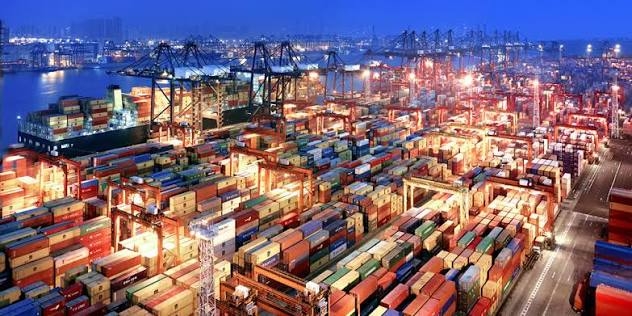
Why Is International Economics Important?
International economics is the study of how countries, businesses, and individuals interact economically across national borders. It examines international trade, investment, exchange rates, globalization, economic policies, and the movement of goods, services, capital, and technology between countries. In an increasingly connected world, international economics is important because the economic decisions of one country can have significant effects on others.
From the products people buy to the jobs businesses create and the prices consumers pay, international economic relationships influence everyday life. Understanding international economics helps governments, businesses, and individuals make better decisions in a global economy.
1. It Promotes International Trade
One of the most important reasons international economics matters is that it explains the benefits and challenges of international trade. Countries have different natural resources, technologies, labor skills, climates, and production capabilities. As a result, they can specialize in producing goods and services they are relatively efficient at producing and trade with other countries for products they need.
For example, a country with favorable conditions for agriculture may export food while importing machinery from a country with a strong manufacturing sector. This specialization can increase overall production and give consumers access to a wider range of products.
International economics helps explain concepts such as comparative advantage, which shows why countries can benefit from trading even when one country is more productive in producing many goods.
2. It Supports Economic Growth
International economic activity can contribute significantly to economic growth. Exports allow businesses to reach larger markets, increasing sales and production. International investment can provide businesses with additional capital, while foreign technology and knowledge can improve productivity.
Developing countries, in particular, can benefit from international trade and investment by gaining access to technologies, markets, skills, and financial resources that may not be readily available domestically.
As businesses expand into international markets, they may create employment opportunities and contribute to higher incomes and government revenues.
3. It Helps Consumers
International economics also affects consumers directly. International trade allows people to purchase products that may not be produced domestically or that would be more expensive to produce locally.
For instance, consumers may purchase electronics manufactured in Asia, coffee grown in South America, or vehicles assembled using components from several different countries. Competition between domestic and foreign producers can also encourage businesses to improve quality and offer competitive prices.
Therefore, international economic relationships can increase consumer choice and contribute to better products and services.
4. It Explains Exchange Rates
Exchange rates are another major subject of international economics. An exchange rate determines how much one country's currency is worth in terms of another country's currency.
Exchange-rate movements can affect international trade, tourism, investment, inflation, and the cost of imported goods. If a country's currency becomes weaker, its exports may become less expensive for foreign buyers, while imports can become more expensive for domestic consumers.
Understanding exchange rates is particularly important for companies that buy or sell products internationally. It also matters to travelers, investors, and governments.
5. It Helps Governments Make Better Policies
Governments must make decisions about tariffs, trade agreements, imports, exports, foreign investment, exchange rates, and international financial relationships. International economics provides the concepts and evidence needed to evaluate these policies.
For example, governments may impose tariffs to protect domestic industries from foreign competition. However, tariffs can also increase the prices of imported goods and potentially lead to retaliation from trading partners.
By studying international economics, policymakers can better understand the potential benefits and costs of different approaches.
6. It Encourages Global Investment
International economics helps explain foreign direct investment and other forms of international capital movement. Businesses often invest in other countries to access new customers, resources, workers, technology, or production opportunities.
Foreign investment can provide developing economies with capital, employment, management expertise, and new technologies. At the same time, investors face risks such as political instability, currency fluctuations, regulatory changes, and differences in economic conditions.
Understanding these factors is essential for businesses and investors operating internationally.
7. It Helps Explain Globalization
Globalization has increased economic connections between countries. Modern businesses often operate across multiple countries, with raw materials sourced in one location, manufacturing conducted in another, and products sold around the world.
International economics helps explain both the opportunities and challenges created by globalization. It can lead to greater efficiency, expanded markets, technological exchange, and lower production costs. However, it can also create adjustment difficulties for workers and industries facing increased international competition.
Studying international economics allows societies to better understand these changes and develop policies that maximize benefits while addressing potential disadvantages.
8. It Helps Countries Manage Economic Problems
Economic problems rarely remain completely within national borders. A financial crisis, supply disruption, war, major change in commodity prices, or sudden decline in global demand can affect many economies.
International economics helps governments understand how economic shocks move between countries. It also highlights the importance of international cooperation through organizations, agreements, and coordinated policies.
For example, countries may cooperate to address financial instability, trade disputes, supply-chain disruptions, or international development challenges.
9. It Improves Business Decision-Making
Companies operating internationally must understand economic conditions in different countries. They need to consider consumer demand, exchange rates, trade regulations, labor costs, taxation, political risks, and competition.
International economics provides businesses with a framework for evaluating foreign markets and making decisions about exporting, importing, international production, and investment.
Even businesses that operate primarily in their domestic markets can be affected by international competition and changes in global prices.
10. It Promotes International Cooperation
Economic relationships can encourage countries to cooperate with one another. Trade agreements, international investment, and shared economic interests can create stronger connections between nations.
International cooperation can help countries establish common rules, reduce unnecessary trade barriers, resolve disputes, and promote economic stability. Although countries may have different economic interests, international economic institutions and agreements can provide mechanisms for cooperation.
Conclusion
International economics is important because modern economies are deeply connected. Trade, investment, exchange rates, globalization, technology, and international economic policies affect governments, businesses, and consumers around the world.
By studying international economics, we can understand why countries trade, how global markets operate, why currencies change in value, and how economic policies in one country can affect others. It also helps businesses make informed decisions and enables governments to respond more effectively to international opportunities and challenges.
Ultimately, international economics provides a framework for understanding the global economy. As countries become increasingly interconnected, knowledge of international economics is essential for making informed economic decisions and promoting sustainable growth and cooperation.
- Arts
- Business
- Computers
- Παιχνίδια
- Health
- Κεντρική Σελίδα
- Kids and Teens
- Money
- News
- Personal Development
- Recreation
- Regional
- Reference
- Science
- Shopping
- Society
- Sports
- Бизнес
- Деньги
- Дом
- Досуг
- Здоровье
- Игры
- Искусство
- Источники информации
- Компьютеры
- Личное развитие
- Наука
- Новости и СМИ
- Общество
- Покупки
- Спорт
- Страны и регионы
- World

 English
 Russian
 French
 Spanish
 Portuguese
 Deutsch
 Turkish
 Dutch
Dutch
 Italiano
 Arabic
 Romaian
 Portuguese (Brazil)