
What does international economics mean?
What Does International Economics Mean?
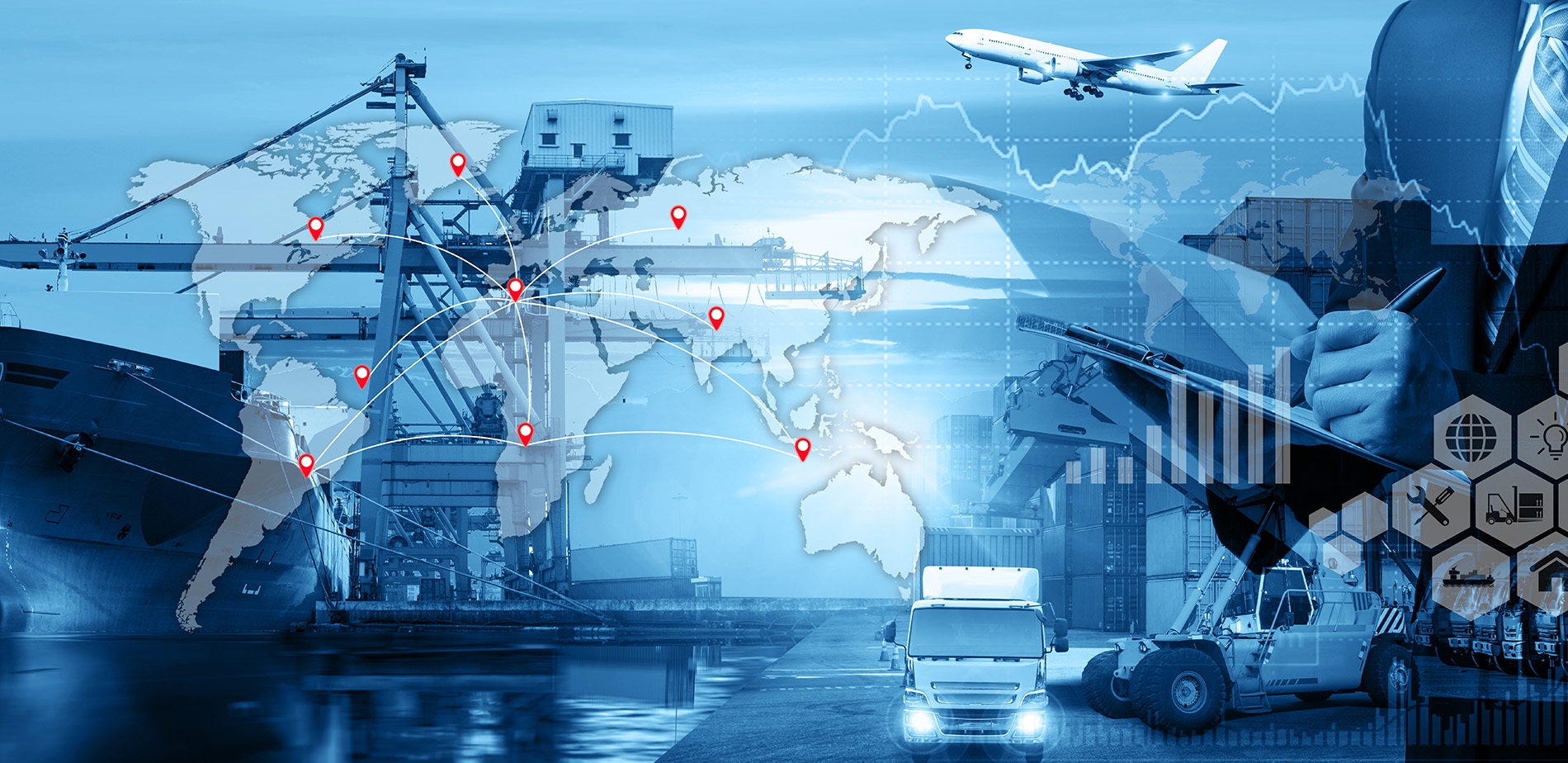
International economics is the branch of economics that studies how countries interact through trade, investment, finance, migration, and the exchange of goods and services. In an increasingly connected world, countries rarely operate as completely independent economies. Businesses sell products across borders, consumers purchase imported goods, governments establish trade policies, and financial markets transfer money between countries every day.
In simple terms, international economics explains the economic relationships between different countries and how these relationships affect production, prices, employment, income, and economic growth.
Meaning of International Economics
International economics applies economic principles to transactions and relationships that cross national borders. It examines why countries trade, what they trade, how exchange rates are determined, and how international economic policies influence national economies.
For example, a country may export automobiles, import crude oil, receive foreign investment, and borrow money from international financial institutions. All of these activities are part of international economics.
International economics is generally divided into two major areas:
-
International trade – the study of the exchange of goods and services between countries.
-
International finance – the study of international monetary transactions, exchange rates, capital flows, and financial markets.
Why Do Countries Trade?
One of the most important questions in international economics is why countries trade with one another. The main reason is that countries have different resources, technologies, climates, labor forces, and production capabilities.
For instance, one country may have an advantage in producing agricultural products because of its fertile land, while another may be better at manufacturing electronics because of its technology and skilled workforce.
The concept of comparative advantage explains why countries can benefit from specializing in goods and services they can produce relatively efficiently and trading for other products.
International trade allows countries to specialize, use resources more efficiently, increase the variety of products available to consumers, and potentially reduce prices.
Major Topics in International Economics
International economics covers several important topics.
1. International Trade
International trade involves the buying and selling of goods and services between countries. Exports are goods and services sold to foreign buyers, while imports are goods and services purchased from other countries.
Trade can create economic opportunities for businesses and workers while giving consumers access to products that may not be produced domestically.
2. Exchange Rates
An exchange rate represents the value of one country's currency relative to another country's currency. Exchange rates are important because international transactions often require currencies to be converted.
Changes in exchange rates can affect the prices of imports and exports. For example, if a country's currency becomes weaker, its exports may become cheaper for foreign buyers, while imported products may become more expensive for domestic consumers.
3. Balance of Payments
The balance of payments records a country's economic transactions with the rest of the world. It includes trade in goods and services, income flows, investments, and other international financial transactions.
The balance of payments helps economists understand how money enters and leaves an economy.
4. Trade Policies
Governments often influence international trade through policies such as tariffs, quotas, subsidies, and trade agreements.
A tariff is a tax imposed on imported goods. A quota limits the quantity of a particular product that can be imported. Governments may use these policies to protect domestic industries, support employment, or pursue strategic objectives.
However, trade restrictions can also increase prices and reduce consumer choice.
5. International Investment
International economics also studies the movement of capital across borders. Companies may invest in factories, offices, technology, or businesses in foreign countries.
Foreign investment can provide developing economies with capital, technology, employment opportunities, and access to international markets.
6. Economic Integration
Countries sometimes form economic partnerships to make trade and investment easier. Economic integration can involve agreements that reduce tariffs and other barriers to trade.
Examples include free-trade agreements, customs unions, common markets, and economic unions.
Importance of International Economics
International economics is important because modern economies are highly interconnected. A change in one country can affect businesses, consumers, and governments in many other countries.
International trade can increase economic efficiency by allowing countries to specialize. It can also expand markets for businesses, create employment opportunities, encourage competition, and provide consumers with a wider selection of goods and services.
International economics also helps explain global economic problems. Issues such as inflation, currency fluctuations, international debt, trade disputes, financial crises, and global supply-chain disruptions often require an understanding of economic relationships between countries.
Advantages of International Trade
International trade can provide several benefits:
-
Greater consumer choice: Consumers can purchase products from around the world.
-
Lower production costs: Countries can specialize in areas where they have an economic advantage.
-
Larger markets: Businesses can sell products to customers beyond their domestic markets.
-
Economic growth: Trade can support production, investment, and employment.
-
Technology transfer: International business relationships can help spread knowledge and technology.
-
Efficient resource allocation: Countries can concentrate resources on activities where they are relatively productive.
Challenges of International Economics
International economic relationships can also create challenges. Increased competition from foreign producers may put pressure on some domestic businesses and workers. Certain industries may decline when production shifts to countries with lower costs.
Countries can also become vulnerable to external shocks. A financial crisis, war, natural disaster, trade restriction, or supply-chain disruption in one region can affect production and prices elsewhere.
Another challenge is maintaining a balance between the benefits of globalization and the need to protect national economic interests. Governments must often consider employment, national security, environmental concerns, consumer welfare, and economic competitiveness when creating international economic policies.
International Economics and Globalization
International economics is closely connected to globalization. Globalization has increased the movement of goods, services, capital, technology, and information across national borders.
A product sold in one country may be designed in another, manufactured in several countries, assembled somewhere else, and distributed globally. This illustrates how deeply modern economies can be connected.
As globalization continues, understanding international economics becomes increasingly valuable for governments, businesses, students, investors, and consumers.
Conclusion
International economics is the study of economic relationships among countries. It examines international trade, exchange rates, investment, financial flows, trade policies, and economic integration.
Its central purpose is to help explain how countries interact economically and how those interactions influence national and global prosperity. By understanding concepts such as comparative advantage, international trade, exchange rates, and foreign investment, we can better understand how the global economy operates.
In today's interconnected world, international economics is not limited to governments and large corporations. Its effects can be seen in everyday life through the products people buy, the prices they pay, the jobs they hold, and the businesses they interact with. Understanding international economics therefore provides an important foundation for understanding the modern global economy.
- Arts
- Business
- Computers
- Giochi
- Health
- Home
- Kids and Teens
- Money
- News
- Personal Development
- Recreation
- Regional
- Reference
- Science
- Shopping
- Society
- Sports
- Бизнес
- Деньги
- Дом
- Досуг
- Здоровье
- Игры
- Искусство
- Источники информации
- Компьютеры
- Личное развитие
- Наука
- Новости и СМИ
- Общество
- Покупки
- Спорт
- Страны и регионы
- World

 English
 Russian
 French
 Spanish
 Portuguese
 Deutsch
 Turkish
 Dutch
Dutch
 Arabic
 Romaian
 Portuguese (Brazil)
 Greek
Greek