
How do tariffs affect businesses?
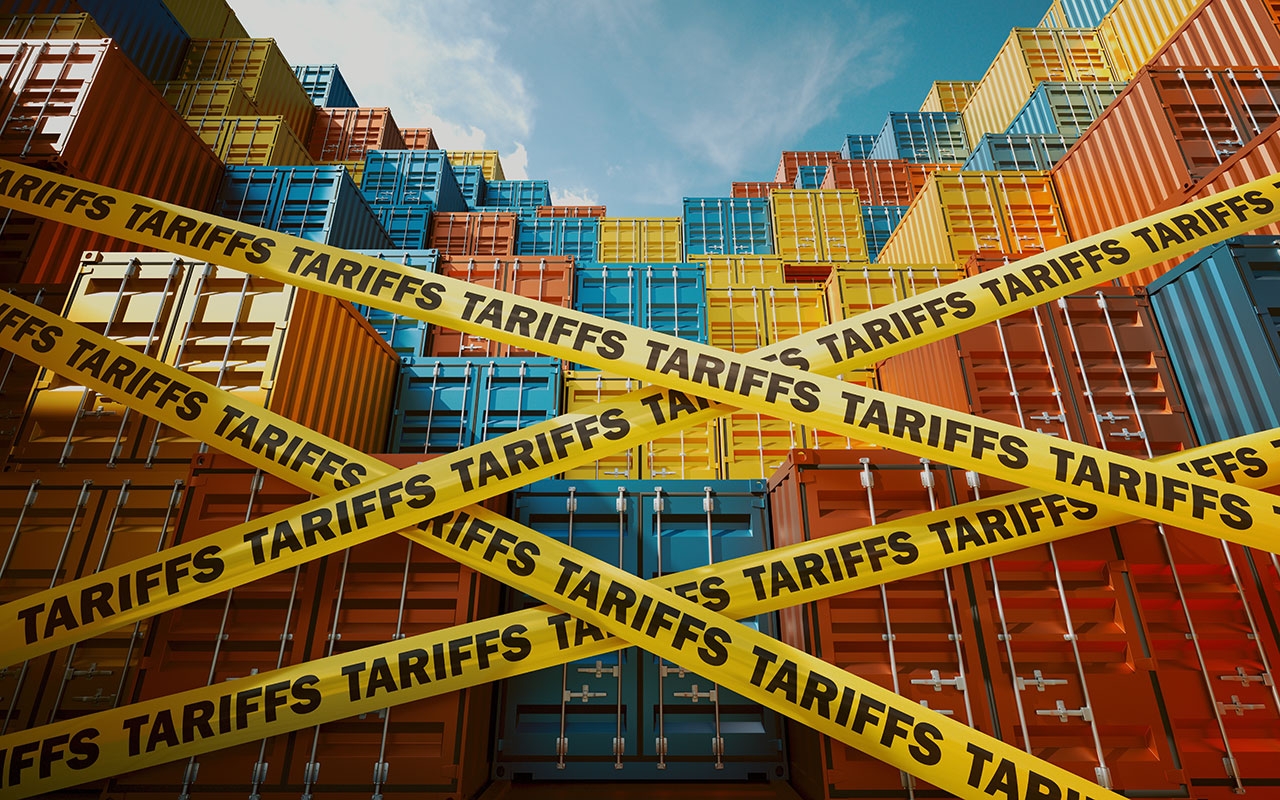
How Do Tariffs Affect Businesses?
Tariffs are taxes imposed by a government on imported goods. They are often used to protect domestic industries, raise government revenue, or influence trade relationships with other countries. While tariffs are collected from importers, their effects can spread throughout the economy and significantly influence businesses.
The impact of tariffs depends on factors such as the type of product being imported, the availability of domestic alternatives, the size of the tariff, and the ability of businesses to pass higher costs on to customers. Some companies may benefit from tariffs, while others face higher costs, reduced sales, and greater uncertainty.
Higher Costs for Imported Goods
One of the most direct effects of tariffs is that they make imported products more expensive. A business that purchases foreign raw materials, components, machinery, or finished goods must generally pay the tariff when those products enter the country.
For example, suppose a manufacturer imports $1 million worth of components and faces a 20% tariff. The tariff could add $200,000 to the company's import costs. Unless the company can find cheaper suppliers or reduce other expenses, its overall costs will rise.
Businesses that depend heavily on imported inputs are particularly vulnerable. Industries such as manufacturing, retail, construction, electronics, and automobile production may rely on international supply chains, meaning tariffs can affect several stages of production.
Higher Prices for Consumers
Businesses often respond to higher costs by increasing the prices they charge customers. This allows companies to recover some or all of the additional expense created by tariffs.
For instance, a retailer importing clothing may face a new tariff on foreign garments. If the retailer cannot absorb the entire cost, it may increase the price of the clothing. Consumers therefore indirectly bear part of the tariff's cost.
However, businesses cannot always raise prices without consequences. Customers may buy fewer products, switch to alternatives, or choose competitors with lower prices. As a result, companies must balance the need to protect their profit margins with the risk of losing sales.
Pressure on Profit Margins
When businesses cannot pass tariff costs on to customers, their profit margins may decline.
Consider a company that sells a product for $100 and earns a $20 profit on each unit. If a tariff increases its costs by $10 and the company keeps the selling price at $100, its profit falls to $10 per unit.
Lower profit margins can affect a company's ability to invest, hire workers, increase wages, or expand operations. Businesses with limited financial resources may be especially affected because they have less ability to absorb unexpected increases in costs.
Changes to Supply Chains
Tariffs can encourage businesses to reconsider where they purchase their products and materials. Companies may search for suppliers in countries that are not subject to the same tariffs or increase purchases from domestic producers.
Changing suppliers, however, can be expensive and time-consuming. Businesses may need to renegotiate contracts, test new materials, change transportation arrangements, or modify production processes.
Some companies may respond by moving production to another country. Others may invest in domestic manufacturing facilities. These changes can require substantial capital and may take years to complete.
Effects on Domestic Producers
Tariffs can benefit businesses that compete directly with imported products. When imported goods become more expensive, domestic products may become relatively more attractive.
For example, if imported steel becomes more expensive because of a tariff, domestic steel producers may gain market share. Higher demand can increase their revenues and potentially encourage them to expand production.
This is one of the main arguments for imposing tariffs: they can provide domestic industries with greater protection from foreign competition.
However, protection can also reduce competitive pressure. If domestic producers face less competition, they may have fewer incentives to reduce costs, improve efficiency, or innovate.
Impact on Exporters
Tariffs can also hurt businesses that sell goods to foreign markets, particularly when other countries respond with retaliatory tariffs.
Suppose Country A imposes tariffs on agricultural products from Country B. Country B may respond by placing tariffs on goods imported from Country A. Businesses in Country A that depend on exports may then face higher prices for their products in the foreign market.
Foreign customers may respond by buying products from competing countries instead. Exporting businesses can therefore lose sales and market share.
Retaliatory tariffs can be especially damaging to industries that depend heavily on international markets, such as agriculture, manufacturing, and certain technology sectors.
Effects on Small Businesses
Small businesses may be more vulnerable to tariffs than large corporations because they often have less negotiating power and fewer alternative suppliers.
A large multinational company may be able to negotiate lower prices, change suppliers, or move production between countries. A small business may have only a few suppliers and limited resources to make major changes.
Small businesses may therefore have to choose between absorbing higher costs, raising prices, reducing expenses, or accepting lower profits.
Employment and Investment
Tariffs can have mixed effects on employment.
Businesses protected by tariffs may increase production and hire additional workers because imported competitors have become more expensive. This can support employment in protected industries.
At the same time, businesses that rely on imported materials may reduce hiring or employment because their production costs have increased. Exporters affected by retaliatory tariffs may also reduce their workforce if foreign demand falls.
Tariffs can also influence investment decisions. Companies may delay expansion projects when trade policies are uncertain because they cannot easily predict future costs and market conditions.
Increased Business Uncertainty
Even when tariffs do not immediately cause major financial losses, uncertainty about future trade policy can make planning more difficult.
Businesses typically make investments based on expectations about future costs, demand, and regulations. Frequent changes in tariffs can make companies reluctant to build new factories, enter new markets, or sign long-term supply agreements.
Greater uncertainty can therefore affect business activity beyond the direct cost of the tariff itself.
Can Tariffs Benefit Businesses?
Tariffs are not necessarily harmful to every business. Companies that compete with imported products may benefit when tariffs reduce foreign competition.
Domestic producers may experience increased demand, higher revenues, and stronger market positions. In some cases, tariffs can give emerging industries time to develop before facing full international competition.
Governments may also use tariffs as part of broader economic or strategic policies. They may seek to encourage domestic production of products considered important to national security or economic resilience.
Nevertheless, the benefits for protected businesses must be weighed against the costs imposed on other companies and consumers.
Long-Term Effects
The long-term effects of tariffs depend heavily on how businesses adapt. Companies may diversify suppliers, increase automation, source more materials domestically, or redesign products to reduce reliance on imported components.
These adjustments can make supply chains more resilient, but they can also increase costs. Domestic production may be more expensive than foreign production, and changing suppliers can require substantial investment.
Over time, tariffs can therefore reshape industries and international supply chains rather than simply changing the price of individual products.
Conclusion
Tariffs can affect businesses in many ways. They can raise the cost of imported materials and finished goods, reduce profit margins, increase consumer prices, disrupt supply chains, and create uncertainty. Exporters may also suffer when trading partners respond with retaliatory tariffs.
At the same time, tariffs can benefit domestic businesses that compete with imported products by reducing foreign competition and increasing demand for locally produced goods.
Ultimately, the effects of tariffs depend on the structure of an industry and how businesses, consumers, and foreign governments respond. Tariffs may protect certain companies, but they can also create higher costs elsewhere in the economy. Understanding both the benefits and drawbacks is essential when evaluating whether tariffs are an effective economic policy.
- Arts
- Business
- Computers
- Jocuri
- Health
- Home
- Kids and Teens
- Money
- News
- Personal Development
- Recreation
- Regional
- Reference
- Science
- Shopping
- Society
- Sports
- Бизнес
- Деньги
- Дом
- Досуг
- Здоровье
- Игры
- Искусство
- Источники информации
- Компьютеры
- Личное развитие
- Наука
- Новости и СМИ
- Общество
- Покупки
- Спорт
- Страны и регионы
- World

 English
 Russian
 French
 Spanish
 Portuguese
 Deutsch
 Turkish
 Dutch
Dutch
 Italiano
 Arabic
 Portuguese (Brazil)
 Greek
Greek