
How do tariffs affect consumers?
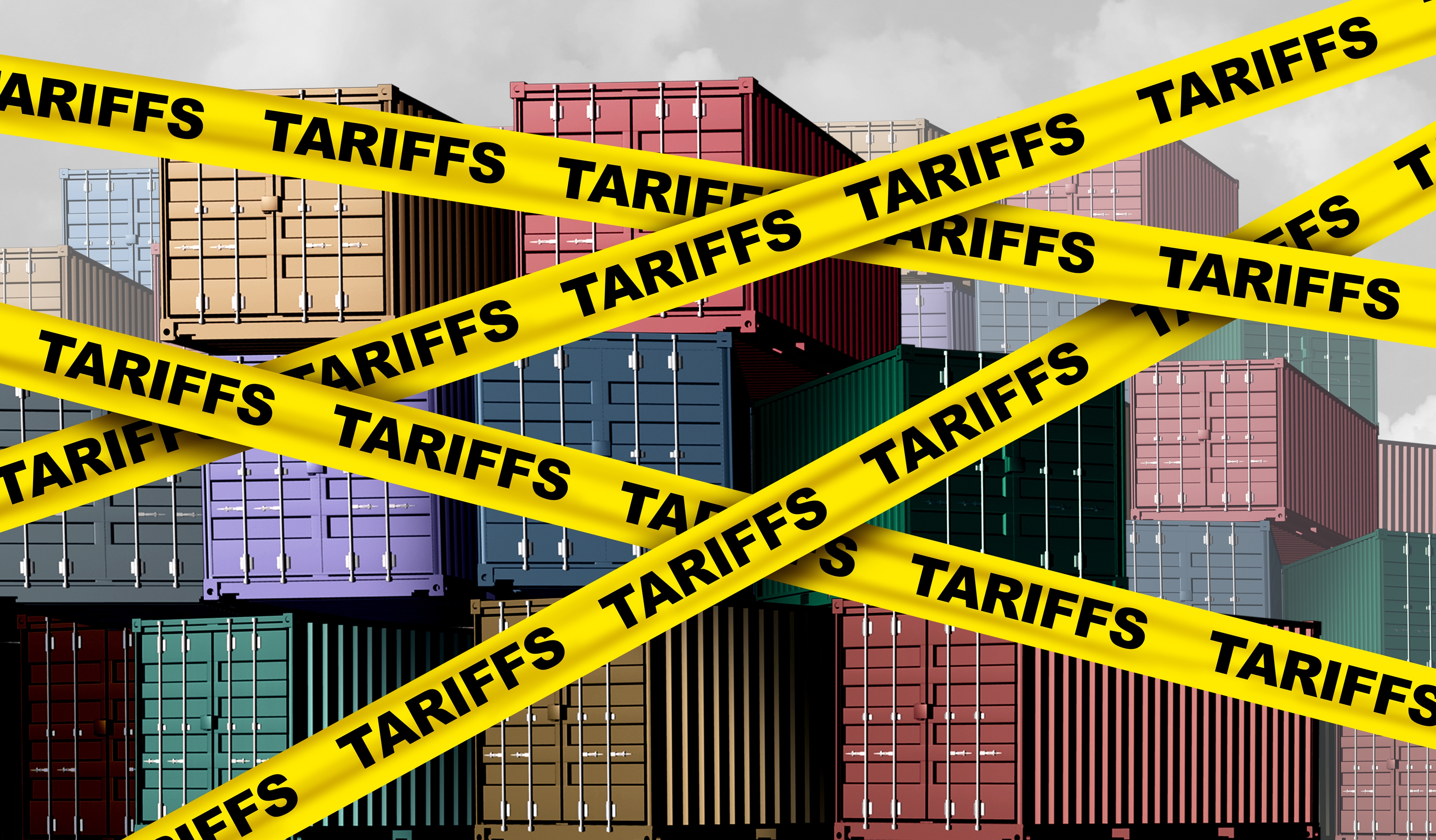
How Do Tariffs Affect Consumers?
Tariffs are taxes imposed by a government on imported goods. Although tariffs are generally collected from importers rather than directly from consumers, they can have significant effects on household budgets, product prices, businesses, wages, and the overall economy. The impact depends on which goods are affected, how high the tariff is, whether businesses pass the additional costs to consumers, and how domestic and foreign producers respond.
Higher Prices for Imported Goods
The most immediate way tariffs can affect consumers is through higher prices. When a government places a tariff on an imported product, the importer must pay the tax when bringing the product into the country. Importers may respond by raising the wholesale price charged to retailers, who may then increase the final price paid by consumers.
For example, suppose a retailer imports a product that costs $100 and the government introduces a 20% tariff. The importer may have to pay an additional $20 in tariff costs. If the entire cost is passed along the supply chain, the consumer could eventually face a substantially higher price.
The price increase is not necessarily equal to the tariff. Businesses may absorb some of the cost to remain competitive, suppliers may reduce their prices, or retailers may accept lower profit margins. Nevertheless, tariffs can create upward pressure on consumer prices.
More Expensive Everyday Products
Tariffs can affect a wide range of consumer goods, including clothing, electronics, appliances, automobiles, furniture, food, and other products. The effect can be especially noticeable when a country relies heavily on imports for a particular product or for the materials used to manufacture it.
For instance, a tariff on imported steel may affect consumers even if they never purchase imported steel directly. Domestic manufacturers that use steel to produce cars, appliances, or construction equipment may face higher production costs. Those companies may then raise prices for their finished products.
This means tariffs can influence prices indirectly as well as directly.
Reduced Consumer Choice
Tariffs can also reduce the variety of products available to consumers. If imported goods become more expensive, some foreign companies may sell fewer products in the affected market or decide that the market is no longer profitable.
Consumers may therefore have fewer brands, models, or product varieties from which to choose. Domestic producers may fill some of the gap, but they may not offer the same features, quality, or price as foreign competitors.
Reduced competition can also make it easier for domestic companies to increase prices.
Potential Benefits for Domestic Producers
Tariffs do not necessarily have only negative effects. One reason governments impose tariffs is to protect domestic industries from foreign competition.
If imported products become more expensive because of tariffs, consumers may be more likely to purchase domestically produced alternatives. This can increase demand for domestic goods and potentially support local companies and jobs.
For example, a tariff on imported agricultural products could make domestically grown products relatively more competitive. Similarly, tariffs on imported manufactured goods may provide temporary protection for domestic factories.
However, the benefits to protected industries must be weighed against the higher prices and other costs faced by consumers.
Effects on Consumer Income and Employment
Tariffs can influence consumers not only through prices but also through employment and wages.
Industries protected by tariffs may expand production, potentially creating or preserving jobs. Workers in those industries could benefit from greater demand and improved employment opportunities.
At the same time, industries that rely heavily on imported materials or components may face higher costs. If tariffs make these businesses less competitive, they may reduce production, delay hiring, cut wages, or eliminate jobs.
Consumers therefore can experience both positive and negative employment effects depending on the industries in which they work.
Tariffs and Inflation
If tariffs affect many widely used products, they can contribute to inflation by increasing the cost of goods throughout the economy. The effect depends on the size and scope of the tariffs.
A tariff on a single specialized product may have little effect on overall consumer prices. Broad tariffs covering large categories of imports can have a greater impact because businesses across multiple industries may face higher costs.
Tariffs can also contribute to inflation indirectly when companies increase prices in response to higher costs for imported raw materials, components, and equipment.
Tariffs Can Change Buying Habits
Higher prices caused by tariffs can encourage consumers to change what they purchase. Someone who would normally buy an imported product may choose a domestic alternative if it becomes relatively cheaper.
Consumers may also postpone purchases, buy fewer products, or choose less expensive alternatives. Businesses respond to these changes in demand, which can eventually affect production, investment, and employment.
The extent of the change depends partly on how easily consumers can substitute one product for another. If there are many alternatives, consumers can often avoid some of the tariff's effects. If there are few substitutes, consumers may have little choice but to pay higher prices.
The Impact Depends on Who Pays
Although tariffs are legally imposed on imports, the economic burden can be shared among several groups.
Importers may absorb part of the cost through lower profit margins. Foreign producers may reduce their prices to maintain access to the market. Domestic retailers may accept smaller margins. Consumers may pay higher prices. Workers may experience changes in wages or employment.
As a result, it is inaccurate to assume that foreign exporters always pay the entire cost of a tariff. The actual burden depends on market conditions, competition, supply and demand, and the ability of businesses to pass costs along.
Long-Term Effects on Consumers
Over the long term, tariffs can influence investment and the structure of an economy. Protected industries may gain time to expand, modernize, and become more competitive. Governments may use tariffs as part of a broader industrial strategy intended to encourage domestic production.
However, long-lasting protection can also reduce competitive pressure. If domestic companies face less competition from foreign producers, they may have fewer incentives to reduce costs, improve quality, or develop new products.
Consumers could therefore benefit from stronger domestic industries in some circumstances but face higher prices or less innovation in others.
Tariffs Can Lead to Retaliation
Another potential consequence is retaliation from trading partners. When one country imposes tariffs, affected countries may respond by placing tariffs on its exports.
Retaliatory tariffs can hurt domestic businesses that sell products abroad. If exports decline, companies may experience lower revenues, reduced production, or job losses. Consumers working in affected industries can consequently face lower incomes or fewer employment opportunities.
Retaliation can also disrupt international supply chains and increase uncertainty for businesses.
Who Is Most Affected?
The impact of tariffs is not necessarily equal across households. Lower-income consumers can be particularly affected when tariffs increase the prices of essential goods because they generally have less flexibility in their budgets.
Consumers who spend a large share of their income on products affected by tariffs may experience a greater financial burden than households that can easily substitute other products.
The impact also varies by location, occupation, and industry. Workers in protected industries may benefit, while workers in industries dependent on imported inputs or exports may face disadvantages.
Conclusion
Tariffs affect consumers primarily by changing the prices, availability, and competitiveness of goods and services. They can make imported products more expensive, increase the cost of products that use imported materials, reduce consumer choice, and contribute to inflation. At the same time, tariffs can protect domestic industries, support certain jobs, and encourage local production.
Whether tariffs ultimately help or hurt consumers depends on the circumstances. Their effects are determined by the products covered, the size of the tariffs, the availability of substitutes, business responses, and reactions from trading partners. In many cases, tariffs create both winners and losers, making their overall impact more complicated than simply viewing them as a tax on foreign goods.
- Arts
- Business
- Computers
- Jogos
- Health
- Início
- Kids and Teens
- Money
- News
- Personal Development
- Recreation
- Regional
- Reference
- Science
- Shopping
- Society
- Sports
- Бизнес
- Деньги
- Дом
- Досуг
- Здоровье
- Игры
- Искусство
- Источники информации
- Компьютеры
- Личное развитие
- Наука
- Новости и СМИ
- Общество
- Покупки
- Спорт
- Страны и регионы
- World

 English
 Russian
 French
 Spanish
 Deutsch
 Turkish
 Dutch
Dutch
 Italiano
 Arabic
 Romaian
 Portuguese (Brazil)
 Greek
Greek