
Does globalization increase economic inequality?
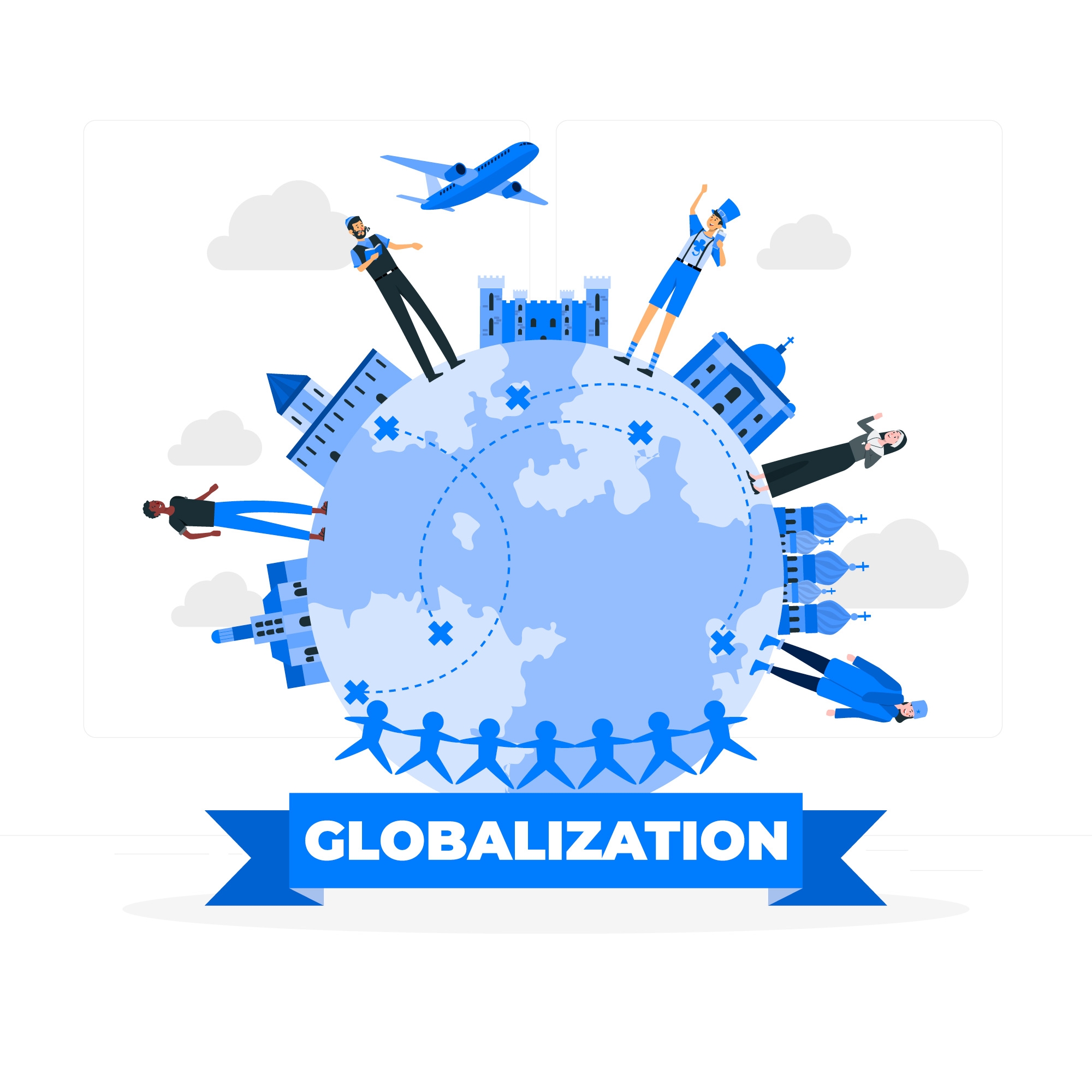
Does Globalization Increase Economic Inequality?
Globalization has transformed the world economy by increasing the movement of goods, services, capital, technology, and people across national borders. It has helped businesses reach international markets, allowed consumers to access a wider variety of products, and enabled countries to specialize in industries where they have advantages. At the same time, globalization has raised an important question: Does globalization increase economic inequality?
The answer is complex. Globalization can reduce inequality between countries by creating opportunities for poorer economies to grow, but it can also increase inequality within individual countries by distributing its benefits unevenly. The effects depend on a country's economic structure, government policies, education system, labor market, and ability to adapt to international competition.
How Globalization Can Increase Inequality
One major way globalization can increase inequality is through differences in wages and employment opportunities. International trade and investment often benefit workers who have specialized skills, higher education, or access to industries that compete successfully in global markets. These workers may receive higher wages as businesses expand internationally.
In contrast, workers in industries exposed to foreign competition may face job losses or lower wages. For example, when companies move manufacturing operations to countries where labor costs are lower, workers in the original country may lose employment. Although consumers may benefit from cheaper products, displaced workers may struggle to find equally well-paid jobs.
Globalization can therefore create a gap between highly skilled and less-skilled workers. Technology, which often develops alongside globalization, can reinforce this effect. International businesses increasingly demand workers with expertise in areas such as information technology, engineering, finance, and management. Workers without these skills may have fewer opportunities.
Globalization can also increase inequality through differences in access to capital. Large multinational corporations often have the resources, technology, and international networks needed to benefit from global markets. Smaller businesses may struggle to compete with these companies. As successful firms expand, their owners and highly paid executives can accumulate significant wealth.
Globalization and Inequality Between Countries
Although globalization may increase inequality within some countries, it can have the opposite effect internationally. Developing countries can use international trade and foreign investment to expand production, create jobs, and increase national income.
Countries that successfully integrate into global markets can experience rapid economic growth. Export-oriented industries such as manufacturing, technology, agriculture, and services can provide employment and generate foreign exchange. Foreign companies may also introduce new technologies, management practices, and skills.
Several developing economies have used globalization as part of their economic development strategies. By producing goods for international markets, they have been able to move workers from low-productivity agricultural activities into higher-productivity manufacturing and service industries.
As poorer countries become wealthier, the income gap between countries can decline. Therefore, globalization does not necessarily make the world uniformly more unequal. Its impact can differ significantly depending on whether inequality is measured within countries or between countries.
The Role of Technology
Technology is closely connected to globalization and has an important influence on inequality. Digital communication, automation, artificial intelligence, and advanced manufacturing have made it easier for companies to operate internationally.
Technology can increase productivity and create new industries, but its benefits are not distributed equally. Highly educated workers may be able to take advantage of technological opportunities, while workers whose jobs are easily automated may face unemployment or declining wages.
At the same time, digital globalization has created new opportunities for people in developing countries. Remote work, online education, digital services, and international freelancing can allow individuals to participate in global markets without moving abroad. However, access to these opportunities depends on reliable internet connections, education, technology, and appropriate skills.
The Importance of Government Policies
Globalization itself does not determine the level of inequality. Government policies play a major role in deciding how its benefits and costs are distributed.
Governments can reduce inequality by investing in education and vocational training. Workers who lose jobs because of international competition need opportunities to develop skills that are valuable in growing industries. Strong education systems can also help young people participate more effectively in the global economy.
Social protection is another important factor. Unemployment benefits, healthcare, pensions, and other forms of social assistance can protect households during periods of economic change. Governments can also support regions and industries that experience particularly severe economic disruption.
Tax policies matter as well. Progressive taxation and effective measures against tax avoidance can help governments collect revenue from those who benefit most from economic growth and use it to fund public services.
Can Globalization Reduce Inequality?
Globalization has the potential to reduce inequality when countries are able to spread its benefits broadly. International trade can lower the prices of many consumer goods, making products more affordable for households. Foreign investment can create employment and improve infrastructure. Access to international markets can also give entrepreneurs opportunities to expand their businesses.
For developing countries, participation in the global economy can be an important source of economic development. However, simply opening an economy to international trade does not guarantee inclusive growth. Countries need institutions, education, infrastructure, and policies that allow a broad section of society to benefit.
Without these conditions, globalization may mainly benefit large corporations, wealthy investors, and highly skilled workers while leaving other groups behind.
Conclusion
Globalization can increase economic inequality, but it does not do so automatically. Its effects are complicated and can differ significantly across countries and social groups. Within countries, globalization may increase inequality by rewarding highly skilled workers, increasing competition for less-skilled jobs, and giving large companies greater opportunities to accumulate wealth. Between countries, however, globalization can reduce inequality by helping developing economies expand trade, attract investment, create jobs, and achieve faster economic growth.
The central issue is therefore not simply whether globalization increases inequality, but how its benefits and costs are distributed. Effective education systems, worker training, social protection, fair taxation, and policies that encourage inclusive economic growth can help societies gain the advantages of globalization while limiting its negative effects.
Ultimately, globalization is neither inherently equalizing nor inherently unequal. Its consequences depend greatly on the institutions and policies that shape it. When governments and businesses ensure that economic opportunities are widely accessible, globalization can contribute not only to economic growth but also to greater prosperity for a broader share of society.
- Arts
- Business
- Computers
- Juegos
- Health
- Home
- Kids and Teens
- Money
- News
- Personal Development
- Recreation
- Regional
- Reference
- Science
- Shopping
- Society
- Sports
- Бизнес
- Деньги
- Дом
- Досуг
- Здоровье
- Игры
- Искусство
- Источники информации
- Компьютеры
- Личное развитие
- Наука
- Новости и СМИ
- Общество
- Покупки
- Спорт
- Страны и регионы
- World

 English
 Russian
 French
 Portuguese
 Deutsch
 Turkish
 Dutch
Dutch
 Italiano
 Arabic
 Romaian
 Portuguese (Brazil)
 Greek
Greek