
What are the disadvantages of globalization?
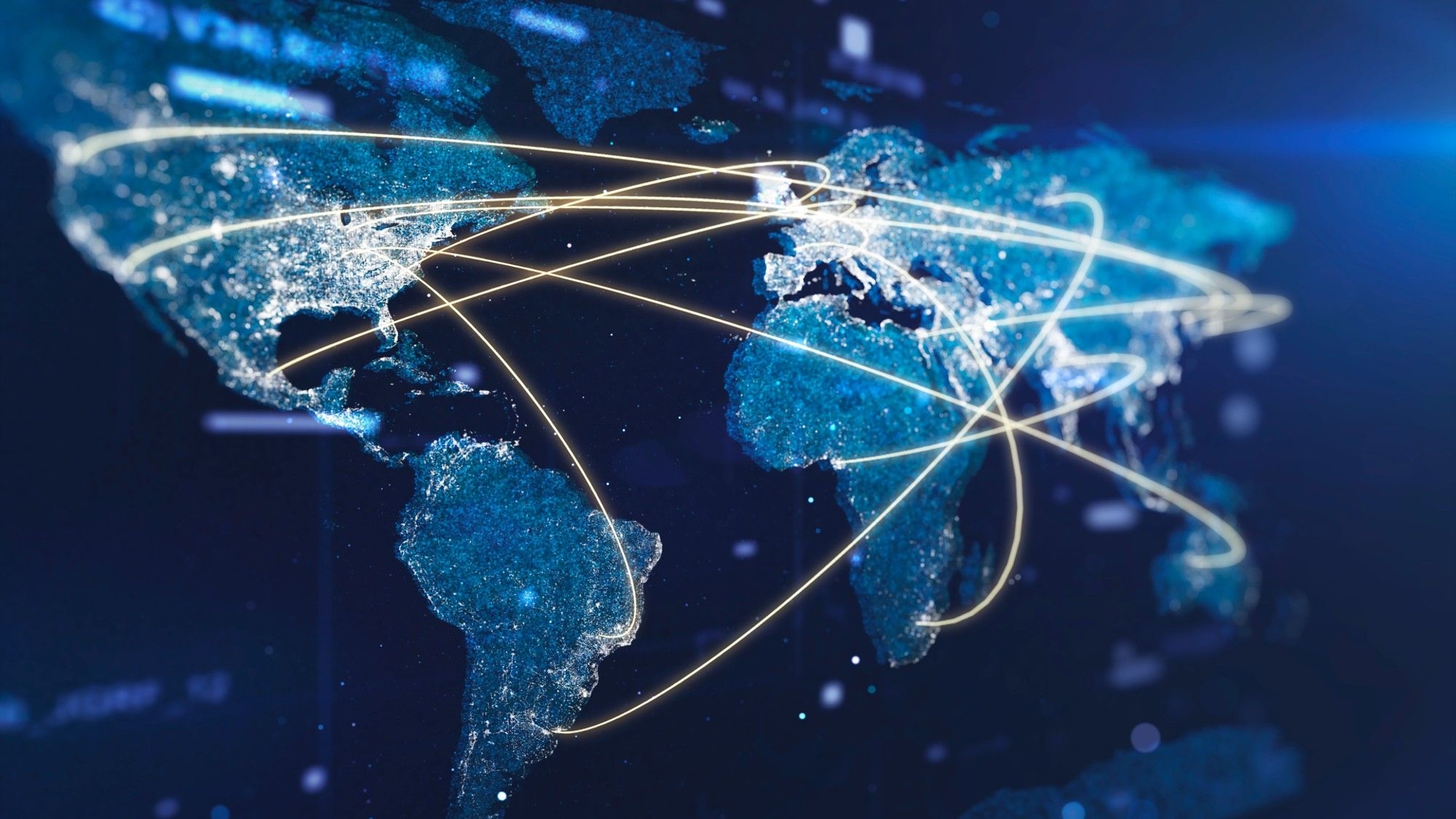
What Are the Disadvantages of Globalization?
Globalization is the process through which countries, businesses, and people become increasingly connected through international trade, investment, technology, communication, and cultural exchange. It has created many opportunities for economic growth, innovation, and international cooperation. However, globalization also has significant disadvantages. Its benefits are not distributed equally, and some workers, businesses, communities, and countries can experience serious negative effects.
1. Job Losses and Unemployment
One of the most commonly discussed disadvantages of globalization is the loss of jobs in certain industries. Companies may move factories and business operations to countries where labor costs are lower. While this can create employment opportunities in developing economies, workers in higher-cost countries may lose their jobs.
For example, manufacturing industries in developed countries can face strong competition from producers in countries with lower wages. Factories may close or reduce their workforce, leaving employees with fewer opportunities. Workers who lose jobs may also find it difficult to move into new industries if they lack the education or skills required.
Although globalization can create new jobs, the transition can be difficult and unequal. Some workers benefit from new industries, while others experience long-term unemployment or declining wages.
2. Increased Income Inequality
Globalization can contribute to greater income inequality within and between countries. Highly educated workers, skilled professionals, and owners of international businesses may benefit significantly from global markets. In contrast, low-skilled workers may face greater competition and weaker bargaining power.
Large multinational corporations can operate across many countries and take advantage of international markets, resources, and labor. Their success can generate substantial profits, but these gains may not always be shared equally with employees or local communities.
As a result, globalization can increase the gap between people with valuable skills and those working in lower-paid occupations. Without effective education, labor protections, and social policies, economic inequality can become more severe.
3. Exploitation of Workers
Global competition can encourage companies to reduce production costs. In some developing countries, this may result in low wages, long working hours, unsafe workplaces, and inadequate labor protections.
Companies may choose locations where labor is inexpensive and regulations are less strict. Although foreign investment can provide jobs and income, workers may not always receive fair wages or safe working conditions.
Child labor and poor workplace conditions have also been associated with certain global supply chains. Strong labor laws and responsible corporate practices can reduce these problems, but enforcement remains difficult in some countries.
4. Environmental Damage
Globalization can place considerable pressure on the environment. International trade requires transportation of goods over long distances, contributing to greenhouse gas emissions. Increased industrial production can also lead to air and water pollution, deforestation, and resource depletion.
Companies may relocate production to countries with weaker environmental regulations, creating what is sometimes called “pollution havens.” In addition, rising consumption encouraged by global markets can increase waste and demand for natural resources.
Globalization can support the spread of environmentally friendly technologies, but without effective international environmental policies, economic expansion can come at a significant ecological cost.
5. Loss of Local Cultures
Cultural globalization allows people around the world to share music, food, films, languages, and ideas. However, it can also threaten local cultures and traditions.
Global brands, entertainment companies, and social media platforms can make certain lifestyles and cultural products dominant worldwide. Smaller local businesses and traditional cultural practices may struggle to compete with powerful international brands.
Over time, communities may become less connected to their traditional languages, customs, crafts, and forms of cultural expression. Cultural exchange can be valuable, but excessive cultural standardization may reduce diversity.
6. Dependence on Other Countries
Globalization increases economic interdependence. Countries often rely on international partners for energy, food, raw materials, technology, and manufactured goods. This can create vulnerabilities when international trade is disrupted.
Events such as wars, natural disasters, pandemics, financial crises, or political conflicts can interrupt supply chains. A shortage of an important product in one country can therefore result from problems occurring thousands of kilometers away.
The COVID-19 pandemic demonstrated how disruptions to international supply chains could affect the availability of medical equipment, electronic components, food products, and other essential goods. Greater global integration can therefore increase efficiency while also creating new forms of economic vulnerability.
7. Pressure on Small Businesses
Globalization can make it difficult for small and local businesses to compete with large multinational corporations. International companies often have greater financial resources, advanced technology, extensive distribution networks, and strong brand recognition.
A small local business may struggle to offer products at prices comparable to those of a large corporation. As multinational chains expand, independent shops and producers can lose customers.
This does not mean that globalization always harms small businesses. Some small companies can use international markets and online platforms to reach customers abroad. Nevertheless, businesses without sufficient resources or technology may find global competition challenging.
8. Economic Instability
Because national economies are closely connected, financial problems in one country can spread to others. International investors can move large amounts of money across borders very quickly. Sudden changes in investment flows can create financial instability, particularly in developing economies.
Globalization can also make countries more exposed to international recessions. When major economies experience economic downturns, demand for exports may decline in other countries, reducing production, employment, and government revenue.
Greater economic integration therefore brings opportunities but also increases exposure to events beyond a country's direct control.
9. Unequal Distribution of Benefits
The advantages of globalization are not distributed evenly. Wealthier countries and large corporations often have more resources to take advantage of international markets than poorer countries and small businesses.
Developing countries may receive foreign investment and access to global markets, but they can remain dependent on exporting raw materials or low-value manufactured products. Meanwhile, wealthy countries may dominate high-value industries involving advanced technology, finance, research, and intellectual property.
This unequal distribution can make it difficult for some countries to achieve sustainable long-term development.
10. Loss of National Economic Control
Globalization can limit the ability of governments to make completely independent economic decisions. Countries may need to consider international agreements, foreign investors, global markets, and international institutions when creating economic policies.
For example, governments may face pressure to keep taxes, regulations, or labor costs attractive to international companies. Excessive competition for foreign investment can sometimes lead governments to weaken regulations or reduce taxes, potentially limiting public revenue.
Therefore, globalization can create a balance between attracting international investment and maintaining national economic priorities.
Conclusion
Globalization has transformed the world economy by increasing connections among countries, businesses, and individuals. However, its disadvantages should not be ignored. Job losses, income inequality, worker exploitation, environmental damage, cultural erosion, economic dependence, and pressure on small businesses are among the major concerns associated with increased global integration.
Globalization itself is neither entirely positive nor entirely negative. Much depends on how it is managed. Governments can reduce its harmful effects through strong labor protections, environmental regulations, education and retraining programs, social safety nets, and policies that support small businesses. International cooperation is also necessary to ensure that global economic growth does not come at the expense of workers, communities, cultures, or the environment.
The challenge is therefore not simply to stop globalization, but to make it more inclusive, sustainable, and fair. When its benefits are widely shared and its risks are responsibly managed, international economic integration can contribute to prosperity without leaving vulnerable groups behind.
- Arts
- Business
- Computers
- Spellen
- Health
- Home
- Kids and Teens
- Money
- News
- Personal Development
- Recreation
- Regional
- Reference
- Science
- Shopping
- Society
- Sports
- Бизнес
- Деньги
- Дом
- Досуг
- Здоровье
- Игры
- Искусство
- Источники информации
- Компьютеры
- Личное развитие
- Наука
- Новости и СМИ
- Общество
- Покупки
- Спорт
- Страны и регионы
- World

 English
 Russian
 French
 Spanish
 Portuguese
 Deutsch
 Turkish
 Italiano
 Arabic
 Romaian
 Portuguese (Brazil)
 Greek
Greek