
What are the benefits of globalization?
What Are the Benefits of Globalization?
Introduction
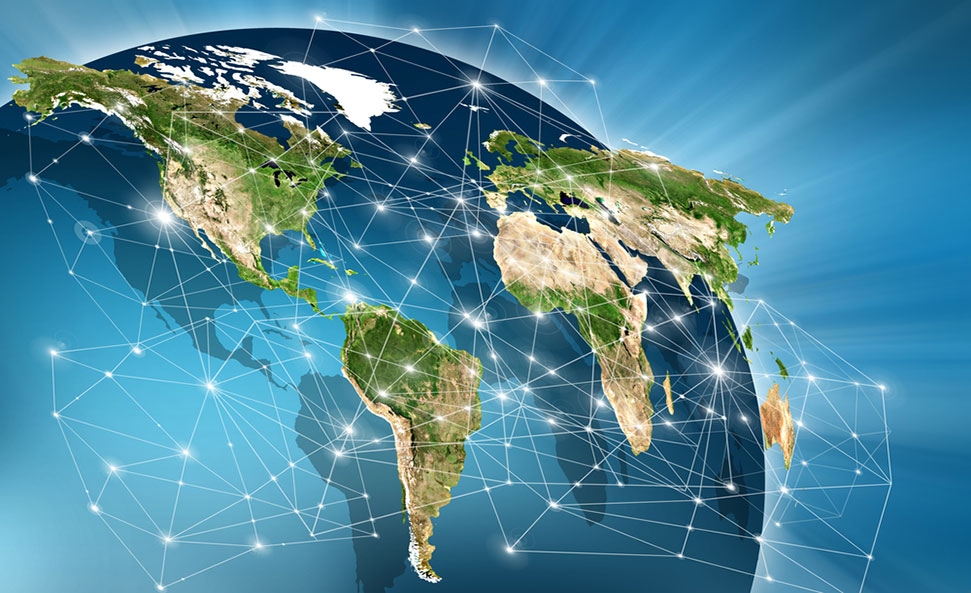
Globalization is the process of increasing economic, cultural, technological, and political connections between countries. Advances in transportation, communication, and digital technology have made it easier for businesses, governments, and individuals to exchange goods, services, ideas, and information across borders. While globalization has its challenges, it has also brought significant benefits that have transformed economies and improved living standards for millions of people.
This article explores the key benefits of globalization and why it remains an important force in the modern world.
Economic Growth and Higher Productivity
One of the greatest benefits of globalization is its ability to stimulate economic growth. International trade allows countries to specialize in producing goods and services they can create most efficiently, a concept known as comparative advantage. By focusing on their strengths, nations can produce more with fewer resources and trade for products they do not produce efficiently.
Businesses also benefit from access to larger markets. Instead of selling only to domestic customers, companies can reach consumers around the world, increasing sales and encouraging investment. As firms expand, they often create new jobs and contribute to national economic development.
Greater Consumer Choice
Globalization gives consumers access to a wider variety of products than ever before. Foods, clothing, electronics, automobiles, and household goods from different countries are now available in many local markets.
The increased competition among international companies often leads to:
-
Lower prices
-
Better product quality
-
More innovation
-
Greater product variety
For example, consumers can compare smartphones from several countries or purchase seasonal fruits imported from different parts of the world throughout the year.
Innovation and Technology Transfer
The global exchange of knowledge accelerates innovation. Companies, universities, and researchers collaborate across borders to develop new technologies, medicines, and scientific discoveries. International partnerships help spread ideas more quickly than would be possible within one country alone.
Technology transfer also enables developing countries to adopt advanced manufacturing methods, renewable energy technologies, and modern healthcare practices, improving productivity and quality of life.
Examples include:
-
Faster development of vaccines through international research.
-
Global collaboration in artificial intelligence and software development.
-
Sharing agricultural technologies that increase crop yields.
Job Creation and Business Opportunities
Globalization creates employment opportunities in multiple ways. Export-oriented industries often hire more workers to meet international demand, while multinational companies establish factories, offices, and service centers in different countries.
Small businesses also benefit from digital globalization. Online marketplaces allow entrepreneurs to sell handmade products, digital services, or educational content to customers worldwide without opening physical stores abroad.
This expanded access creates opportunities for freelancers, designers, programmers, consultants, and many other professionals to compete in global markets.
Improved Living Standards
As economies grow and businesses become more productive, incomes often rise. Higher economic output can increase government tax revenues, allowing greater investment in public services such as education, healthcare, transportation, and infrastructure.
Globalization has contributed to:
-
Better access to affordable consumer goods.
-
Increased employment in many export-driven sectors.
-
Improved infrastructure through foreign investment.
-
Greater availability of medical equipment and pharmaceuticals.
Although the benefits are not distributed equally, many countries have experienced significant reductions in extreme poverty alongside increased participation in global trade.
Access to International Investment
Foreign direct investment (FDI) is another important advantage of globalization. Companies invest in factories, technology, logistics, and infrastructure in other countries, bringing capital and expertise.
Benefits of international investment include:
|
Benefit |
Impact |
|---|---|
|
New factories |
Creates jobs and boosts production |
|
Technology sharing |
Improves efficiency and skills |
|
Infrastructure investment |
Enhances transportation and utilities |
|
Business partnerships |
Supports local suppliers and entrepreneurs |
These investments can strengthen domestic industries and encourage long-term economic development.
Cultural Exchange and Diversity
Globalization is not only about economics—it also promotes cultural exchange. People are exposed to different languages, traditions, music, literature, cuisine, and art through travel, media, and the internet.
Positive cultural impacts include:
-
Greater appreciation of diversity.
-
Increased opportunities to learn foreign languages.
-
International educational exchanges.
-
Broader understanding of global perspectives.
Students studying abroad and professionals working internationally often develop valuable cross-cultural communication skills that benefit both their careers and society.
Faster Communication and Global Connectivity
Modern globalization has been driven by digital technology. The internet enables instant communication between people across continents, making collaboration easier than ever.
Businesses can coordinate international supply chains, teachers can educate students online, and families can stay connected regardless of distance. Video conferencing, cloud computing, and digital collaboration tools have made global teamwork routine in many industries.
This connectivity has also expanded access to information, allowing people to learn new skills through online courses and educational platforms from anywhere in the world.
Stronger International Cooperation
Global challenges often require global solutions. Globalization encourages countries to cooperate on issues that affect everyone, including:
-
Climate change
-
Public health
-
Disaster response
-
Scientific research
-
International security
Organizations and international agreements help nations share resources, coordinate responses, and develop common standards that improve global stability and resilience.
Benefits for Developing Countries
Many developing nations have used globalization as a pathway to economic development. By participating in international trade, attracting investment, and expanding manufacturing or service industries, these countries have increased exports and created millions of jobs.
Potential advantages include:
-
Industrial development
-
Higher export revenues
-
Skills training and workforce development
-
Improved infrastructure
-
Integration into global supply chains
Success depends on effective government policies, education, and institutions that ensure the gains from globalization are shared broadly across society.
Challenges to Consider
While globalization offers many benefits, it also creates challenges such as income inequality, job displacement in certain industries, environmental pressures, and supply chain vulnerabilities. These issues do not eliminate globalization’s advantages but highlight the importance of policies that support workers, encourage sustainable development, and promote fair competition.
Balanced approaches—such as investing in education, strengthening labor protections, and supporting innovation—can help societies maximize the benefits while reducing negative impacts.
Conclusion
Globalization has reshaped the modern world by connecting economies, businesses, and people across national borders. Its benefits include stronger economic growth, greater consumer choice, technological innovation, increased investment, improved living standards, and richer cultural exchange. Digital connectivity has further accelerated global collaboration, creating opportunities for individuals and organizations of all sizes.
Although globalization presents important challenges that require thoughtful management, its ability to foster cooperation, spread knowledge, and expand economic opportunity makes it one of the most influential forces in global development. When supported by inclusive and sustainable policies, globalization can contribute to long-term prosperity for countries and communities around the world.
- Arts
- Business
- Computers
- Juegos
- Health
- Home
- Kids and Teens
- Money
- News
- Personal Development
- Recreation
- Regional
- Reference
- Science
- Shopping
- Society
- Sports
- Бизнес
- Деньги
- Дом
- Досуг
- Здоровье
- Игры
- Искусство
- Источники информации
- Компьютеры
- Личное развитие
- Наука
- Новости и СМИ
- Общество
- Покупки
- Спорт
- Страны и регионы
- World

 English
 Russian
 French
 Portuguese
 Deutsch
 Turkish
 Dutch
Dutch
 Italiano
 Arabic
 Romaian
 Portuguese (Brazil)
 Greek
Greek