
What is a trade embargo?
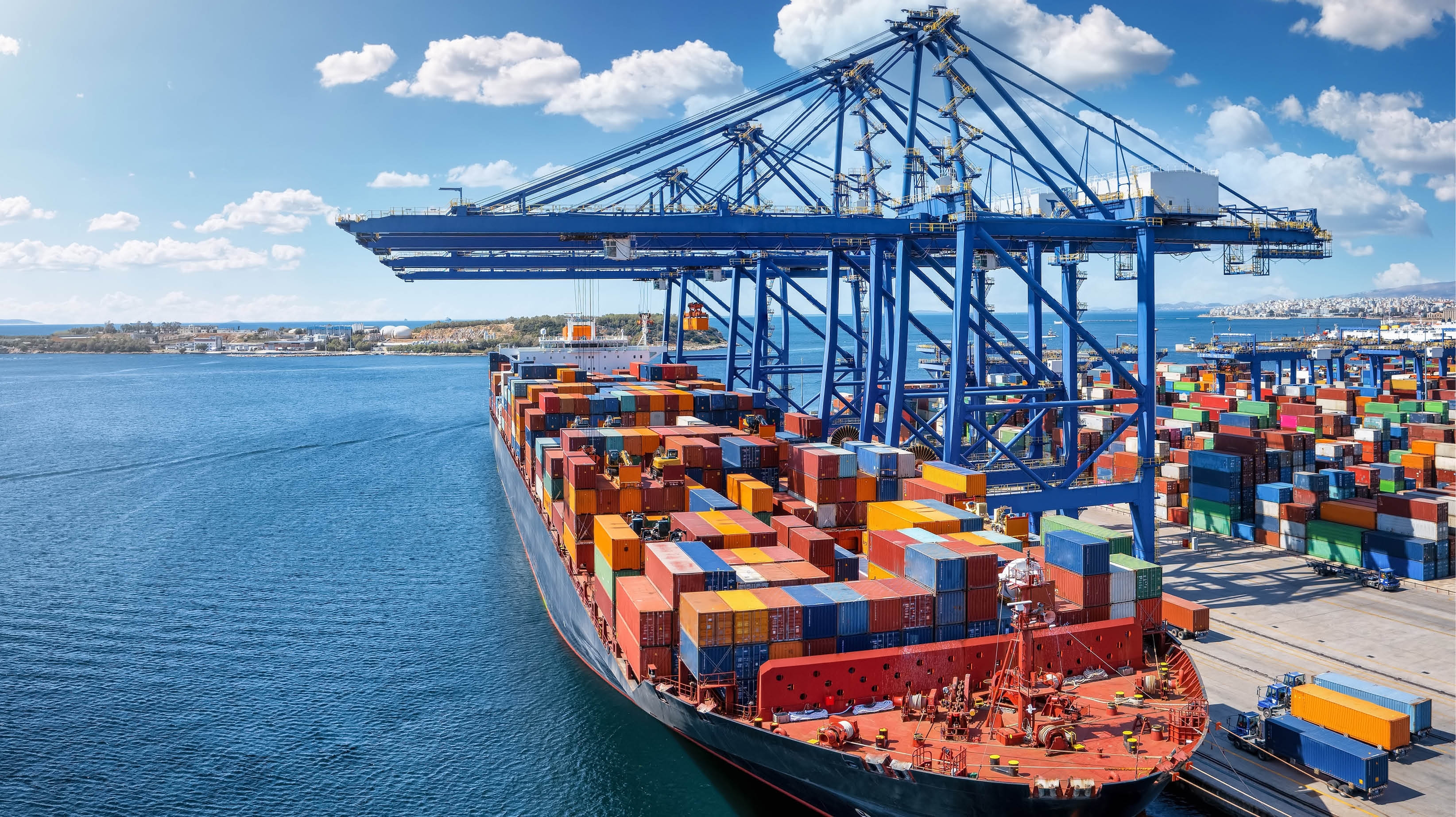
What Is a Trade Embargo?
A trade embargo is a government-imposed restriction that prohibits or severely limits trade with a particular country, group, or organization. It is a powerful economic tool that governments use to influence the behavior of other nations, respond to international conflicts, or protect national security. An embargo may restrict imports, exports, or both, and can apply to specific products or to nearly all forms of commercial exchange.
Trade embargoes are an important part of international economic policy because they can have significant effects not only on the countries involved but also on businesses, consumers, and global markets.
How Does a Trade Embargo Work?
A trade embargo works by preventing individuals and businesses from conducting certain types of international trade with a targeted country or entity. The government imposing the embargo establishes rules describing what transactions are prohibited.
For example, a country might prohibit its companies from:
-
Exporting goods to the targeted country.
-
Importing products from that country.
-
Providing financial services to businesses located there.
-
Selling military equipment or advanced technology.
-
Investing in companies controlled by the targeted government.
The scope of an embargo can vary considerably. A comprehensive embargo may prohibit most forms of trade with a particular country, while a limited embargo may focus on specific industries, products, or organizations.
Governments generally enforce embargoes through customs authorities, financial regulations, export controls, and penalties for companies or individuals that violate the restrictions.
Why Do Countries Impose Trade Embargoes?
Governments impose trade embargoes for several reasons.
1. To Influence Political Behavior
One of the main purposes of an embargo is to pressure another government to change its policies or actions. Rather than using military force, a government may attempt to create economic pressure by restricting trade.
For example, an embargo could be used to encourage a country to end aggressive military activities, respect international agreements, or change policies considered unacceptable by the imposing government.
2. To Respond to International Conflicts
Trade restrictions may be introduced in response to wars, territorial disputes, or other international conflicts. An embargo can be used to demonstrate opposition to a country's actions and limit its access to international markets.
In some situations, multiple countries may cooperate in imposing restrictions, making the economic pressure more substantial.
3. To Protect National Security
Governments may restrict trade in products that could threaten national security. Military equipment, weapons-related technology, sensitive computer systems, and certain advanced technologies may be subject to export restrictions.
These measures are intended to prevent potentially dangerous goods or technologies from reaching governments or organizations considered security threats.
4. To Promote Human Rights
Trade embargoes can also be connected to concerns about human rights. Governments may restrict trade with countries accused of serious human rights violations as a way of applying economic and diplomatic pressure.
The objective is often to encourage improvements without directly using military intervention.
Trade Embargo vs. Sanctions
The terms trade embargo and economic sanctions are sometimes used interchangeably, but they are not exactly the same.
Economic sanctions are a broader category of measures designed to restrict economic or financial activities. They can include freezing assets, restricting financial transactions, banning travel, limiting investment, and prohibiting trade.
A trade embargo specifically focuses on restricting trade.
Therefore, an embargo can be considered one type of economic sanction. A government can impose sanctions without imposing a complete trade embargo. For example, it might freeze the assets of certain individuals while allowing ordinary trade to continue.
Types of Trade Embargoes
Trade embargoes can take several forms depending on their objectives.
Complete Trade Embargo
A complete or comprehensive embargo attempts to prohibit most trade between the imposing country and the targeted country. This is one of the strongest forms of economic pressure.
Partial Trade Embargo
A partial embargo restricts trade in selected products or industries. For example, a government may ban the export of military equipment while continuing to allow food, medicine, or other civilian goods to be traded.
Arms Embargo
An arms embargo specifically prohibits the sale or transfer of weapons and military equipment to a particular country or organization. Its purpose is generally to prevent a conflict from becoming more destructive or to limit the military capabilities of a targeted party.
Strategic Goods Embargo
Some embargoes focus on strategically important goods, such as advanced technology, energy equipment, or products that could have both civilian and military applications.
Effects of a Trade Embargo
Trade embargoes can have significant economic consequences.
Effects on the Targeted Country
The targeted country may lose access to important foreign markets, products, technologies, investment, and financial services. Businesses may have difficulty obtaining raw materials or selling their products abroad.
If the embargo is extensive, shortages can occur and prices may rise. Industries that depend heavily on international trade can be particularly affected.
However, the impact depends on how dependent the targeted country is on international trade and whether it can find alternative suppliers or customers.
Effects on the Country Imposing the Embargo
The country imposing an embargo can also experience economic costs. Domestic companies may lose access to profitable markets or inexpensive imported goods. Exporters may lose customers, while consumers may face higher prices if alternative suppliers are more expensive.
For this reason, governments must balance their political objectives against the economic costs of imposing trade restrictions.
Effects on Global Trade
Large or long-lasting embargoes can affect international markets. If a targeted country is an important producer of oil, natural gas, agricultural products, minerals, or other commodities, restrictions on its exports can reduce global supply and increase prices.
Businesses in other countries may also need to reorganize supply chains and find alternative sources of goods.
Advantages of Trade Embargoes
Trade embargoes can provide governments with an alternative to military action. Economic pressure can sometimes encourage changes in behavior without the immediate human and financial costs associated with armed conflict.
Another advantage is that embargoes can send a strong political message. They demonstrate that a government or group of governments opposes certain actions and is willing to impose economic consequences.
Embargoes can also restrict access to resources that could support military activities or other harmful actions.
Disadvantages of Trade Embargoes
Despite their potential benefits, embargoes have important disadvantages.
First, they may hurt ordinary citizens as well as governments. Restrictions can contribute to unemployment, shortages, inflation, and declining living standards, particularly when essential goods are affected.
Second, embargoes do not always achieve their political objectives. A targeted government may refuse to change its policies, especially if it can obtain goods through alternative trading partners.
Third, embargoes can encourage the development of black markets and illegal trade. When legitimate supplies are restricted, businesses or individuals may attempt to obtain goods through unauthorized channels.
Finally, prolonged trade restrictions can damage diplomatic relationships and encourage countries to seek alternative economic partnerships.
Examples of Trade Embargoes
Throughout modern history, countries have used trade embargoes in response to political and security concerns. One well-known example is the long-running U.S. trade embargo against Cuba, which has significantly restricted economic relations between the two countries.
International restrictions have also been used against countries involved in major conflicts or security disputes. In some cases, governments coordinate their trade restrictions through international organizations or groups of allied countries.
These examples demonstrate that embargoes can become long-term foreign-policy instruments rather than temporary economic measures.
Conclusion
A trade embargo is a government-imposed restriction on trade with a particular country, organization, or group. It is primarily used as an economic and political tool to influence behavior, respond to international conflicts, protect national security, or address serious policy concerns.
Embargoes can put substantial economic pressure on targeted governments, but they also carry costs. Businesses may lose markets, consumers may face higher prices, and ordinary people in targeted countries can experience significant economic hardship. Their effectiveness therefore depends on factors such as the scope of the restrictions, international cooperation, the targeted country's dependence on foreign trade, and its ability to find alternative trading partners.
Ultimately, trade embargoes represent a form of economic diplomacy. They allow governments to pursue foreign-policy objectives through restrictions on commerce rather than relying exclusively on military force, but their use requires careful consideration of both their intended political goals and their broader economic consequences.
- Arts
- Business
- Computers
- Games
- Health
- Home
- Kids and Teens
- Money
- News
- Personal Development
- Recreation
- Regional
- Reference
- Science
- Shopping
- Society
- Sports
- Бизнес
- Деньги
- Дом
- Досуг
- Здоровье
- Игры
- Искусство
- Источники информации
- Компьютеры
- Личное развитие
- Наука
- Новости и СМИ
- Общество
- Покупки
- Спорт
- Страны и регионы
- World

 Russian
 French
 Spanish
 Portuguese
 Deutsch
 Turkish
 Dutch
Dutch
 Italiano
 Arabic
 Romaian
 Portuguese (Brazil)
 Greek
Greek