
What does the World Trade Organization do?
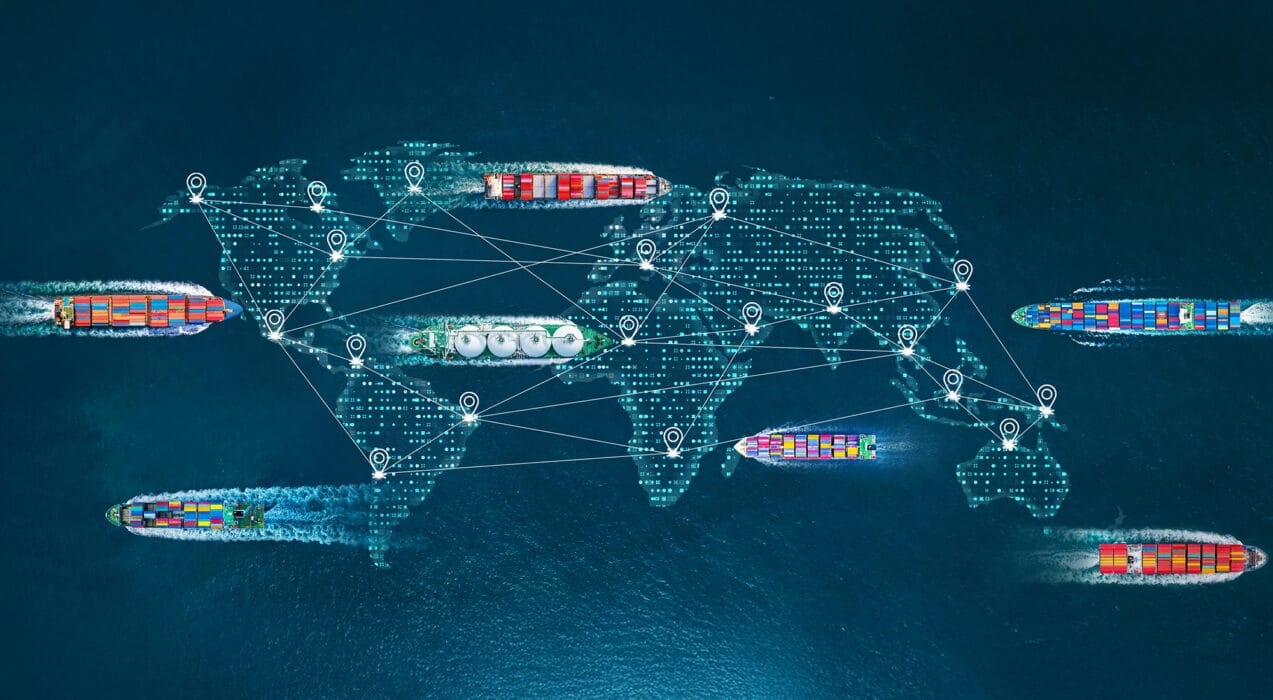
What Does the World Trade Organization Do?
The World Trade Organization (WTO) is an international organization that helps countries conduct trade with one another in a more predictable, open, and fair way. Created in 1995, the WTO developed from the General Agreement on Tariffs and Trade (GATT), which had governed international trade since 1948. Today, the organization provides a framework for global trade among its members and plays an important role in the world economy.
International trade can create major economic benefits, but it can also lead to disagreements. Countries may impose tariffs on imported goods, restrict foreign products, or introduce policies that other nations consider unfair. The WTO provides rules and procedures intended to manage these issues and reduce unnecessary barriers to trade.
Setting Rules for International Trade
One of the WTO's main responsibilities is establishing and maintaining rules for international trade. Its agreements cover trade in goods, services, and intellectual property.
These rules are designed to make international commerce more predictable. For example, WTO members generally agree to treat trading partners according to established principles rather than changing trade policies without warning. Countries also make commitments concerning tariffs and other trade barriers.
The WTO does not simply tell countries what they must buy or sell. Instead, it provides a framework within which governments can develop their own economic and trade policies while respecting international commitments.
Reducing Trade Barriers
Another important function of the WTO is encouraging the reduction of barriers to international trade. Trade barriers can include tariffs, import quotas, licensing requirements, and other restrictions that make it more difficult or expensive for businesses to sell products abroad.
Lower trade barriers can allow businesses to reach larger markets and give consumers access to a wider range of goods and services. Competition from foreign companies can also encourage businesses to become more efficient and innovative.
However, trade liberalization does not necessarily mean that every barrier disappears. WTO agreements recognize that governments may sometimes restrict trade for legitimate reasons, such as protecting public health, national security, or the environment, provided that such measures comply with relevant rules.
Resolving Trade Disputes
Countries do not always agree about whether another country's trade policies are acceptable. The WTO therefore provides a system for resolving disputes between member governments.
When one member believes another member has violated a WTO agreement, the countries can first attempt to settle the disagreement through consultations. If the dispute cannot be resolved, it may proceed through the WTO's dispute-settlement procedures.
This system is important because it gives countries a rules-based alternative to responding to trade disagreements through unilateral retaliation. A functioning dispute-settlement system can make international trade more stable by giving governments a formal process for addressing conflicts.
The WTO's dispute-settlement system has faced significant challenges in recent years, particularly because its Appellate Body has been unable to function normally since 2019. Nevertheless, dispute settlement remains one of the organization's central functions.
Monitoring Trade Policies
The WTO also monitors the trade policies of its members. Governments are expected to notify the organization about certain trade measures and policies. The WTO reviews members' trade policies through processes such as Trade Policy Reviews.
Monitoring promotes transparency. When governments know that their trade policies may be examined by other members, it becomes easier for trading partners to understand changes in regulations and identify possible problems.
The WTO also publishes trade statistics and research that help governments, businesses, researchers, and the public understand developments in international commerce.
Supporting Developing Countries
The WTO provides technical assistance and training to developing and least-developed countries. The goal is to help these countries understand WTO agreements, participate effectively in international trade negotiations, and develop the skills needed to benefit from global commerce.
For developing economies, international trade can provide opportunities for economic growth, investment, employment, and access to foreign markets. However, participating effectively in the global trading system can require substantial legal, technical, and institutional expertise.
Through training programs and other forms of assistance, the WTO seeks to help countries build that capacity.
Providing a Forum for Negotiations
The WTO also serves as a place where countries negotiate trade agreements. Governments can use the organization to discuss existing rules and consider changes to the international trading system.
Major WTO negotiations can be extremely difficult because member countries have different economic interests. A developing country may prioritize agricultural exports, for example, while an industrialized economy may place greater emphasis on services, technology, or intellectual property.
Reaching agreements among many countries can therefore take years. Even when negotiations do not produce comprehensive agreements, the WTO provides a common forum for countries to communicate and negotiate.
The WTO and Businesses
Although the WTO is an organization of governments rather than individual companies, its work has important consequences for businesses.
Companies that export or import goods depend on predictable trade rules. When tariffs, regulations, and customs procedures are relatively stable, businesses can make long-term investment and supply-chain decisions with greater confidence.
For example, a manufacturer may depend on components imported from several countries before selling its finished product internationally. Changes in tariffs or trade restrictions can significantly affect the cost and availability of those components. International trade rules can help provide greater predictability for such businesses.
Small and medium-sized enterprises can also benefit from access to foreign markets, although they may face greater difficulties than large multinational corporations in navigating international regulations.
Criticism of the WTO
Despite its importance, the WTO has attracted considerable criticism. Some critics argue that international trade liberalization can contribute to job losses in industries exposed to foreign competition. Others believe that trade agreements can give multinational corporations too much influence or limit governments' ability to pursue domestic economic and social policies.
Environmental groups have also questioned whether trade rules always give sufficient priority to environmental protection. Developing countries, meanwhile, have sometimes argued that the global trading system does not adequately address the economic challenges they face.
These criticisms highlight an important point: trade can create significant benefits, but those benefits are not necessarily distributed equally. Governments often need domestic policies—such as education, worker training, infrastructure investment, and social protection—to help people and communities adapt to changes caused by international competition.
Why the WTO Matters
The WTO does not control world trade, and it cannot force countries to eliminate every trade restriction. Its role is to provide a rules-based framework for international commerce.
By establishing trade rules, reducing unnecessary barriers, resolving disputes, monitoring policies, supporting developing countries, and providing a forum for negotiations, the WTO helps make the global trading system more organized and predictable.
Globalization has made economies increasingly interconnected. A product sold in one country may be designed in another, assembled in a third, and depend on raw materials from several others. In such an environment, countries need mechanisms for managing their economic relationships.
The WTO is one of the most important institutions performing that role. Although it faces criticism and significant challenges, its basic purpose remains highly relevant: to provide common rules that allow countries to trade with one another while managing disagreements through cooperation rather than conflict.
In conclusion, the World Trade Organization is a central institution in the international economic system. It creates and oversees trade rules, provides a mechanism for resolving disputes, supports developing economies, monitors trade policies, and offers countries a place to negotiate. Its effectiveness depends on cooperation among its members, but its rules-based approach remains an important foundation for global trade.
- Arts
- Business
- Computers
- Games
- Health
- Home
- Kids and Teens
- Money
- News
- Personal Development
- Recreation
- Regional
- Reference
- Science
- Shopping
- Society
- Sports
- Бизнес
- Деньги
- Дом
- Досуг
- Здоровье
- Игры
- Искусство
- Источники информации
- Компьютеры
- Личное развитие
- Наука
- Новости и СМИ
- Общество
- Покупки
- Спорт
- Страны и регионы
- World

 Russian
 French
 Spanish
 Portuguese
 Deutsch
 Turkish
 Dutch
Dutch
 Italiano
 Arabic
 Romaian
 Portuguese (Brazil)
 Greek
Greek