
How has globalization changed the world economy?
How Has Globalization Changed the World Economy?
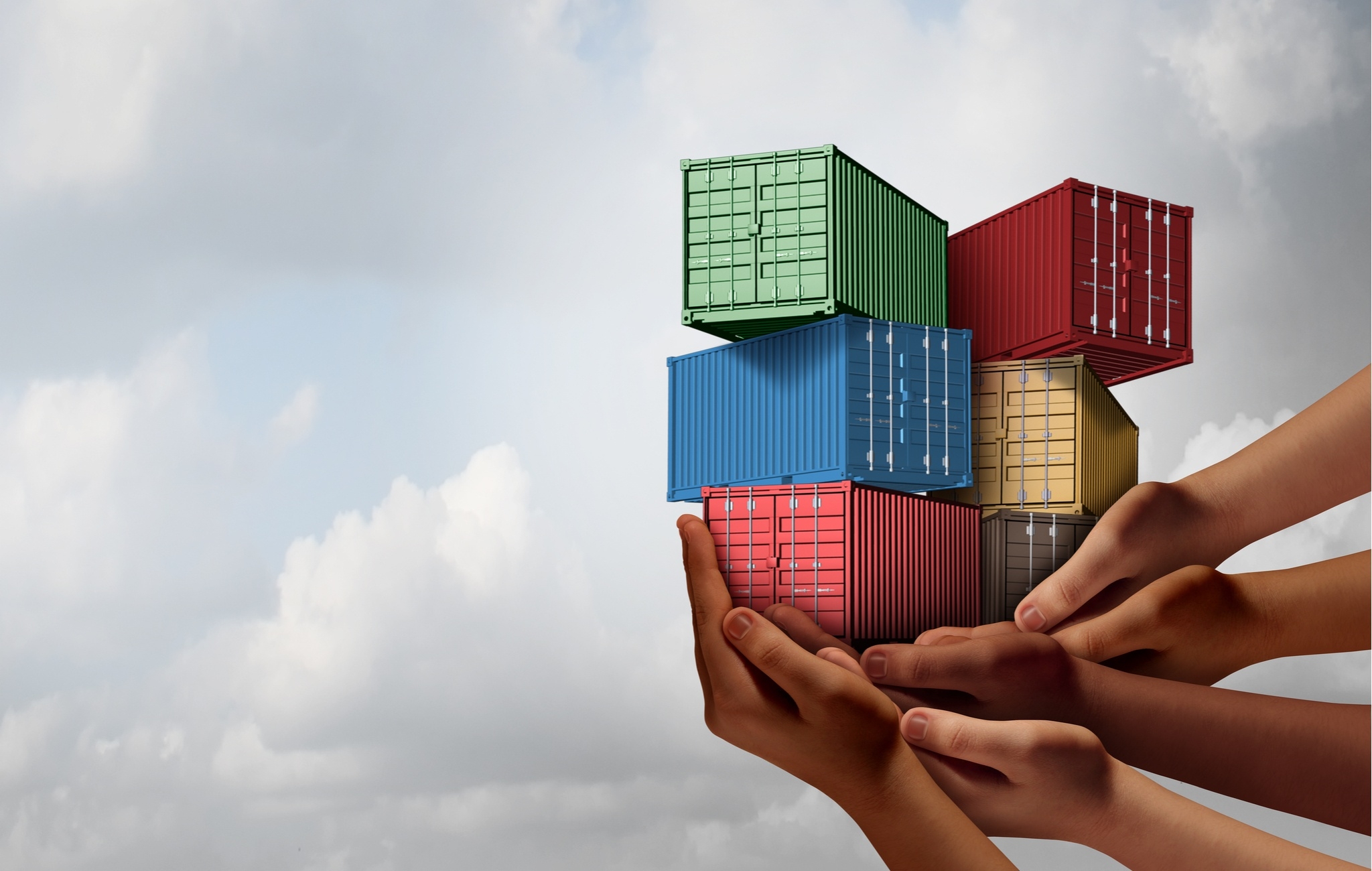
Globalization has transformed the world economy by making countries, businesses, and consumers more closely connected than ever before. Advances in transportation, communication, technology, and international trade have allowed goods, services, capital, information, and people to move across borders more easily. As a result, economic activity that once took place mainly within national boundaries has increasingly become part of a global system.
Globalization has created major opportunities for economic growth and development, but it has also produced challenges, including greater economic inequality, job displacement, and increased dependence between countries. Understanding these changes is essential for appreciating how the modern world economy operates.
Expansion of International Trade
One of the most significant effects of globalization has been the rapid expansion of international trade. Countries increasingly specialize in producing goods and services in which they have an economic advantage and trade with other nations for products they cannot produce as efficiently.
For example, a smartphone may be designed in one country, contain components manufactured in several others, assembled somewhere else, and sold worldwide. This global supply chain allows businesses to reduce production costs and gives consumers access to a much wider range of products.
International trade has also opened new markets for businesses. Companies are no longer limited to selling to consumers in their home countries. Small and large businesses can reach customers around the world through international shipping and digital commerce.
Growth of Global Supply Chains
Globalization has fundamentally changed how companies produce goods. Instead of manufacturing an entire product in one country, businesses often divide production into different stages and locate each stage where it is most efficient or cost-effective.
Developing countries have benefited significantly from this process. Countries such as China, Vietnam, India, and Mexico have attracted investment and developed major manufacturing and service industries by becoming important parts of global supply chains.
However, global supply chains can also create vulnerabilities. Events such as pandemics, wars, natural disasters, and trade disputes can interrupt production and cause shortages in countries thousands of miles away. This has encouraged many governments and companies to reconsider how dependent they should be on international suppliers.
Increased Foreign Investment
Globalization has encouraged the movement of money across borders. Businesses and investors can invest in factories, companies, infrastructure, and financial markets in other countries. Foreign direct investment can provide developing economies with capital, technology, management expertise, and employment opportunities.
For example, when an international company establishes a factory in a developing country, it may create jobs while also introducing new production techniques. Local businesses can benefit by supplying goods and services to the foreign company.
At the same time, foreign investment can create concerns. Countries may become dependent on multinational corporations, while profits generated locally may eventually flow back to foreign investors.
Technological Transformation
Technology has been one of the most important forces behind modern globalization. The internet, smartphones, cloud computing, and digital payment systems allow businesses and individuals to communicate and conduct transactions across borders almost instantly.
Companies can now employ workers in different countries, provide digital services internationally, and coordinate complex operations from multiple locations. Online platforms have also allowed individuals and small businesses to participate in the global economy.
Technology has therefore reduced the importance of geographical distance in many industries. A software developer in one country can work for a company located thousands of kilometers away, while a customer can purchase digital products from almost anywhere in the world.
Effects on Employment
Globalization has created millions of jobs, particularly in developing economies. Manufacturing, information technology, tourism, logistics, and business services have expanded as companies have sought access to new markets and lower production costs.
However, globalization has also contributed to job losses in some industries. Companies may move factories or outsource services to countries where labor and operating costs are lower. Workers in higher-cost economies can therefore face increased competition from workers abroad.
The impact on employment varies significantly by industry and country. While some traditional manufacturing jobs have declined, globalization has created new opportunities in technology, finance, logistics, international business, and professional services.
Greater Consumer Choice
Consumers are among the major beneficiaries of globalization. International trade allows people to purchase products from different countries, often at lower prices. Clothing, electronics, food, automobiles, and countless other products are now available through global markets.
Competition between international companies can also encourage businesses to improve product quality and develop new technologies. Consumers therefore have greater choice and access to innovations than in previous generations.
Nevertheless, low prices can sometimes come with hidden costs. Concerns about poor working conditions, low wages, environmental damage, and exploitation have led to growing demands for more responsible global production.
Economic Growth and Development
Globalization has helped many countries increase their economic output and improve living standards. Access to international markets enables developing countries to export goods and services, attract investment, and generate employment.
Countries that successfully integrate into the global economy can experience rapid economic growth. International trade can also provide governments with additional revenue that can be invested in infrastructure, education, and healthcare.
However, the benefits of globalization have not been distributed equally. Some regions and social groups have gained much more than others. Countries with strong infrastructure, education systems, institutions, and technological capabilities are often better positioned to benefit from global economic opportunities.
Increased Economic Inequality
Although globalization has helped reduce poverty in some developing countries, it has also contributed to inequality within certain countries. Highly skilled workers and people who own businesses or financial assets may benefit significantly from international markets, while low-skilled workers can face wage pressure and job insecurity.
The unequal distribution of globalization's benefits has become an important political and economic issue. Governments increasingly face pressure to provide education, retraining, social protection, and other policies that help workers adapt to changes in the global economy.
Greater Economic Interdependence
Perhaps the most important long-term consequence of globalization is that national economies have become deeply interconnected. A financial crisis in one major economy can affect markets around the world. Changes in energy prices, interest rates, trade policies, or supply chains can have international consequences.
This interdependence can provide stability when countries cooperate, but it can also spread economic problems rapidly. Globalization therefore requires countries to cooperate on issues such as trade, financial regulation, taxation, climate change, and economic development.
Conclusion
Globalization has fundamentally changed the world economy by increasing international trade, investment, technological exchange, and economic interdependence. It has helped businesses reach global markets, given consumers greater choice, created employment opportunities, and contributed to economic development in many countries.
However, globalization has also created significant challenges. Job displacement, inequality, environmental concerns, supply-chain vulnerabilities, and dependence on international markets demonstrate that its benefits are not automatic or equally distributed.
The future of globalization will likely depend on how governments, businesses, and international institutions respond to these challenges. Rather than simply choosing between globalization and isolation, countries increasingly need to find ways to make global economic integration more resilient, inclusive, and sustainable. In this sense, globalization has not only changed the world economy—it has also changed the way countries must think about their economic future.
- Arts
- Business
- Computers
- Games
- Health
- Home
- Kids and Teens
- Money
- News
- Personal Development
- Recreation
- Regional
- Reference
- Science
- Shopping
- Society
- Sports
- Бизнес
- Деньги
- Дом
- Досуг
- Здоровье
- Игры
- Искусство
- Источники информации
- Компьютеры
- Личное развитие
- Наука
- Новости и СМИ
- Общество
- Покупки
- Спорт
- Страны и регионы
- World

 Russian
 French
 Spanish
 Portuguese
 Deutsch
 Turkish
 Dutch
Dutch
 Italiano
 Arabic
 Romaian
 Portuguese (Brazil)
 Greek
Greek