
What is foreign direct investment (FDI)?
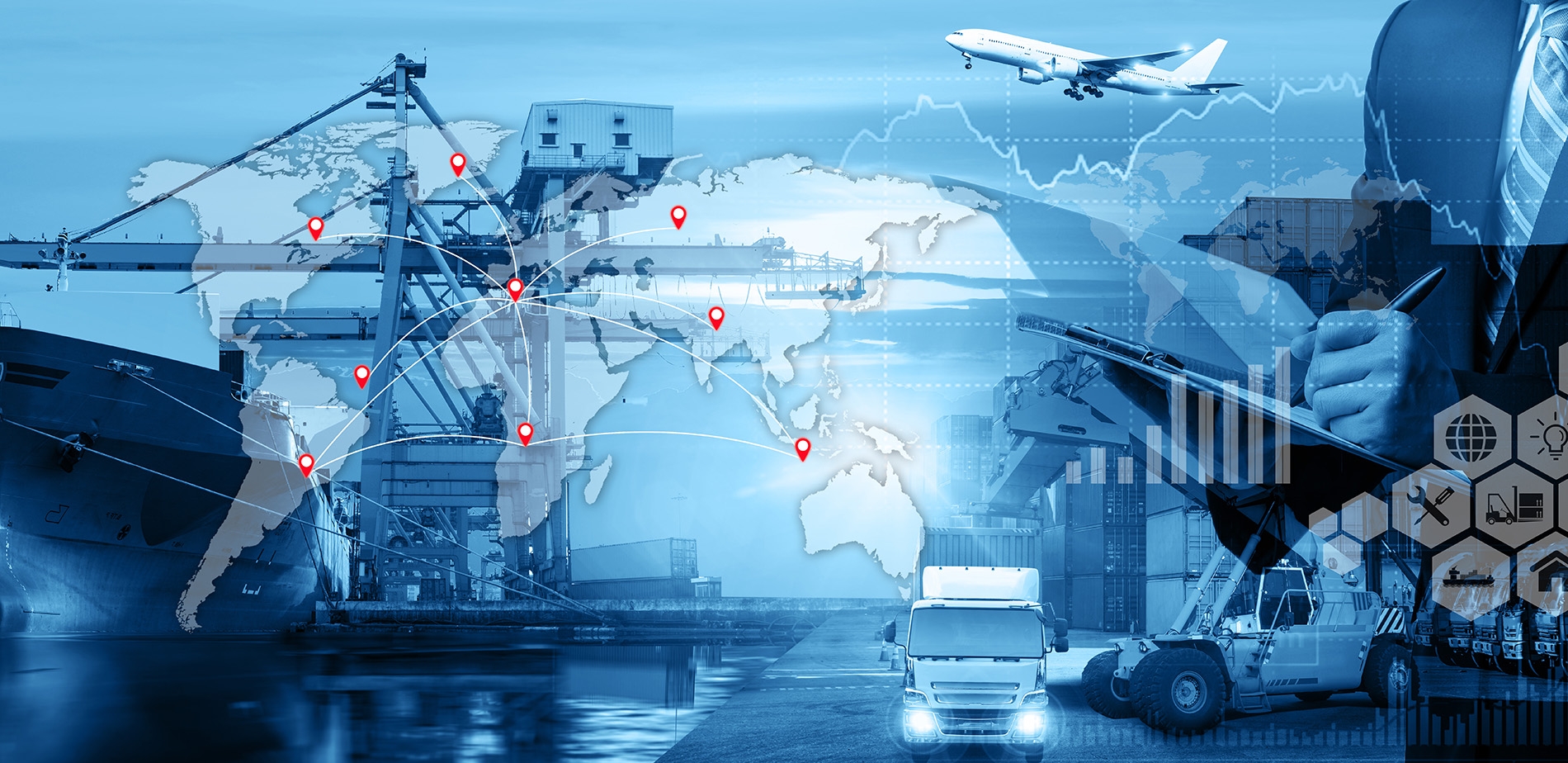
What Is Foreign Direct Investment (FDI)?
Foreign direct investment (FDI) is an investment made by an individual, company, or organization from one country into a business or productive asset located in another country, with the intention of establishing a lasting interest and having a meaningful degree of influence or control over that foreign business. FDI is an important part of the global economy because it connects countries, businesses, technologies, and financial markets.
Unlike ordinary international investments, where investors may simply purchase foreign stocks or bonds, FDI generally involves a long-term relationship with the foreign enterprise. For example, when a company builds a factory in another country, purchases a substantial stake in a local company, or establishes a subsidiary abroad, it may be considered foreign direct investment.
How Does FDI Work?
FDI occurs when investors transfer capital and business resources across national borders. A company from one country may decide to expand into another country because of opportunities such as lower production costs, access to new customers, natural resources, skilled workers, or favorable government policies.
There are several common ways FDI can take place. A foreign company can establish a new business or facility from the ground up, known as a greenfield investment. Alternatively, it can purchase or merge with an existing foreign company. A foreign investor may also establish a subsidiary or acquire a significant ownership interest in an existing company.
For example, suppose a company headquartered in Germany builds a manufacturing plant in Poland. The German company provides capital, equipment, technology, and management expertise to operate the plant. The investment is considered FDI because the company is establishing a lasting business presence outside its home country.
Types of Foreign Direct Investment
FDI can be classified in several ways.
Horizontal FDI occurs when a company invests in the same type of business abroad that it operates at home. For instance, a fast-food company opening restaurants in another country is an example of horizontal FDI. The purpose is often to gain access to foreign consumers and expand market share.
Vertical FDI occurs when a company invests in a different stage of its production or distribution process in another country. For example, an automobile manufacturer may invest in a foreign company that produces automobile components. This can help the investor secure supplies or reduce production costs.
Conglomerate FDI occurs when a company invests in a foreign business that is unrelated to its existing operations. This type of investment is less common because the investor may have limited experience in the foreign industry's market.
Another distinction is between greenfield investment and brownfield investment. Greenfield investment involves creating new facilities, offices, factories, or operations. Brownfield investment generally involves purchasing, leasing, or significantly restructuring existing facilities or businesses.
Why Do Companies Make FDI?
Companies engage in FDI for many reasons. One major motivation is market expansion. By establishing operations in another country, a company can reach new customers and increase its sales.
Another motivation is lower production costs. Some countries offer lower labor costs, cheaper inputs, or other advantages that can make production more efficient. Companies may therefore locate manufacturing facilities in countries where operating costs are relatively low.
FDI can also provide access to natural resources. Companies in industries such as energy, mining, and agriculture may invest abroad to obtain resources that are limited or unavailable in their home countries.
Companies may also invest internationally to gain access to specialized skills and technology. A foreign market may have highly trained workers, advanced research institutions, or innovative businesses that provide strategic advantages.
In addition, businesses may use FDI to avoid certain trade barriers. Producing goods within a foreign market can sometimes be more efficient than exporting products from the home country when tariffs or other restrictions make international trade expensive.
Benefits of FDI to Host Countries
Foreign direct investment can provide significant benefits to the country receiving the investment, often called the host country.
One important benefit is job creation. Foreign companies that establish factories, offices, stores, or other operations often employ local workers. This can increase household incomes and contribute to economic development.
FDI can also bring capital into the host economy. Developing countries may have limited domestic savings and investment resources, so foreign capital can help finance new businesses, infrastructure, and production capacity.
Another important benefit is technology transfer. Foreign companies may introduce advanced machinery, production methods, management techniques, and technical knowledge. Local employees and businesses can learn from these practices, potentially improving productivity throughout the economy.
FDI can also increase competition. The arrival of foreign companies may encourage domestic firms to improve their products, reduce costs, and adopt more efficient technologies.
Furthermore, successful foreign investments can increase government revenue through taxes and create opportunities for local suppliers and service providers.
Benefits to the Investing Country
FDI can benefit the investor's home country as well. Companies that successfully expand abroad may generate higher profits, increase their international competitiveness, and create new markets for their products.
International operations can also strengthen companies' global supply chains. A business may gain access to foreign resources, technologies, expertise, and distribution networks.
FDI can contribute to employment in the home country when multinational companies expand their international operations and increase their overall business activity. However, the effects can vary depending on the industry and the nature of the investment.
Potential Disadvantages of FDI
Despite its advantages, FDI can create challenges for host countries. Large multinational corporations may have greater financial resources than local businesses, making it difficult for smaller domestic firms to compete. In some cases, foreign companies can gain significant market power.
There may also be concerns about profit repatriation. Foreign companies may transfer part of their profits back to their home countries rather than reinvesting them locally.
Another concern is dependence on foreign investment. If an economy becomes heavily dependent on multinational corporations, a major foreign company withdrawing its investment could negatively affect employment, production, and economic activity.
FDI can also create environmental or social concerns if companies operate with inadequate regulation. For this reason, governments often establish laws and policies to ensure that foreign investment contributes positively to sustainable economic development.
FDI and Economic Development
FDI plays an important role in international economic integration. It allows capital, knowledge, technology, and business expertise to move between countries. For developing economies in particular, FDI can supplement domestic investment and support industrialization.
However, the benefits of FDI are not automatic. Governments need appropriate policies, infrastructure, education systems, legal protections, and economic institutions to maximize its positive effects. Countries that create a stable and attractive investment environment are generally better positioned to benefit from foreign investment.
Conclusion
Foreign direct investment is a long-term investment in a business or productive activity located in a foreign country. It differs from passive international investment because it usually involves significant influence, ownership, or control over the foreign business.
FDI can promote economic growth by providing capital, creating employment, transferring technology, increasing competition, and connecting countries to international markets. At the same time, it can create challenges involving competition, economic dependence, profit transfers, and environmental concerns.
Overall, FDI is a major component of the modern global economy. When supported by effective government policies and responsible business practices, it can provide important opportunities for both investors and host countries while contributing to greater international economic integration.
- Arts
- Business
- Computers
- Jeux
- Health
- Domicile
- Kids and Teens
- Argent
- News
- Personal Development
- Recreation
- Regional
- Reference
- Science
- Shopping
- Society
- Sports
- Бизнес
- Деньги
- Дом
- Досуг
- Здоровье
- Игры
- Искусство
- Источники информации
- Компьютеры
- Личное развитие
- Наука
- Новости и СМИ
- Общество
- Покупки
- Спорт
- Страны и регионы
- World

 English
 Russian
 Spanish
 Portuguese
 Deutsch
 Turkish
 Dutch
Dutch
 Italiano
 Arabic
 Romaian
 Portuguese (Brazil)
 Greek
Greek