
What is international finance?
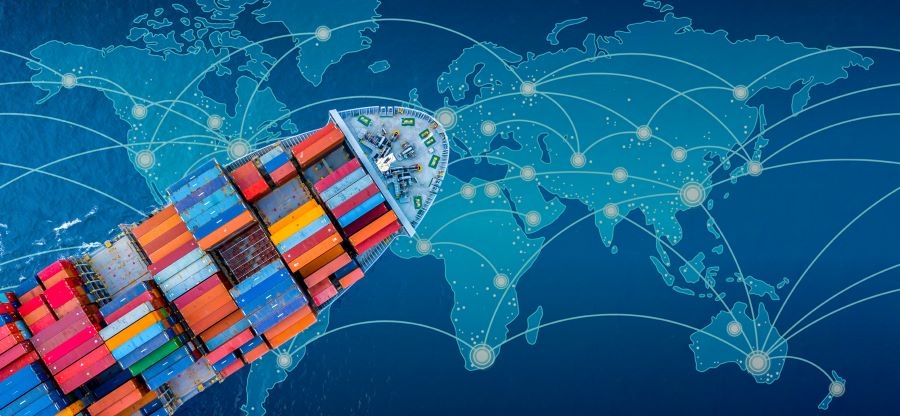
What Is International Finance?
International finance is a branch of finance that deals with financial activities and economic transactions between countries. It examines how money, investments, currencies, and financial markets operate across national borders. As businesses, governments, banks, and investors increasingly participate in the global economy, international finance has become an important part of modern economic activity.
In simple terms, international finance is concerned with how money moves between countries and how international financial decisions are made. It covers areas such as foreign exchange, international investment, international trade financing, multinational corporations, and global financial markets.
Meaning of International Finance
International finance refers to the management and movement of financial resources across different countries. Unlike domestic finance, which focuses on financial activities within one country, international finance considers transactions involving two or more countries.
For example, when a company in Germany purchases raw materials from Brazil, the transaction may involve different currencies, international banking systems, exchange-rate risks, and trade-financing arrangements. International finance provides the concepts and tools needed to manage these issues.
It is relevant to governments, financial institutions, multinational corporations, exporters, importers, and individual investors.
Major Areas of International Finance
International finance covers several important areas.
1. Foreign Exchange Markets
Foreign exchange, or forex, is one of the most important parts of international finance. It involves the buying and selling of currencies.
Because countries use different currencies, international transactions often require one currency to be exchanged for another. For example, an American company purchasing goods from Japan may need to convert U.S. dollars into Japanese yen.
Exchange rates determine how much one currency is worth in terms of another. Changes in exchange rates can significantly affect businesses and investors. A company that receives payment in a foreign currency may gain or lose money depending on how the exchange rate changes.
2. International Investment
International finance also deals with investments made across national borders. Investors may purchase foreign stocks, bonds, businesses, or other assets in order to diversify their portfolios or seek higher returns.
Companies may also invest abroad by establishing factories, offices, or subsidiaries in other countries. Such investment is commonly known as foreign direct investment (FDI).
International investment can provide opportunities for economic growth, but it also involves risks such as political instability, currency fluctuations, changes in regulations, and differences in economic conditions.
3. International Trade Finance
International trade involves the exchange of goods and services between countries. Financing is often necessary because buyers and sellers may be located thousands of kilometers apart.
International trade finance provides mechanisms that help businesses conduct cross-border transactions. These include letters of credit, export financing, import financing, and trade insurance.
Such financial arrangements reduce risks for both buyers and sellers and make international trade more reliable.
4. International Financial Markets
International financial markets allow governments, corporations, banks, and investors to raise and invest capital across borders. These markets include international bond markets, foreign exchange markets, and international equity markets.
Global financial markets allow capital to move toward countries and businesses where investment opportunities are available. This can contribute to economic development and increase access to financing.
5. Multinational Corporations
Multinational corporations operate in several countries and therefore face many international financial issues. They must manage different currencies, tax systems, interest rates, regulations, and economic conditions.
For example, a multinational company may earn revenue in euros, pay employees in dollars, purchase materials in another currency, and invest profits in several countries. International finance helps such companies manage these complex financial activities.
Importance of International Finance
International finance is important because the modern economy is highly interconnected. Countries depend on one another for goods, services, investment, technology, and capital.
One major benefit is that international finance facilitates international trade. Financial systems make it possible for businesses to pay and receive money across borders, allowing countries to specialize in the production of goods and services in which they have advantages.
International finance also encourages investment and economic growth. Foreign investment can provide developing economies with capital, technology, employment opportunities, and access to international markets.
Another important role is risk management. International businesses face currency and interest-rate fluctuations. Financial instruments such as forward contracts, futures, options, and swaps can help businesses reduce their exposure to these risks.
International finance also supports global capital allocation. Investors can move money to countries and businesses offering attractive opportunities, while companies can obtain financing from international markets.
Risks in International Finance
Although international finance creates many opportunities, it also involves significant risks.
One major risk is foreign exchange risk. Exchange rates can change unexpectedly, affecting the value of international payments and investments.
Another is political risk. Changes in government policies, political instability, trade restrictions, or conflicts can negatively affect international investments.
There is also economic risk. Recessions, inflation, changes in interest rates, and financial crises can affect countries and international businesses.
In addition, differences in laws, accounting standards, taxation systems, and business practices can make international financial management more complicated.
International Finance and Globalization
International finance is closely connected to globalization. As transportation, communication, and technology have improved, businesses and financial institutions have become increasingly connected across borders.
Globalization has made it easier for companies to sell products internationally, raise capital abroad, invest in foreign markets, and establish operations in different countries. At the same time, financial problems in one country can spread quickly to others.
The global financial crisis of 2008 demonstrated how interconnected financial markets had become. Problems originating in one part of the financial system affected banks, businesses, investors, and economies around the world.
International Finance and Governments
Governments are also important participants in international finance. They borrow money from international financial markets, manage foreign exchange reserves, attract foreign investment, and participate in international financial institutions.
Governments also use monetary and fiscal policies to influence their economies and manage international financial challenges. Central banks, in particular, play an important role in maintaining currency and financial stability.
International organizations such as the International Monetary Fund and the World Bank also contribute to the international financial system by providing financing, economic assistance, and policy support to countries.
Conclusion
International finance is the study and management of financial activities that take place across national borders. It includes foreign exchange, international investment, trade finance, global financial markets, and the financial management of multinational corporations.
Its importance has increased as economies have become more interconnected. International finance makes global trade and investment possible, helps businesses manage financial risks, and allows capital to move between countries.
However, international financial activities also involve risks, including exchange-rate fluctuations, political instability, economic uncertainty, and differences in laws and regulations. Understanding these risks and using appropriate financial strategies are essential for businesses, investors, and governments operating in the global economy.
Overall, international finance provides the financial foundation for much of the world's economic interaction. By connecting countries, businesses, financial institutions, and investors, it plays a central role in shaping the modern global economy.
- Arts
- Business
- Computers
- Jogos
- Health
- Início
- Kids and Teens
- Money
- News
- Personal Development
- Recreation
- Regional
- Reference
- Science
- Shopping
- Society
- Sports
- Бизнес
- Деньги
- Дом
- Досуг
- Здоровье
- Игры
- Искусство
- Источники информации
- Компьютеры
- Личное развитие
- Наука
- Новости и СМИ
- Общество
- Покупки
- Спорт
- Страны и регионы
- World

 English
 Russian
 French
 Spanish
 Portuguese
 Deutsch
 Turkish
 Dutch
Dutch
 Italiano
 Arabic
 Romaian
 Greek
Greek