
International economics case studies
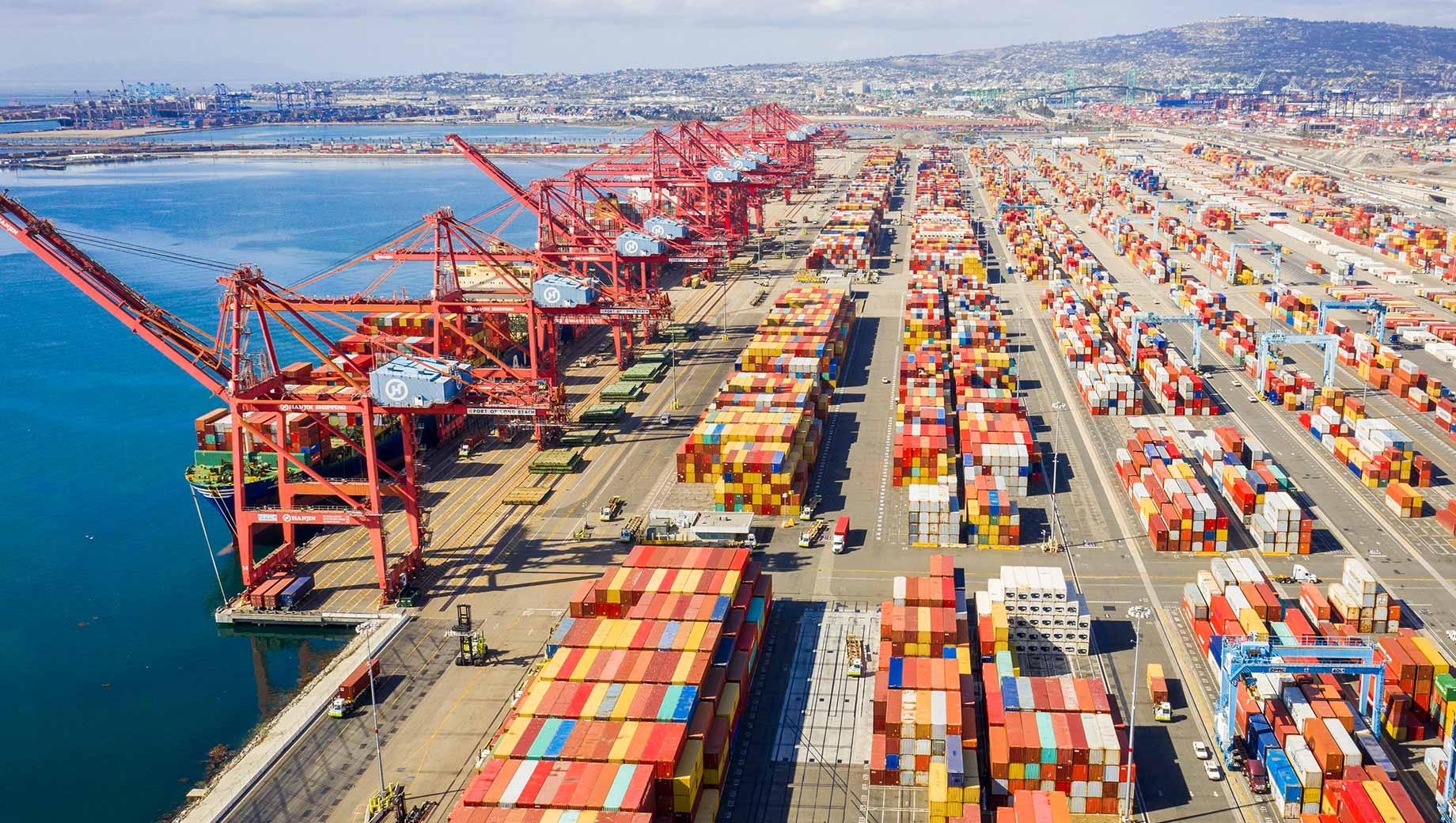
International Economics Case Studies
International economics examines how countries, businesses, governments, and consumers interact across national borders. It covers international trade, exchange rates, foreign investment, globalization, economic policies, and the movement of goods, services, capital, and labor. Case studies are particularly useful because they show how economic theories operate in real-world situations. The following examples illustrate some of the most important issues in international economics.
1. China and the Growth of Global Trade
China's transformation into a major manufacturing and trading power is one of the most significant case studies in international economics. Beginning in the late 1970s, China introduced market-oriented reforms and gradually opened its economy to international trade and investment.
China's large labor force, expanding infrastructure, and growing manufacturing capacity attracted substantial foreign investment. Multinational companies established production facilities in China, while Chinese firms became increasingly integrated into global supply chains.
China's accession to the World Trade Organization (WTO) in 2001 accelerated this process. Exports of electronics, machinery, clothing, and other manufactured products increased dramatically.
The case demonstrates the principle of comparative advantage. Countries can benefit when they specialize in producing goods and services relatively efficiently and trade with others. However, it also illustrates challenges. Increased imports can put pressure on industries in other countries, while dependence on international supply chains can create vulnerabilities during economic crises or geopolitical conflicts.
2. The European Union and Economic Integration
The European Union (EU) provides an important example of regional economic integration. European countries gradually reduced trade barriers and created institutions designed to encourage the movement of goods, services, capital, and people across borders.
The creation of the euro was an even deeper form of integration. Many EU members adopted a common currency, eliminating exchange-rate fluctuations among participating countries.
Economic integration can reduce transaction costs and encourage trade and investment. Businesses gain access to larger markets, while consumers can benefit from greater competition and product choice.
However, the European experience also demonstrates the difficulties of sharing economic institutions among countries with different economic structures. Countries using the euro cannot independently adjust their exchange rates or conduct fully independent monetary policies. The European sovereign debt crisis showed how financial problems in one member country could affect others.
This case demonstrates both the benefits and limitations of regional economic integration.
3. Japan's Export-Led Economic Development
Japan's post-World War II economic development provides another important case study. During the second half of the twentieth century, Japanese companies became major exporters of automobiles, electronics, machinery, and other manufactured goods.
Companies such as Toyota and other Japanese manufacturers developed highly efficient production systems and competed successfully in international markets. Japan benefited from technological investment, skilled labor, infrastructure, and strong industrial organization.
Japan's success demonstrates how international trade can support economic development. Export revenues helped finance investment and allowed Japanese companies to expand globally.
At the same time, Japan experienced trade tensions with other economies, particularly the United States. Concerns about large Japanese trade surpluses contributed to political pressure for currency appreciation and changes in trade relationships.
The case shows that international trade can generate mutual benefits but can also produce conflicts over competitiveness, trade balances, and exchange rates.
4. The Asian Financial Crisis of 1997–1998
The Asian financial crisis demonstrates the risks associated with international capital flows. Before the crisis, countries such as Thailand, Indonesia, and South Korea had experienced rapid economic growth and attracted substantial foreign investment.
In Thailand, investors became concerned about economic conditions and the sustainability of the country's currency arrangements. Capital began leaving the country, putting pressure on the Thai baht. The currency was eventually allowed to depreciate sharply.
Financial instability spread to other economies in the region. Currency depreciation, falling asset prices, corporate debt problems, and banking-sector difficulties caused severe economic contractions.
International institutions, including the International Monetary Fund (IMF), provided financial assistance and encouraged economic reforms.
This case demonstrates that international financial integration can provide countries with access to investment capital but can also expose them to sudden changes in investor confidence. It highlights the importance of sound financial institutions, sustainable borrowing, and effective economic regulation.
5. The United States–China Trade Relationship
The economic relationship between the United States and China illustrates the complexity of modern international trade. For many years, the two countries developed extensive trade links. American consumers gained access to relatively inexpensive manufactured products, while Chinese manufacturers gained access to a large international market.
However, disagreements developed over tariffs, market access, intellectual property, industrial policies, and trade imbalances. Beginning in 2018, the United States and China imposed substantial tariffs on selected imports from each other.
The resulting trade tensions affected companies and global supply chains. Some businesses sought alternative production locations to reduce their exposure to tariffs and geopolitical risks.
This case illustrates that international trade is influenced not only by economic efficiency but also by politics, national security, strategic industries, and government policy.
6. Oil Prices and the Global Economy
Oil provides a useful case study of international commodity markets. Countries differ substantially in their dependence on oil imports and exports. Major oil-producing countries can earn significant export revenues, while oil-importing countries must spend foreign currency to purchase energy.
When global oil prices rise sharply, oil-exporting countries may experience increased income. Oil-importing countries, however, may face higher transportation and production costs, inflation, and weaker economic growth.
A fall in oil prices can have the opposite effect. Consumers and oil-importing industries may benefit from lower costs, while oil-producing economies can experience declining government revenues and investment.
The oil market therefore demonstrates how international commodity prices can redistribute income between countries and affect inflation, trade balances, exchange rates, and economic growth.
7. Brexit and International Trade
The United Kingdom's decision to leave the European Union provides a modern case study of trade policy and economic integration. Before Brexit, the UK was part of the EU's single market and customs arrangements.
Following Brexit, the UK developed a new trading relationship with the EU. Businesses faced changes involving customs procedures, regulations, documentation, and market access.
The case illustrates the economic importance of trade agreements. Even when countries remain close geographically and politically, changes in trade rules can affect business costs and supply chains.
Brexit also demonstrates that economic integration involves political choices. Governments may prioritize national regulatory independence or other policy objectives even when economic integration provides efficiency benefits.
8. Exchange Rates and International Tourism
Exchange rates strongly influence international tourism. Suppose the currency of a country depreciates significantly against foreign currencies. Hotels, restaurants, transportation, and other services may become cheaper for international visitors.
This can increase tourism demand and generate foreign-exchange earnings. At the same time, residents of the country may find foreign travel more expensive.
Exchange-rate movements can therefore influence international spending patterns. Tourism-dependent economies may benefit from a weaker currency, although imported goods and energy can become more expensive.
This case shows how exchange rates affect not only exporters and importers but also consumers and service industries.
Conclusion
International economics becomes easier to understand when theoretical concepts are connected to real-world events. China's rise demonstrates the effects of globalization and comparative advantage. European integration illustrates both the benefits and challenges of regional economic cooperation. The Asian financial crisis highlights the risks of international capital movements, while oil-price fluctuations demonstrate how commodity markets can affect entire economies.
Trade disputes between major economies show that international commerce is influenced by political and strategic considerations as well as economic efficiency. Brexit demonstrates how changes in trade agreements can reshape business relationships, while exchange-rate movements reveal the importance of currency values to tourism and international purchasing.
Together, these case studies show that national economies are deeply interconnected. Decisions made by one government, financial institution, or major company can influence markets and living standards far beyond its own borders. Understanding international economics therefore requires both economic theory and careful examination of real-world events.
- Arts
- Business
- Computers
- Spellen
- Health
- Home
- Kids and Teens
- Money
- News
- Personal Development
- Recreation
- Regional
- Reference
- Science
- Shopping
- Society
- Sports
- Бизнес
- Деньги
- Дом
- Досуг
- Здоровье
- Игры
- Искусство
- Источники информации
- Компьютеры
- Личное развитие
- Наука
- Новости и СМИ
- Общество
- Покупки
- Спорт
- Страны и регионы
- World

 English
 Russian
 French
 Spanish
 Portuguese
 Deutsch
 Turkish
 Italiano
 Arabic
 Romaian
 Portuguese (Brazil)
 Greek
Greek