
International economics examples
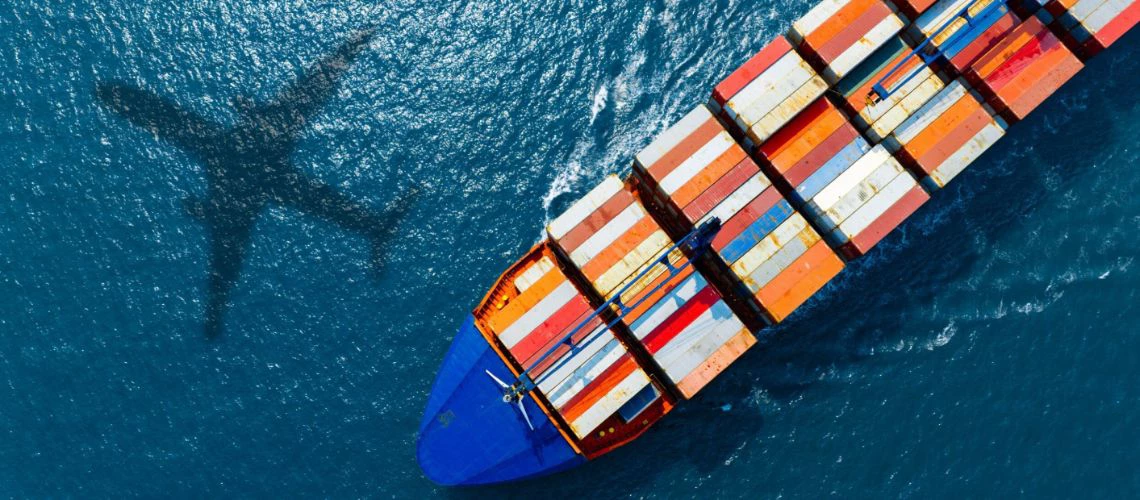
International Economics Examples
International economics is the study of how countries interact through trade, investment, finance, migration, and economic policy. Because modern economies are closely connected, decisions made in one country can affect businesses, workers, consumers, and governments in many others. International economics can seem theoretical when presented through models and formulas, but real-world examples make its principles easier to understand.
1. International Trade
One of the clearest examples of international economics is the exchange of goods and services between countries. Countries trade because they differ in natural resources, technology, labor costs, climate, and productive capabilities.
For example, Brazil is a major exporter of coffee, while countries such as Germany are known for manufacturing automobiles and industrial equipment. Brazil can specialize in agricultural products while importing machinery from Germany. Both countries can benefit from this exchange.
This illustrates the principle of comparative advantage. A country does not necessarily have to be the world's most efficient producer of a product to benefit from trade. Instead, it can specialize in goods it produces relatively efficiently and trade for other products.
2. Oil Imports and Exports
International energy markets provide another important example. Countries that produce large quantities of oil, such as Saudi Arabia, the United Arab Emirates, and Iraq, export petroleum to countries that consume more oil than they produce.
For instance, Japan has limited domestic energy resources and therefore relies heavily on imported energy. Changes in global oil prices can consequently affect Japanese transportation costs, manufacturing expenses, inflation, and household budgets.
This demonstrates how international commodity markets can transmit economic changes from one country to another.
3. Exchange Rates
Exchange rates are another central topic in international economics. An exchange rate determines how much one country's currency is worth relative to another country's currency.
Suppose a European tourist travels to the United States. If the euro becomes stronger against the U.S. dollar, the tourist may find American hotels, restaurants, and other services relatively cheaper. Conversely, a weaker euro can make the trip more expensive.
Exchange rates also affect international businesses. A European company selling products in the United States may receive dollar revenue that becomes more or less valuable when converted into euros.
4. Tariffs and Trade Restrictions
Governments sometimes restrict international trade through tariffs, quotas, or other policies. A tariff is a tax imposed on imported goods.
For example, if a government places a tariff on imported steel, foreign steel becomes more expensive in the domestic market. This may protect domestic steel producers from foreign competition. However, industries that use steel as an input may face higher production costs.
This example demonstrates the trade-off involved in protectionism. Trade restrictions can benefit certain domestic industries while increasing costs for consumers and other businesses.
5. International Investment
International economics also includes the movement of capital across borders. Companies frequently invest in foreign countries to access new customers, resources, technologies, or lower production costs.
For example, a Japanese automobile manufacturer might build a factory in the United States. The investment creates jobs and increases production in the United States, while the company gains access to the American market.
This is an example of foreign direct investment (FDI). FDI can contribute to economic growth by bringing capital, technology, management expertise, and employment opportunities to the receiving country.
6. Global Supply Chains
Modern products often involve several countries before reaching consumers. A smartphone, for example, may be designed in one country, contain components manufactured in several others, and be assembled somewhere else before being sold worldwide.
This creates international interdependence. If a factory producing an important component closes because of a natural disaster, political conflict, or transportation disruption, companies in other countries may experience shortages.
Global supply chains therefore demonstrate both the benefits and risks of economic integration.
7. International Trade Agreements
Countries often create trade agreements to reduce barriers to commerce. These agreements can lower tariffs, establish common rules, and make it easier for businesses to sell products internationally.
The European Union provides a prominent example of regional economic integration. Member countries have developed extensive economic connections and, among participating countries, use a common currency—the euro.
Trade agreements can increase market access and encourage investment, although they may also create adjustment challenges for industries facing greater foreign competition.
8. Migration and Labor Markets
International economics also examines the movement of workers between countries. People may migrate to find better employment opportunities, higher wages, or improved living conditions.
For example, workers from a country with relatively low wages may move to a country where wages are higher. The destination country may benefit from additional labor, while migrants can increase their incomes and send money to family members in their home countries.
These transfers, known as remittances, can be an important source of income for developing economies.
9. International Financial Crises
Financial markets connect economies through banks, investments, currencies, and government debt. As a result, financial problems in one country can spread internationally.
The global financial crisis of 2008 is an important example. Problems in the U.S. housing and financial sectors contributed to instability in financial markets around the world. Banks reduced lending, businesses faced uncertainty, and economic activity declined in many countries.
This illustrates the concept of financial contagion: economic or financial problems can cross national borders through interconnected markets.
10. Foreign Aid and Development
International economics also considers financial assistance between countries. Wealthier nations and international organizations sometimes provide loans, grants, technical assistance, or emergency support to developing countries.
For example, international financial institutions may provide funding for infrastructure, education, healthcare, or economic reforms. Such assistance can support development, although its effectiveness depends on how resources are managed and the conditions attached to financing.
11. Climate Change and International Economics
Climate change is an international economic issue because environmental effects and economic activities cross borders. A country may reduce its emissions, but global climate outcomes depend on actions taken by many countries.
International agreements can therefore attempt to coordinate environmental policies. Governments may introduce carbon taxes, emissions trading systems, renewable-energy incentives, or other measures.
Climate policy can also influence international trade because countries may impose environmental standards on imported goods or adjust production methods to meet international requirements.
12. Geopolitical Conflict and Trade
Political conflicts can significantly affect international economic relationships. Sanctions, export controls, transportation disruptions, and restrictions on financial transactions can reduce trade between countries.
For example, a conflict affecting a major producer of energy or agricultural commodities can disrupt global supplies and cause prices to rise. Countries that depend on imports may then seek alternative suppliers.
This shows how political events can have direct economic consequences far beyond the countries immediately involved.
Conclusion
International economics can be understood through everyday examples: imported food, foreign cars, currency exchange, international travel, overseas investment, global supply chains, migration, and changes in energy prices. These examples demonstrate that national economies are deeply interconnected.
The central lesson is that economic decisions rarely stop at national borders. Trade creates opportunities for specialization and exchange, international investment connects businesses and markets, migration moves labor across countries, and financial and political events can spread rapidly through the global economy. Understanding these relationships helps governments, businesses, and individuals make better decisions in an increasingly interconnected world.
- Arts
- Business
- Computers
- Игры
- Health
- Главная
- Kids and Teens
- Деньги
- News
- Personal Development
- Recreation
- Regional
- Reference
- Science
- Shopping
- Society
- Sports
- Бизнес
- Деньги
- Дом
- Досуг
- Здоровье
- Игры
- Искусство
- Источники информации
- Компьютеры
- Личное развитие
- Наука
- Новости и СМИ
- Общество
- Покупки
- Спорт
- Страны и регионы
- World

 English
 French
 Spanish
 Portuguese
 Deutsch
 Turkish
 Dutch
Dutch
 Italiano
 Arabic
 Romaian
 Portuguese (Brazil)
 Greek
Greek