
International economics textbook
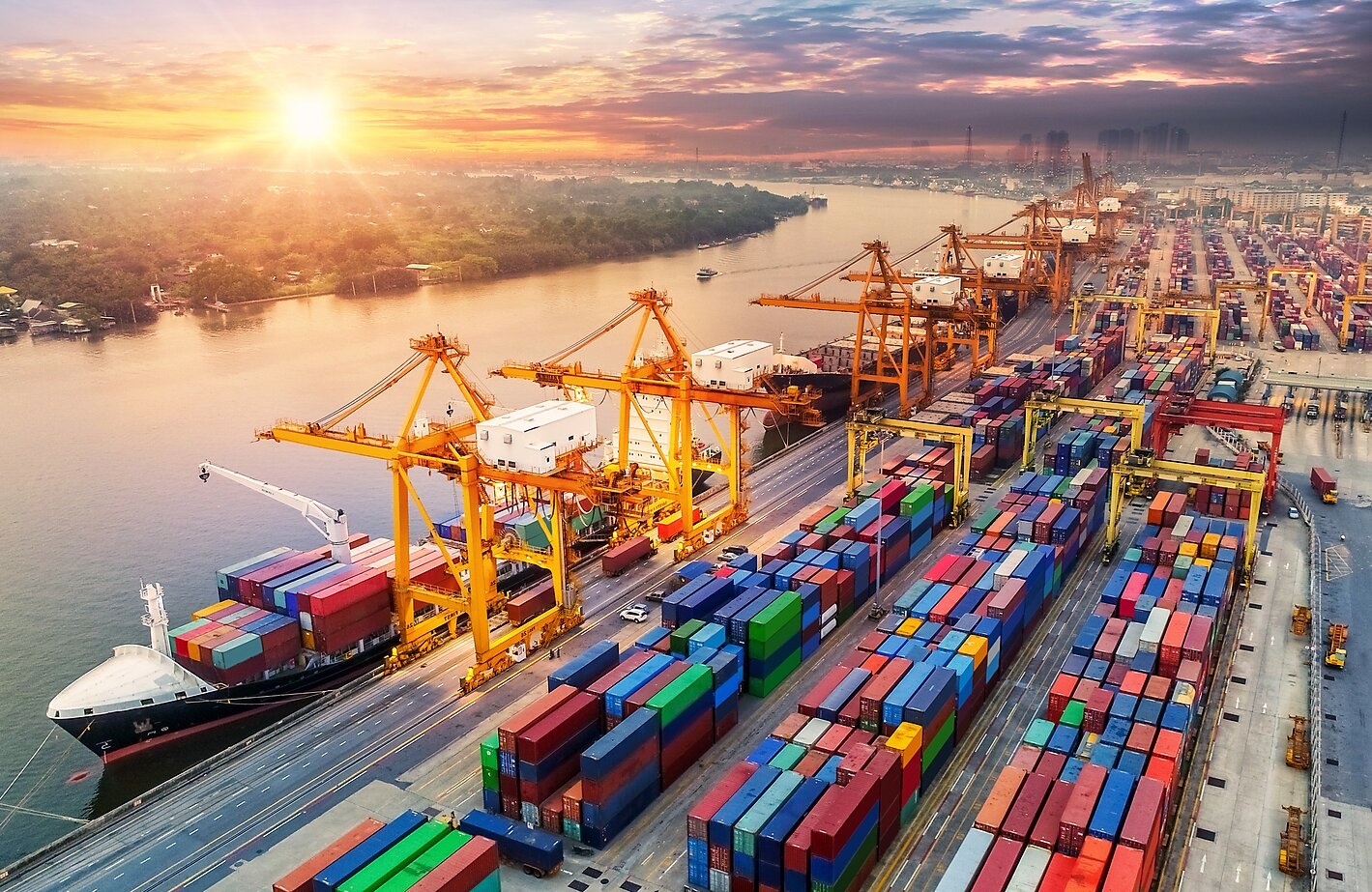
International Economics Textbook
Introduction
An international economics textbook provides a structured introduction to the economic relationships that connect countries, businesses, governments, and consumers across national borders. Unlike domestic economics, which primarily examines activity within one country, international economics focuses on trade, investment, exchange rates, international financial markets, globalization, and economic policy.
Understanding international economics is increasingly important because modern economies are deeply interconnected. Products may be designed in one country, manufactured in several others, and sold worldwide. Governments make decisions about tariffs, trade agreements, currencies, and foreign investment that can affect millions of people. An international economics textbook helps students understand these complex relationships and the economic theories behind them.
What Is International Economics?
International economics is the study of economic interactions between countries. It generally consists of two major areas: international trade and international finance.
International trade examines the exchange of goods and services between countries. It explains why countries trade, what they gain from specialization, and how trade policies influence consumers and producers.
International finance focuses on monetary and financial relationships between countries. Topics include exchange rates, balance of payments, international capital flows, and the effects of monetary and fiscal policies in an open economy.
Together, these areas explain how national economies function as part of the global economic system.
Comparative Advantage and International Trade
One of the most important concepts in international economics is comparative advantage. The theory, associated with economist David Ricardo, suggests that countries can benefit from international trade when they specialize in producing goods and services for which they have a relatively lower opportunity cost.
For example, suppose one country is relatively efficient at producing agricultural products while another is more efficient at producing machinery. Even if one country is more productive in both industries, both countries can potentially gain by specializing and trading according to their comparative advantages.
International trade can increase the variety of products available to consumers, reduce production costs, encourage specialization, and expand markets for businesses.
Trade Policies
International economics textbooks also examine government policies that influence international trade. Governments may impose tariffs, which are taxes on imported goods, or use quotas to limit the quantity of goods entering a country.
Governments sometimes justify trade restrictions by arguing that they protect domestic industries, preserve employment, or support national security. However, protectionist policies can also increase prices, reduce consumer choice, and create inefficiencies.
Trade agreements seek to reduce barriers and establish rules for international commerce. Understanding the benefits and costs of these policies is an important part of studying international economics.
Exchange Rates
Exchange rates are another central topic. An exchange rate represents the value of one currency relative to another. For example, the exchange rate between the euro and the U.S. dollar determines how much of one currency is needed to purchase the other.
Exchange rates can influence imports, exports, tourism, investment, and inflation. When a country's currency depreciates, its exports may become cheaper for foreign buyers, while imports become more expensive for domestic consumers. Conversely, an appreciation of the currency can make imports cheaper but may make exports less competitive.
International economics textbooks explain how exchange rates are determined and how governments and central banks respond to currency movements.
Balance of Payments
The balance of payments records a country's economic transactions with the rest of the world. It includes transactions involving trade in goods and services, income, transfers, and financial investments.
The current account is particularly important because it records international transactions involving exports and imports, investment income, and transfers. A country may have a current-account surplus when it receives more from international transactions than it pays out, while a deficit occurs when payments exceed receipts.
Studying the balance of payments helps explain a country's international economic position and its relationship with global financial markets.
Globalization and International Economics
Globalization has increased the importance of international economics. Advances in transportation, communication, technology, and financial systems have made it easier for businesses to operate across borders.
Multinational corporations can establish production facilities in different countries, while digital technologies allow services to be delivered internationally. Global supply chains have also become an important feature of modern production.
However, globalization creates both opportunities and challenges. It can promote economic growth, competition, investment, and technological development, but its benefits may not be distributed equally. Some industries and workers can face increased competition from foreign producers.
International Financial Markets
International economics also examines the movement of capital across borders. Investors may purchase foreign stocks, bonds, businesses, or other financial assets in search of higher returns or diversification.
International capital flows can help developing countries obtain investment needed for economic growth. However, sudden capital outflows can create financial instability, especially in countries with weak financial institutions or large external debts.
Understanding international financial markets is therefore essential for analyzing global economic crises and financial policy.
Development and Emerging Economies
Many international economics textbooks discuss economic development and differences in living standards between countries. Economic development involves more than increases in national income. It can include improvements in education, healthcare, infrastructure, productivity, employment, and living standards.
Developing and emerging economies may face challenges such as limited access to capital, inadequate infrastructure, political instability, poverty, and dependence on particular exports. International trade and investment can provide opportunities for development, but effective institutions and appropriate economic policies are also important.
International Economic Institutions
International economic institutions help establish rules and facilitate cooperation between countries. Organizations such as the International Monetary Fund, World Bank, and World Trade Organization play important roles in the international economic system.
These institutions address issues including financial stability, development assistance, international trade rules, and economic cooperation. Studying their functions helps students understand how countries coordinate economic policies in a global environment.
Why Study International Economics?
An international economics textbook provides tools for understanding many real-world issues. It helps explain why prices change when tariffs are introduced, how currency movements affect businesses, why countries trade, and how international crises spread between economies.
The subject is also useful for students interested in business, finance, government, international relations, development, and public policy. Businesses operating internationally need to understand exchange rates, trade regulations, foreign markets, and global competition.
Conclusion
An international economics textbook is an essential resource for understanding the modern global economy. It introduces fundamental concepts such as comparative advantage, trade policy, exchange rates, balance of payments, globalization, international finance, and economic development.
By studying these concepts, students can better understand how countries interact economically and how government decisions affect international markets. As economies become increasingly interconnected, knowledge of international economics is valuable not only for economists but also for business professionals, policymakers, researchers, and anyone seeking to understand the forces shaping the global economy.
- Arts
- Business
- Computers
- Jeux
- Health
- Domicile
- Kids and Teens
- Argent
- News
- Personal Development
- Recreation
- Regional
- Reference
- Science
- Shopping
- Society
- Sports
- Бизнес
- Деньги
- Дом
- Досуг
- Здоровье
- Игры
- Искусство
- Источники информации
- Компьютеры
- Личное развитие
- Наука
- Новости и СМИ
- Общество
- Покупки
- Спорт
- Страны и регионы
- World

 English
 Russian
 Spanish
 Portuguese
 Deutsch
 Turkish
 Dutch
Dutch
 Italiano
 Arabic
 Romaian
 Portuguese (Brazil)
 Greek
Greek