
How do unions affect wages?
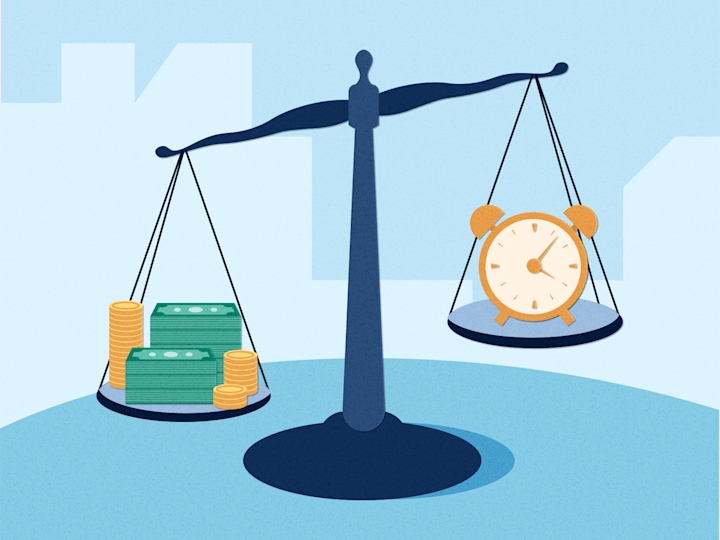
How Do Unions Affect Wages?
Labor unions play an important role in shaping wages and working conditions. A labor union is an organization that represents workers in negotiations with employers over issues such as pay, benefits, working hours, job security, and workplace policies. By bringing workers together, unions can give employees greater bargaining power than they might have individually. One of the most widely discussed effects of unions is their influence on wages.
Unions can affect wages in several ways, including through collective bargaining, minimum pay agreements, wage standards, and improved benefits. However, their effects can vary depending on the industry, economic conditions, union strength, and employer response.
Collective Bargaining and Higher Wages
The primary way unions influence wages is through collective bargaining. Instead of each employee negotiating separately with an employer, union members negotiate as a group. Union representatives may negotiate contracts covering wages, overtime pay, bonuses, annual increases, and other forms of compensation.
Because workers act collectively, they may have more bargaining power. A single employee may have limited ability to demand a higher wage, particularly when alternative jobs are scarce. A union can represent many employees at once, making it more difficult for an employer to ignore workers' demands.
As a result, unionized workers often have higher wages than comparable nonunion workers. The size of this wage difference varies considerably by country, industry, occupation, and worker characteristics.
Unions and Minimum Wage Standards
Unions can also raise wages by establishing wage floors within a workplace or industry. A collective bargaining agreement may specify that workers must receive at least a particular hourly wage or salary for a given position.
These agreements can create standardized pay structures. For example, employees with similar qualifications and responsibilities may receive similar compensation according to their job classification and experience. This can reduce arbitrary differences in pay and make wage progression more predictable.
In some cases, unions also advocate for higher statutory minimum wages and other labor protections. Their influence can therefore extend beyond their own members and contribute to broader wage standards.
Wage Increases Over Time
Union contracts frequently include provisions for wage increases. These may take the form of scheduled annual raises, cost-of-living adjustments, or increases tied to productivity or company performance.
Cost-of-living adjustments can be particularly important during periods of inflation. If prices rise significantly, workers may seek higher wages to maintain their purchasing power. A union can negotiate these increases on behalf of its members rather than requiring every employee to negotiate individually.
However, wage increases are not automatic. Employers may resist increases if they believe higher labor costs could reduce profits, competitiveness, or employment. The final wage depends on the outcome of negotiations and the economic circumstances facing both sides.
Unions and Employee Benefits
The effect of unions on compensation extends beyond wages. Unionized workers may negotiate for benefits such as health insurance, retirement contributions, paid vacation, sick leave, parental leave, bonuses, and overtime provisions.
These benefits have economic value even though they may not appear in an employee's hourly wage or salary. Consequently, comparing union and nonunion compensation only by wages can provide an incomplete picture.
For example, two employees might receive similar hourly wages, but the unionized employee could have a stronger retirement plan or more paid leave. Collective bargaining can therefore increase total compensation as well as direct wages.
Wage Equality and Pay Differences
Unions may also influence the distribution of wages among workers. Collective agreements often establish clear wage scales based on factors such as experience, qualifications, seniority, or job responsibilities.
This can reduce certain forms of wage inequality within a workplace. Workers in similar positions may have less variation in pay than they would under individually negotiated contracts.
Unions have also historically advocated for equal pay and protections against discrimination. By establishing transparent wage structures and grievance procedures, unions can give workers mechanisms for challenging unfair compensation practices.
At the same time, union wage structures can sometimes produce differences based on seniority. More experienced employees may receive higher wages than newer workers even when their current responsibilities are similar.
Effects on Nonunion Workers
The influence of unions can extend beyond union members. When unionized employers offer relatively attractive wages and benefits, competing employers may increase compensation to attract and retain workers.
This is sometimes called a spillover effect. A strong union presence in an industry or region can put upward pressure on wages more generally.
Unions can also influence industry standards through collective agreements. If one major employer agrees to higher wages, other employers may face pressure to provide competitive compensation.
However, the opposite can also occur. If union wages and employment costs become substantially higher than those of competitors, employers may attempt to reduce labor costs through automation, outsourcing, relocation, or changes in staffing.
The Possible Costs of Higher Union Wages
Higher wages can benefit workers, but they may also create challenges for employers. Labor is an important business expense, and significant increases in wages can raise production costs.
Employers may respond by increasing prices, reducing other expenses, investing in technology, limiting hiring, or restructuring operations. In extreme cases, businesses facing strong competitive pressure may reduce employment or move production to locations with lower labor costs.
This does not mean that unions necessarily cause unemployment. The outcome depends on many factors, including how much wages increase, how productive workers are, how competitive the industry is, and whether businesses can pass higher costs on to consumers.
Unions and Productivity
Higher union wages may sometimes be accompanied by higher productivity. Better-paid workers may be more motivated to remain with an employer, reducing employee turnover and recruitment costs. Unions can also negotiate training programs, workplace safety improvements, and clearer job responsibilities.
Experienced workers who stay longer with an organization can develop valuable skills and knowledge. In this way, higher compensation may be partly offset by improved productivity and lower turnover.
However, the relationship between unions and productivity is complex. Union rules and workplace agreements can sometimes restrict management flexibility. Whether the overall effect is positive depends heavily on how employers and unions cooperate.
The Role of Strikes and Bargaining Power
Unions can use collective action, including strikes, as a negotiating tool. A strike can temporarily stop or reduce production when workers and employers cannot reach an agreement.
The possibility of a strike can encourage employers to negotiate seriously, particularly when a large number of workers participate. At the same time, strikes can impose financial costs on both workers and employers.
Workers may lose wages during a strike, while businesses may lose revenue and productivity. For this reason, both sides often have an incentive to reach an agreement before a prolonged strike occurs.
Why Union Effects Differ
Unions do not affect wages in exactly the same way everywhere. Their influence depends on several factors.
Union bargaining power is important. A union representing a large share of workers may have more influence than a small organization.
Industry conditions also matter. Workers in highly profitable industries may have more opportunities to negotiate wage increases than workers in industries facing intense competition.
Labor market conditions are another factor. When skilled workers are scarce, employers may already need to offer high wages. When unemployment is high and many workers compete for jobs, unions may face greater difficulty securing large increases.
Government labor laws can also influence union effectiveness by determining how workers can organize, bargain, and strike.
Conclusion
Unions can have a significant effect on wages by increasing workers' bargaining power and allowing employees to negotiate collectively. They can help secure higher wages, regular pay increases, stronger benefits, clearer wage structures, and improved compensation standards.
Their influence can also extend to nonunion workers by encouraging competing employers to offer better compensation. At the same time, higher labor costs can create challenges for employers and may affect prices, hiring, investment, or business decisions.
Overall, unions are an important mechanism through which workers can collectively influence the price of labor. Their impact on wages is neither universally positive nor negative; it depends on the balance between worker bargaining power, employer interests, productivity, market conditions, and the broader economic environment. When collective bargaining is effective, unions can help workers obtain a larger share of the economic value created by their labor while also providing greater predictability and security in compensation.
- Arts
- Business
- Computers
- الألعاب
- Health
- الرئيسية
- Kids and Teens
- مال
- News
- Personal Development
- Recreation
- Regional
- Reference
- Science
- Shopping
- Society
- Sports
- Бизнес
- Деньги
- Дом
- Досуг
- Здоровье
- Игры
- Искусство
- Источники информации
- Компьютеры
- Личное развитие
- Наука
- Новости и СМИ
- Общество
- Покупки
- Спорт
- Страны и регионы
- World

 English
 Russian
 French
 Spanish
 Portuguese
 Deutsch
 Turkish
 Dutch
Dutch
 Italiano
 Romaian
 Portuguese (Brazil)
 Greek
Greek