
What is the scope of macroeconomics?
What Is the Scope of Macroeconomics?
Macroeconomics is the branch of economics that studies the economy as a whole. While microeconomics focuses on individual consumers, firms, and markets, macroeconomics examines broad economic forces that affect countries and societies. It is concerned with issues such as economic growth, inflation, unemployment, national income, interest rates, government policies, international trade, and business cycles.
The scope of macroeconomics is therefore broad. It helps explain how an economy performs, why economic conditions change, and how governments and central banks can respond to economic problems.
1. National Income and Output
One of the central areas of macroeconomics is the study of national income and economic output. Economists measure the value of goods and services produced within an economy using indicators such as gross domestic product (GDP).
Macroeconomics examines how national income is determined, how output changes over time, and what factors contribute to increases or decreases in production. It also studies the relationships among consumption, saving, investment, and government spending.
Understanding national income is important because it provides information about the overall economic performance and living standards of a country.
2. Economic Growth and Development
Macroeconomics studies long-term economic growth and the factors that determine an economy's productive capacity. Economic growth generally refers to an increase in the production of goods and services over time.
Important factors influencing growth include:
-
Investment in physical capital
-
Education and human capital
-
Technological progress
-
Natural resources
-
Infrastructure
-
Productivity
-
Institutions and economic policies
Macroeconomics also considers economic development, which goes beyond increases in output and includes improvements in living standards, employment opportunities, health, education, and economic welfare.
3. Inflation and Price Stability
Another major part of macroeconomics is the study of inflation. Inflation occurs when the general price level of goods and services rises over time, reducing the purchasing power of money.
Macroeconomists examine the causes and consequences of inflation. Inflation can result from strong demand, rising production costs, supply disruptions, monetary conditions, or other factors.
The study of inflation is closely connected with monetary policy. Central banks may adjust interest rates and use other policy tools to influence economic activity and maintain price stability.
4. Unemployment and Employment
Macroeconomics also examines employment and unemployment at the economy-wide level. Unemployment occurs when people who are willing and able to work cannot find suitable jobs.
Macroeconomists study different types of unemployment, including frictional, structural, and cyclical unemployment. They also examine the relationship between unemployment, economic growth, wages, and inflation.
High unemployment can reduce household income, lower consumer spending, decrease tax revenues, and create significant social costs. Understanding its causes helps policymakers design appropriate employment and economic policies.
5. Business Cycles
Economic activity does not always grow smoothly. Economies experience periods of expansion and contraction, commonly referred to as business cycles.
During an expansion, production, employment, income, and spending generally increase. During a recession, economic activity declines, unemployment may rise, and businesses may reduce investment.
Macroeconomics studies the causes, characteristics, and consequences of these fluctuations. It also examines policies that can help reduce severe economic downturns and support sustainable recoveries.
6. Monetary Economics
The scope of macroeconomics includes the study of money, banking, credit, and monetary policy. Money plays an important role in facilitating transactions and influencing economic activity.
Macroeconomists study how changes in the money supply, interest rates, credit conditions, and financial markets affect inflation, investment, consumption, employment, and output.
Central banks are particularly important in this area because they use monetary policy to influence economic conditions. Decisions concerning interest rates can affect borrowing, saving, investment, consumer spending, exchange rates, and inflation.
7. Fiscal Policy
Macroeconomics examines government taxation and spending through the study of fiscal policy. Governments can influence aggregate economic activity by changing public expenditure, taxes, and transfers.
During an economic downturn, a government may increase spending or reduce certain taxes to encourage demand. Conversely, during periods of excessive demand or high inflation, it may reduce spending or increase taxes.
Macroeconomics evaluates the effects of fiscal policy on output, employment, inflation, public debt, and economic stability.
8. Aggregate Demand and Aggregate Supply
A major theoretical area of macroeconomics is the study of aggregate demand and aggregate supply.
Aggregate demand represents total planned spending on goods and services in an economy. It includes consumption, investment, government spending, and net exports.
Aggregate supply represents the total quantity of goods and services that firms are willing and able to produce. The interaction between aggregate demand and aggregate supply helps explain changes in output, employment, and the general price level.
This framework is widely used to analyze recessions, inflation, and the effects of economic policies.
9. International Economics
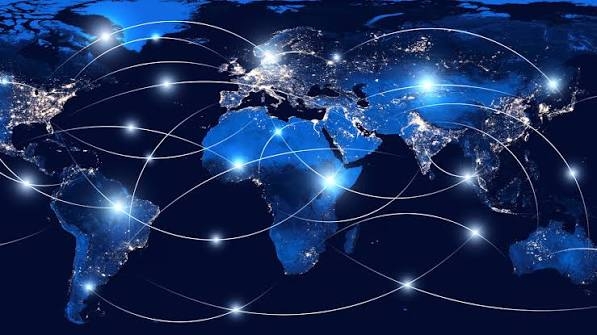
Although international economics is sometimes treated as a separate field, it forms an important part of modern macroeconomics. Countries are connected through international trade, investment, finance, and currency markets.
Macroeconomics studies topics such as:
-
Imports and exports
-
Balance of payments
-
Exchange rates
-
International capital flows
-
Trade policies
-
External debt
-
Global economic shocks
Because economies are increasingly interconnected, events in one country can have significant effects on other countries.
10. Exchange Rates and Open Economies
Macroeconomics examines how the value of one country's currency changes relative to other currencies. Exchange rates influence international trade, investment, inflation, and economic competitiveness.
For example, a depreciation of a country's currency can make its exports cheaper for foreign buyers but can also make imported goods more expensive. Macroeconomists therefore study exchange-rate systems and the factors that influence currency values.
11. Public Debt and Government Finance
Another area within the scope of macroeconomics is public debt. Governments may borrow money to finance spending when their expenditures exceed revenues.
Macroeconomists examine the causes and consequences of government deficits and debt. They consider questions such as whether borrowing supports productive investment, how debt affects interest rates, and whether high debt levels can create risks for long-term economic stability.
12. Economic Policy and Stabilization
A practical purpose of macroeconomics is to help policymakers achieve economic stability. Governments and central banks use economic information and models to respond to problems such as inflation, unemployment, recessions, and financial instability.
Stabilization policies generally aim to promote:
-
Stable prices
-
High and sustainable employment
-
Economic growth
-
Financial stability
-
Sustainable public finances
-
External economic balance
Macroeconomic analysis helps policymakers evaluate possible benefits and costs before implementing such measures.
13. Financial Stability
Modern macroeconomics also gives considerable attention to financial markets and financial stability. Banking crises, asset-price collapses, and disruptions in credit markets can have serious effects on the wider economy.
Macroeconomists study how financial institutions interact with households, businesses, governments, and international markets. This area became especially important following major global financial crises, which demonstrated how problems in financial markets can spread throughout an economy.
14. Macroeconomic Forecasting
Forecasting is another important application of macroeconomics. Governments, central banks, businesses, investors, and international organizations use macroeconomic forecasts to anticipate future economic conditions.
Forecasts may cover GDP growth, inflation, unemployment, interest rates, exchange rates, and other indicators. Although economic forecasts are uncertain, they can help organizations make better decisions about investment, employment, spending, and policy.
Conclusion
The scope of macroeconomics is extensive because it deals with the major forces that shape an entire economy. It covers national income, economic growth, inflation, unemployment, business cycles, monetary and fiscal policy, international trade, exchange rates, public debt, financial stability, and economic forecasting.
The importance of macroeconomics lies not only in understanding economic conditions but also in helping governments, businesses, and individuals make informed decisions. By examining relationships among major economic variables, macroeconomics provides a framework for understanding economic problems and developing policies that can support stability, growth, employment, and improved living standards.
In an increasingly interconnected world, the scope of macroeconomics continues to expand. Globalization, technological change, financial integration, demographic changes, and major international shocks have made economy-wide analysis more important than ever.
- Arts
- Business
- Computers
- Juegos
- Health
- Home
- Kids and Teens
- Money
- News
- Personal Development
- Recreation
- Regional
- Reference
- Science
- Shopping
- Society
- Sports
- Бизнес
- Деньги
- Дом
- Досуг
- Здоровье
- Игры
- Искусство
- Источники информации
- Компьютеры
- Личное развитие
- Наука
- Новости и СМИ
- Общество
- Покупки
- Спорт
- Страны и регионы
- World

 English
 Russian
 French
 Portuguese
 Deutsch
 Turkish
 Dutch
Dutch
 Italiano
 Arabic
 Romaian
 Portuguese (Brazil)
 Greek
Greek