
What is macroeconomics?
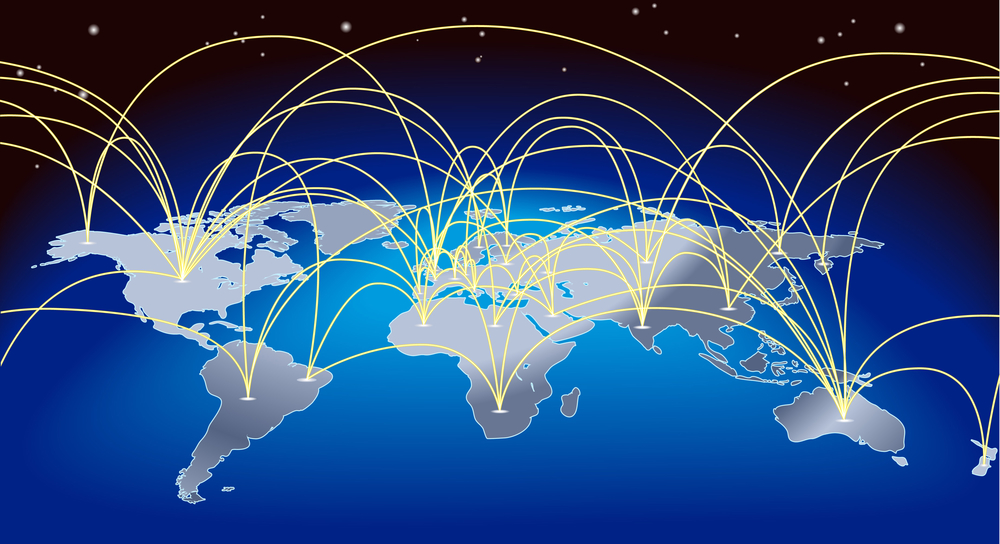
What Is Macroeconomics?
Macroeconomics is the branch of economics that studies the economy as a whole. While microeconomics focuses on individual consumers, workers, and businesses, macroeconomics examines broad economic forces such as inflation, unemployment, economic growth, national income, interest rates, and international trade. It helps explain why economies expand or contract and how governments and central banks can respond to economic challenges.
Macroeconomics is important because the performance of an entire economy affects the daily lives of millions of people. Changes in prices, employment, wages, interest rates, and economic growth can influence household finances, business decisions, and government policies.
The Main Areas of Macroeconomics
Macroeconomics covers several major areas of economic activity.
Economic Growth
Economic growth refers to an increase in the production of goods and services in an economy over time. It is commonly measured by changes in real gross domestic product (GDP).
Long-term economic growth can improve living standards by creating jobs, increasing incomes, and providing governments with more resources for public services. Economists study factors that contribute to growth, including investment, education, technological progress, productivity, infrastructure, and the availability of natural resources.
Inflation
Inflation is a sustained increase in the general level of prices for goods and services. When inflation rises, the purchasing power of money generally falls, meaning consumers need more money to purchase the same products.
Macroeconomists study the causes and consequences of inflation. Inflation can result from strong demand, rising production costs, supply disruptions, monetary conditions, or a combination of factors. Moderate and stable inflation is generally viewed differently from very high or unpredictable inflation, which can make financial planning difficult for households and businesses.
Unemployment
Unemployment occurs when people who are able and willing to work are unable to find jobs. The unemployment rate is an important indicator of economic health.
Macroeconomics examines why unemployment changes during the business cycle and how different types of unemployment arise. For example, unemployment may increase during a recession because businesses reduce production and hiring. Economists also study structural unemployment, which can occur when workers' skills do not match the jobs available.
Business Cycles
Economic activity does not always grow at a steady rate. Economies experience periods of expansion, when production and employment increase, and periods of slowdown or recession, when economic activity declines.
These fluctuations are known as the business cycle. Macroeconomists investigate why these cycles occur and how severe they may become. Understanding business cycles can help policymakers develop strategies to reduce economic instability.
Gross Domestic Product
One of the most important concepts in macroeconomics is gross domestic product, or GDP. GDP measures the market value of final goods and services produced within a country's borders during a specific period.
GDP can be used to assess the size and performance of an economy. Economists often compare real GDP over time to determine whether an economy is growing or shrinking.
However, GDP does not measure everything that contributes to people's well-being. It does not directly show how income is distributed, how satisfied people are with their lives, or the value of unpaid household work. Therefore, economists often consider GDP alongside other indicators when evaluating economic conditions.
Fiscal Policy
Fiscal policy involves government decisions about taxation and public spending. Governments can use fiscal policy to influence overall economic activity.
For example, during a recession, a government may increase public spending or reduce certain taxes to encourage consumption and investment. During periods of excessive demand, it may reduce spending or increase taxes to help control inflationary pressure.
Fiscal policy can also pursue longer-term objectives, such as improving infrastructure, education, healthcare, and economic productivity.
Monetary Policy
Monetary policy is primarily associated with a country's central bank. It involves managing interest rates, the money supply, and other financial conditions to influence economic activity.
When inflation is too high, a central bank may raise interest rates. Higher borrowing costs can reduce consumer spending and business investment, potentially easing inflationary pressure.
When economic activity is weak, a central bank may lower interest rates to make borrowing less expensive and encourage spending and investment. Monetary policy therefore plays a major role in stabilizing the economy.
International Trade and Macroeconomics
Modern economies are closely connected through international trade and financial flows. Macroeconomics therefore studies exports, imports, exchange rates, international investment, and the balance of payments.
Exchange rates determine the value of one currency relative to another. Changes in exchange rates can affect the prices of imported goods, the competitiveness of exports, tourism, and international investment.
International economic events can also have domestic consequences. For example, disruptions in global supply chains, changes in commodity prices, or financial crises in other countries can influence economic conditions at home.
Why Is Macroeconomics Important?
Macroeconomics provides a framework for understanding major economic problems. It helps governments determine appropriate policies, enables central banks to manage inflation and economic stability, and helps businesses make decisions about investment and employment.
It is also useful for individuals. Understanding macroeconomic conditions can help people interpret changes in wages, prices, interest rates, employment opportunities, and the cost of borrowing.
Macroeconomic analysis is especially important during periods of economic uncertainty. Recessions, rapid inflation, financial crises, and major supply disruptions can affect entire societies. Studying macroeconomics helps policymakers identify possible causes and evaluate different responses.
Macroeconomics and Everyday Life
Although macroeconomics deals with large-scale economic indicators, its effects can be seen in everyday life. If inflation increases, households may find that groceries, housing, transportation, and other necessities become more expensive. If unemployment rises, finding a job may become more difficult. If interest rates increase, mortgages and business loans may become more expensive.
Similarly, strong economic growth can create new employment opportunities and increase incomes. Government spending on infrastructure and public services can also influence communities and businesses.
Thus, macroeconomics is not simply the study of statistics and economic theories. It is closely connected to the financial decisions and opportunities people experience every day.
Conclusion
Macroeconomics is the study of the economy at the national and global level. It examines major issues such as economic growth, inflation, unemployment, business cycles, interest rates, government spending, taxation, and international trade.
By studying how these factors interact, macroeconomics helps explain changes in economic conditions and provides tools for developing public policies. Its ultimate purpose is not only to understand economic activity but also to help societies promote sustainable growth, price stability, employment, and improved living standards.
In an increasingly interconnected world, understanding macroeconomics is valuable for governments, businesses, researchers, students, and individuals. It provides a broad perspective on how economies function and how major economic decisions can shape people's lives.
- Arts
- Business
- Computers
- Spiele
- Health
- Startseite
- Kids and Teens
- Geld
- News
- Personal Development
- Recreation
- Regional
- Reference
- Science
- Shopping
- Society
- Sports
- Бизнес
- Деньги
- Дом
- Досуг
- Здоровье
- Игры
- Искусство
- Источники информации
- Компьютеры
- Личное развитие
- Наука
- Новости и СМИ
- Общество
- Покупки
- Спорт
- Страны и регионы
- World

 English
 Russian
 French
 Spanish
 Portuguese
 Turkish
 Dutch
Dutch
 Italiano
 Arabic
 Romaian
 Portuguese (Brazil)
 Greek
Greek