
Home Automation: Transforming Living Spaces into Smart Homes
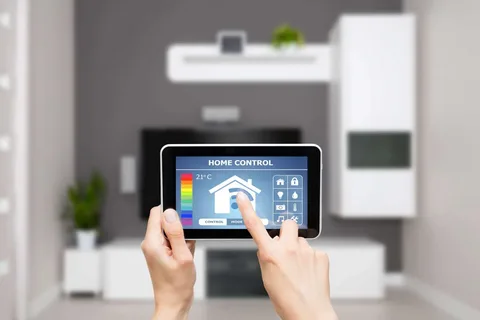
Home automation, often referred to as smart home technology, is revolutionizing how we interact with our living spaces. By integrating advanced technology into everyday household tasks, home automation enhances convenience, security, and energy efficiency. This article explores the benefits, technologies, and future trends in home automation.
What is Home Automation?
Home automation involves the use of smart devices and systems to control various functions of a home remotely or automatically. This can include lighting, heating, security systems, appliances, and more. By utilizing the Internet of Things (IoT), these devices communicate with each other and can be managed through smartphones, tablets, or voice commands.
Benefits of Home Automation
-
Increased Convenience
- Overview: Smart home devices simplify everyday tasks.
- Examples: Smart thermostats can adjust temperatures automatically, while smart lighting allows users to control lights from anywhere.
- Impact: Saves time and effort, enhancing the overall living experience.
-
Enhanced Security
- Overview: Home automation provides advanced security features.
- Examples: Smart cameras, doorbell cameras, and motion sensors offer real-time monitoring and alerts.
- Impact: Increases peace of mind by allowing homeowners to monitor their property remotely.
-
Energy Efficiency
- Overview: Automated systems can optimize energy use.
- Examples: Smart thermostats learn user preferences to adjust heating and cooling, while smart plugs can schedule appliances to run during off-peak hours.
- Impact: Reduces energy bills and minimizes environmental impact.
-
Improved Comfort
- Overview: Smart devices enhance the comfort level in homes.
- Examples: Automated blinds can adjust based on sunlight, and smart speakers can play music or control other devices with voice commands.
- Impact: Creates a more enjoyable and personalized living environment.
-
Remote Monitoring and Control
- Overview: Homeowners can manage their devices from anywhere.
- Examples: Smart home apps allow users to check security cameras, adjust lighting, and control appliances remotely.
- Impact: Provides flexibility and control, especially when away from home.
Key Technologies in Home Automation
-
Smart Lighting
- Description: LED bulbs that can be controlled remotely or programmed to operate on a schedule.
- Examples: Philips Hue, LIFX.
-
Smart Thermostats
- Description: Devices that learn user preferences and adjust heating and cooling automatically.
- Examples: Nest, Ecobee.
-
Home Security Systems
- Description: Integrated systems that include cameras, alarms, and door locks.
- Examples: Ring, Arlo, August Smart Lock.
-
Smart Appliances
- Description: Kitchen and household appliances that can be controlled remotely.
- Examples: Smart refrigerators, ovens, and washing machines.
-
Voice Assistants
- Description: Virtual assistants that allow users to control devices using voice commands.
- Examples: Amazon Alexa, Google Assistant, Apple Siri.
Future Trends in Home Automation
-
Interoperability and Integration
- Overview: Increased compatibility among different smart devices and platforms.
- Impact: Allows seamless control across various devices and brands, enhancing user experience.
-
Artificial Intelligence (AI)
- Overview: AI will play a larger role in learning user behaviors and preferences.
- Impact: More personalized and intuitive home automation systems that adapt over time.
-
Sustainability Focus
- Overview: Growing emphasis on energy-efficient technologies.
- Impact: Smart homes will prioritize renewable energy sources and reduce energy consumption.
-
Enhanced Security Features
- Overview: Advanced security solutions using AI and machine learning.
- Impact: Improved detection of potential threats and enhanced response systems.
-
Healthcare Integration
- Overview: Integration of health monitoring systems into home automation.
- Impact: Enables remote health monitoring for seniors or individuals with chronic conditions, enhancing safety and care.
Conclusion
Home automation is transforming the way we live, offering unprecedented convenience, security, and energy efficiency. As technology continues to evolve, smart homes will become more integrated and intelligent, providing personalized experiences that cater to individual needs. Embracing home automation not only enhances daily life but also sets the stage for a more sustainable and connected future.
- Arts
- Business
- Computers
- Jogos
- Health
- Início
- Kids and Teens
- Money
- News
- Personal Development
- Recreation
- Regional
- Reference
- Science
- Shopping
- Society
- Sports
- Бизнес
- Деньги
- Дом
- Досуг
- Здоровье
- Игры
- Искусство
- Источники информации
- Компьютеры
- Личное развитие
- Наука
- Новости и СМИ
- Общество
- Покупки
- Спорт
- Страны и регионы
- World

 English
 Russian
 French
 Spanish
 Deutsch
 Turkish
 Dutch
Dutch
 Italiano
 Arabic
 Romaian
 Portuguese (Brazil)
 Greek
Greek
