
What Tools Are Commonly Used in Project Management?
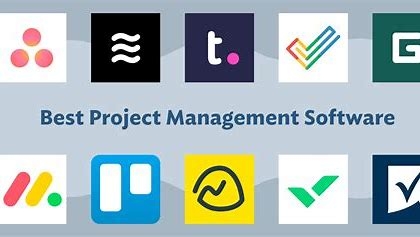
Project management is a structured approach to planning, executing, and completing projects efficiently. To ensure success, project managers rely on various tools to help track progress, manage tasks, and coordinate teams. These tools range from simple visual aids to comprehensive software platforms, each serving a unique purpose in the management process.
1. Charts for Scheduling and Tracking Progress
Charts are essential in project management for visualizing timelines, dependencies, and milestones. The Gantt chart is one of the most widely used types, offering a timeline view of project tasks. It helps teams see when tasks start and end, how they overlap, and how delays might impact the overall schedule. Other charts, like PERT (Program Evaluation Review Technique), are used to analyze and represent the tasks involved in completing a project.
2. Kanban Boards for Visualizing Workflow
Kanban boards are a popular tool for visualizing the status of tasks within a workflow. Based on lean and agile principles, these boards break tasks into columns such as “To Do,” “In Progress,” and “Done.” Tools like Trello or Jira use digital Kanban boards that allow team members to drag and drop tasks, assign owners, and track progress in real-time. This visual system enhances team collaboration and makes bottlenecks easier to identify.
3. Project Management Software
Comprehensive project management software platforms integrate multiple tools into one system, enabling teams to manage tasks, resources, timelines, and budgets more effectively. Popular examples include:
-
Asana: Great for task assignment and team collaboration.
-
Trello: Known for its simple, card-based Kanban system.
-
Microsoft Project: Offers robust scheduling, budgeting, and reporting features ideal for complex projects.
These tools often include features such as time tracking, file sharing, communication channels, and performance reporting, making them invaluable for project coordination.
Choosing the Right Tools
The choice of project management tools depends on the project’s size, complexity, team dynamics, and methodology (Agile, Waterfall, Hybrid). A small team might do well with a basic Kanban board, while larger teams working on complex deliverables may require a comprehensive project management suite.
Conclusion
Having the right tools in place allows project managers to maintain control, foster collaboration, and deliver successful outcomes. Whether it’s visual aids like charts and Kanban boards or integrated software platforms, each tool plays a crucial role in keeping the project on track and aligned with its goals.
- Arts
- Business
- Computers
- Jeux
- Health
- Domicile
- Kids and Teens
- Argent
- News
- Personal Development
- Recreation
- Regional
- Reference
- Science
- Shopping
- Society
- Sports
- Бизнес
- Деньги
- Дом
- Досуг
- Здоровье
- Игры
- Искусство
- Источники информации
- Компьютеры
- Личное развитие
- Наука
- Новости и СМИ
- Общество
- Покупки
- Спорт
- Страны и регионы
- World

 English
 Russian
 Spanish
 Portuguese
 Deutsch
 Turkish
 Dutch
Dutch
 Italiano
 Arabic
 Romaian
 Portuguese (Brazil)
 Greek
Greek
