
What Could Go Wrong? Identifying Risk Factors and Planning Mitigations
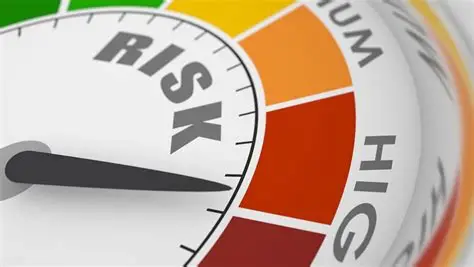
Every project, regardless of size or complexity, carries an element of uncertainty. Identifying what could go wrong and understanding potential risk factors early in the project lifecycle is critical to minimizing disruptions, avoiding failure, and improving the chances of success. A structured approach to risk management helps teams stay proactive rather than reactive.
What Could Go Wrong?
Risks are potential events or conditions that, if they occur, could negatively impact a project’s objectives—whether related to scope, schedule, cost, or quality. These can stem from various sources, such as technical challenges, resource limitations, market changes, or external dependencies.
Common project risks include:
-
Scope creep: Uncontrolled expansion of project scope without adjustments to time or budget.
-
Resource constraints: Lack of skilled personnel or availability of key resources.
-
Unrealistic timelines: Overly ambitious schedules leading to missed deadlines or rushed work.
-
Technical failures: Integration issues, software bugs, or unforeseen technical obstacles.
-
Stakeholder conflicts: Misaligned priorities or lack of clear communication.
Identifying Risk Factors
To manage risks effectively, they must first be identified. This can be done through:
-
Brainstorming sessions with the team and stakeholders
-
SWOT analysis to understand internal and external threats
-
Historical data from past projects to identify patterns
-
Expert judgment from experienced project managers
Key categories to consider when identifying risks:
-
Operational – Processes, systems, or technology-related risks
-
Financial – Budget overruns, funding gaps, or cost estimation errors
-
Legal/Compliance – Regulatory changes or contractual issues
-
External – Market shifts, vendor reliability, or natural events
Planning Mitigations
Risk mitigation involves developing strategies to reduce the likelihood of a risk occurring or minimize its impact if it does. Effective risk response strategies include:
-
Avoidance: Changing plans to eliminate the risk.
-
Reduction: Taking actions to reduce the probability or impact.
-
Transfer: Shifting the risk to a third party (e.g., insurance or outsourcing).
-
Acceptance: Acknowledging the risk and preparing contingency plans.
Developing a risk register or matrix helps track identified risks, assess their impact and probability, and assign response strategies and owners.
Staying Ahead of Risks
Risk management is not a one-time activity. It requires continuous monitoring and communication. Regular risk reviews, status updates, and scenario planning ensure that the project can adapt to emerging threats quickly.
Conclusion
Uncertainty is an unavoidable aspect of project management—but being unprepared is not. By identifying risk factors early and planning mitigation strategies, teams gain better control over their outcomes, protect resources, and increase resilience in the face of change.
- Arts
- Business
- Computers
- Jocuri
- Health
- Home
- Kids and Teens
- Money
- News
- Personal Development
- Recreation
- Regional
- Reference
- Science
- Shopping
- Society
- Sports
- Бизнес
- Деньги
- Дом
- Досуг
- Здоровье
- Игры
- Искусство
- Источники информации
- Компьютеры
- Личное развитие
- Наука
- Новости и СМИ
- Общество
- Покупки
- Спорт
- Страны и регионы
- World

 English
 Russian
 French
 Spanish
 Portuguese
 Deutsch
 Turkish
 Dutch
Dutch
 Italiano
 Arabic
 Portuguese (Brazil)
 Greek
Greek
