
Key Challenges and Outcomes: What’s Most Difficult and Impactful?
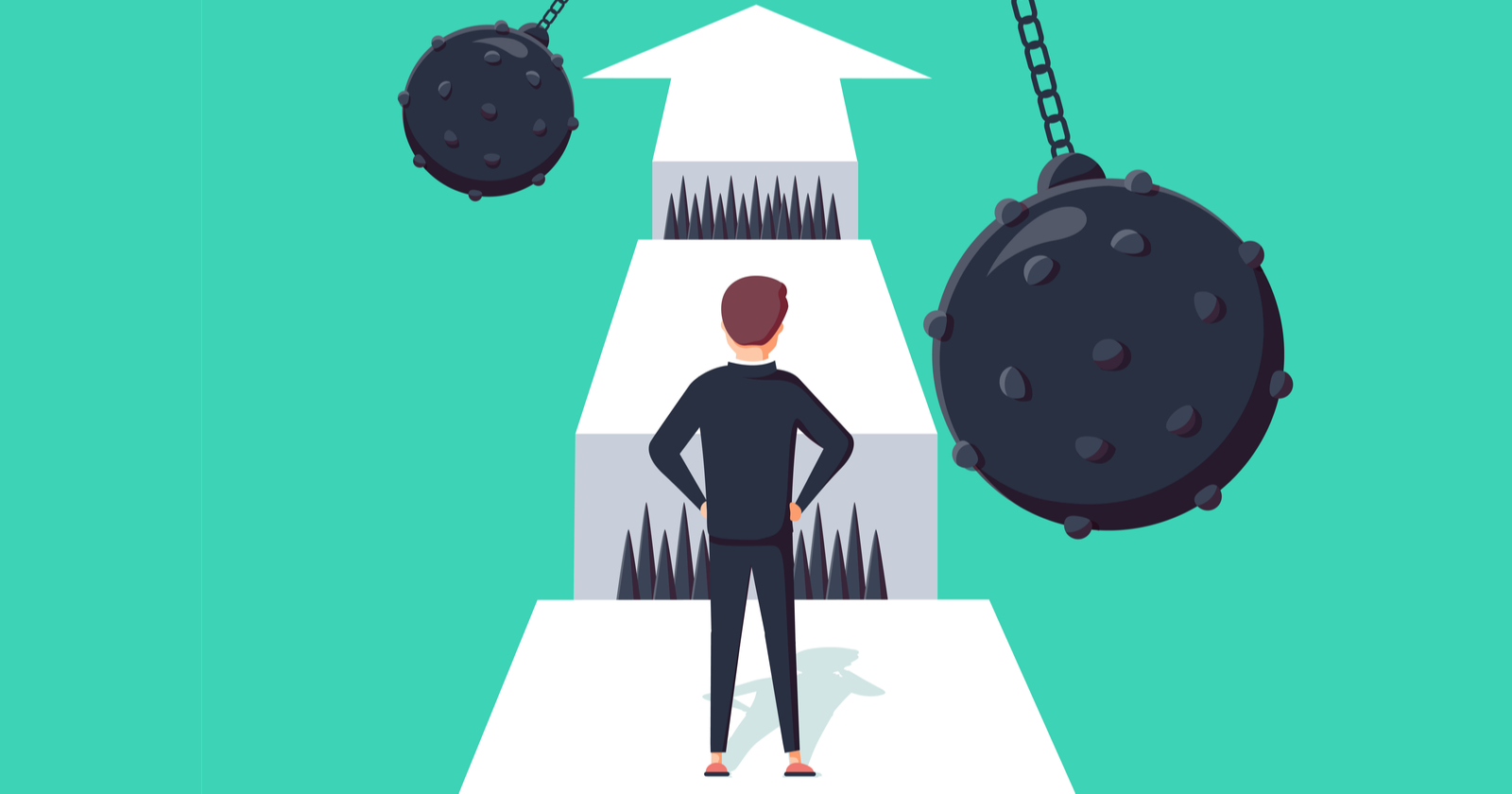
Mentoring and coaching relationships can be transformative—but they’re not without their challenges. The process of guiding, supporting, and developing another person involves navigating complexity, vulnerability, and change. Understanding both the key difficulties and the most meaningful outcomes helps set realistic expectations and fosters deeper commitment from both parties.
1. Common Challenges in Mentoring and Coaching
a. Building Trust
Trust is foundational—but it takes time. When trust is absent or slow to form, participants may hold back, limiting depth and progress.
b. Misaligned Expectations
Without clarity around goals, roles, or boundaries, confusion can arise. This may lead to frustration or disengagement.
c. Time Constraints
Busy schedules often interfere with consistency. Cancelled or rushed sessions can stall momentum.
d. Navigating Feedback
Giving and receiving feedback—especially constructive or critical—can feel uncomfortable. It requires emotional intelligence and care.
e. Power Dynamics
In some relationships, especially those across hierarchies, perceived power imbalances can inhibit openness or authenticity.
2. Most Impactful Outcomes
Despite the challenges, effective mentoring and coaching often produce lasting, powerful results:
a. Clarity and Confidence
Clients and mentees often walk away with greater self-awareness, decision-making clarity, and belief in their capabilities.
b. Accelerated Growth
Focused support helps individuals reach goals faster—whether it’s a career pivot, leadership development, or skill-building.
c. Expanded Perspective
A mentor or coach can challenge assumptions, offering new ways of thinking that shift mindsets and unlock potential.
d. Stronger Relationships and Networks
Mentoring builds deeper professional connections and often leads to expanded networks, especially when mentors make introductions or advocate for mentees.
e. Increased Engagement and Performance
Those who feel supported in their growth tend to show higher motivation, better focus, and greater resilience at work.
3. Balancing Challenge with Impact
The best relationships don't avoid difficulty—they embrace it constructively. In fact, the challenges themselves often catalyze the breakthroughs that lead to the most meaningful outcomes.
Key to this balance:
-
Set and revisit expectations
-
Commit to open, respectful communication
-
Create space for reflection and honest feedback
-
Stay flexible and patient—growth takes time
Conclusion
Mentoring and coaching come with real challenges—trust-building, time management, and navigating tough conversations among them. But when done well, the outcomes are equally significant: enhanced clarity, personal growth, and measurable impact on performance and confidence. Embracing both the hard and the rewarding aspects is what makes these relationships so powerful.
- Arts
- Business
- Computers
- Jogos
- Health
- Início
- Kids and Teens
- Money
- News
- Personal Development
- Recreation
- Regional
- Reference
- Science
- Shopping
- Society
- Sports
- Бизнес
- Деньги
- Дом
- Досуг
- Здоровье
- Игры
- Искусство
- Источники информации
- Компьютеры
- Личное развитие
- Наука
- Новости и СМИ
- Общество
- Покупки
- Спорт
- Страны и регионы
- World

 English
 Russian
 French
 Spanish
 Portuguese
 Deutsch
 Turkish
 Dutch
Dutch
 Italiano
 Arabic
 Romaian
 Greek
Greek