
How to Respect Start/End Times? Keeping Meetings Punctual and On-Time
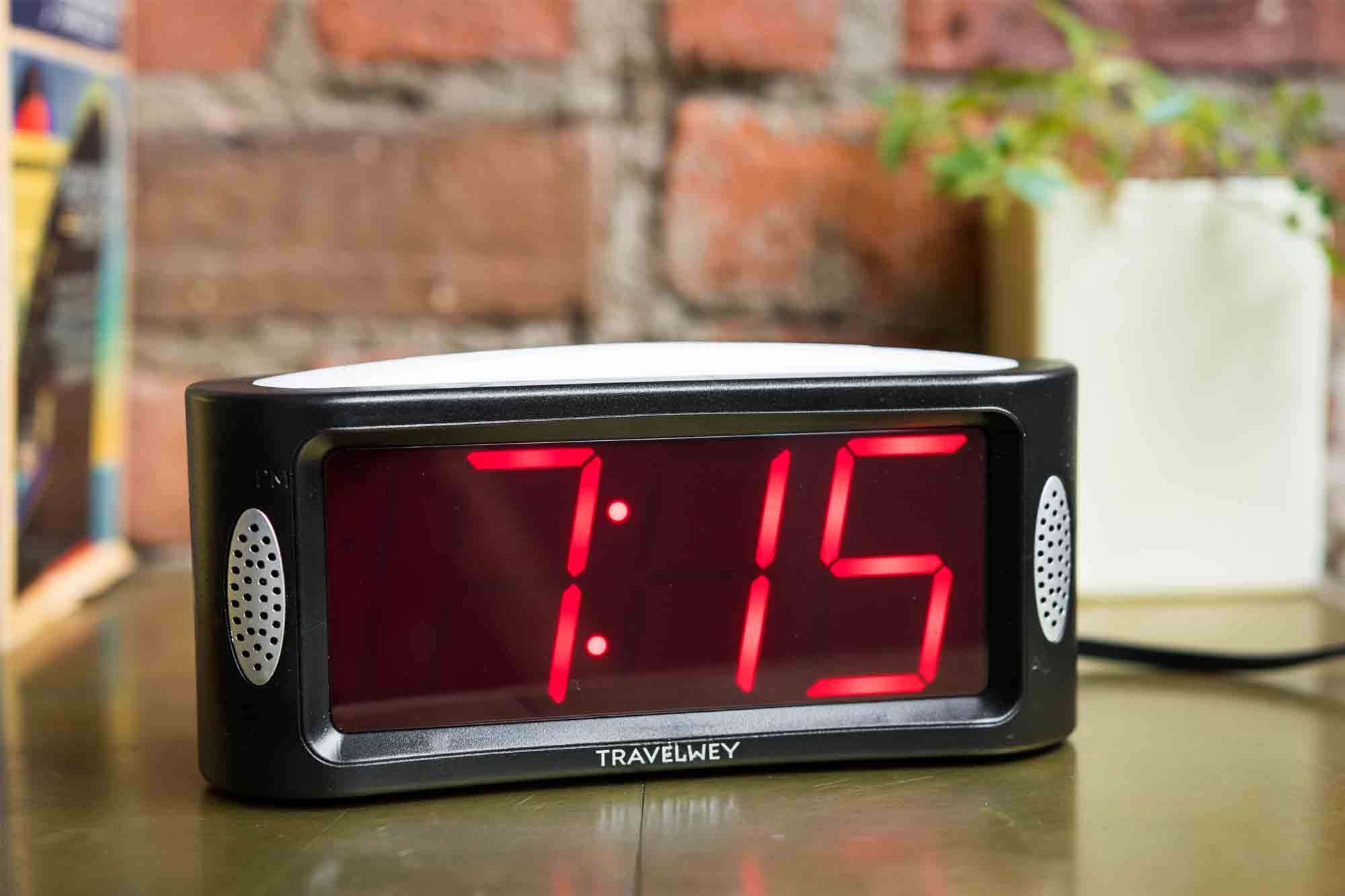
Meeting punctuality is more than just good etiquette—it's essential for team productivity and mutual respect. In a professional environment where schedules are often tight and meetings back-to-back, starting and ending on time reflects organizational discipline and boosts team morale.
Why Punctuality in Meetings Matters
When meetings run over time, they disrupt everyone's workflow. Attendees may be forced to leave early, miss critical discussions, or arrive late to their next obligation. Over time, chronic delays reduce respect for the meeting process itself and lead to disengagement.
Respecting start and end times is a visible sign of respecting your team's time. It also enhances focus, especially when people know they won’t be stuck in a meeting that drags on longer than necessary.
Causes of Meeting Delays
Some common reasons meetings fail to start or end on time include:
-
Waiting for late arrivals
-
No clear agenda
-
Poor facilitation
-
Tangents or scope creep
-
Lack of timeboxing
Each of these can be mitigated with proper planning and strong leadership.
Best Practices for Punctual Meetings
-
Start on time, no matter who is missing: Set a precedent that punctuality is valued.
-
Distribute an agenda in advance: Let attendees know what to expect and how long each topic will take.
-
Use a visible timer or timekeeper: Keeping time in view helps the group self-regulate.
-
Timebox discussions: Allocate specific time slots for each agenda item.
-
Use a 'parking lot': When off-topic ideas arise, note them for future discussion so the meeting stays focused.
-
Have clear roles: Assign a facilitator or meeting leader to guide the pace.
-
Close with 5 minutes to spare: Wrap up early to allow for transitions and final questions.
-
Follow up after: If more discussion is needed, schedule a separate time instead of running over.
Culture Starts at the Top
If leadership is always late or lets meetings run over, others will follow suit. Leaders need to model punctuality and discipline. Over time, this builds a culture where meetings are lean, focused, and respected.
Tools That Help
Tools like Calendly, Google Calendar alerts, or even meeting productivity platforms like Fellow or Hugo can help keep time and automate prompts for wrap-up. Integrating reminders and clear time allocations into your meeting culture will train teams to plan better and contribute more effectively.
Punctual meetings show your team that their time is valuable and that you’re committed to results. The more consistent your respect for the clock, the more likely others will respect your meetings.
- Arts
- Business
- Computers
- Spellen
- Health
- Home
- Kids and Teens
- Money
- News
- Personal Development
- Recreation
- Regional
- Reference
- Science
- Shopping
- Society
- Sports
- Бизнес
- Деньги
- Дом
- Досуг
- Здоровье
- Игры
- Искусство
- Источники информации
- Компьютеры
- Личное развитие
- Наука
- Новости и СМИ
- Общество
- Покупки
- Спорт
- Страны и регионы
- World

 English
 Russian
 French
 Spanish
 Portuguese
 Deutsch
 Turkish
 Italiano
 Arabic
 Romaian
 Portuguese (Brazil)
 Greek
Greek
