
What is a Credit Score?
What is a Credit Score?
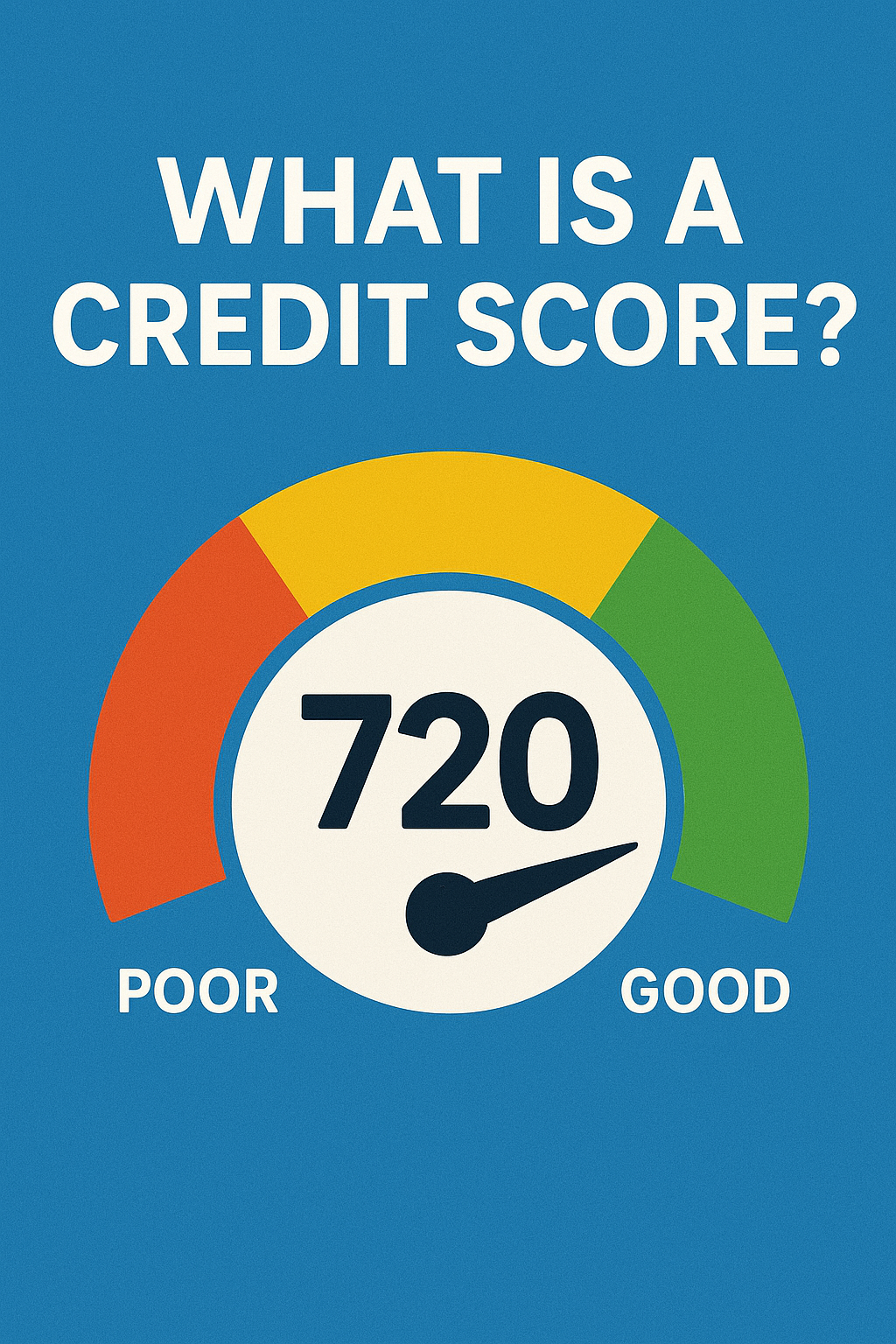
A credit score is a three-digit number that represents a person’s creditworthiness, or how likely they are to repay borrowed money on time. It is one of the most important tools lenders, landlords, and even some employers use to evaluate financial responsibility.
How Credit Scores Work
Credit scores are typically based on information found in your credit report, which is a detailed record of your borrowing and repayment history. The most widely used credit scoring models, such as FICO® and VantageScore®, calculate scores on a scale that usually ranges from 300 to 850.
-
Higher scores suggest you are a lower credit risk, meaning you are more likely to repay debts responsibly.
-
Lower scores may indicate missed payments, high debt levels, or other risk factors.
Key Factors That Influence a Credit Score
Several elements contribute to how a credit score is determined:
-
Payment history (35%) – Whether you pay your bills on time.
-
Credit utilization (30%) – The ratio of your credit card balances to your credit limits.
-
Length of credit history (15%) – How long your credit accounts have been active.
-
Credit mix (10%) – A variety of credit types, such as credit cards, loans, and mortgages.
-
New credit inquiries (10%) – How often you apply for new credit.
Why Credit Scores Matter
Your credit score can affect many aspects of your financial life, including:
-
Loan approvals – Lenders use it to decide whether to approve you for credit cards, car loans, and mortgages.
-
Interest rates – A higher score often means lower interest rates, saving you money over time.
-
Housing – Landlords may check your credit score before approving a rental application.
-
Employment – Some employers review credit reports as part of the hiring process (though not the score itself).
How to Improve Your Credit Score
Improving your credit score takes time, but consistent positive financial habits can make a big difference. Some strategies include:
-
Pay bills on time, every time.
-
Keep credit card balances low relative to your limits.
-
Avoid opening too many accounts in a short period.
-
Review your credit report regularly to correct any errors.
Frequently Asked Questions (FAQ)
1. What is considered a good credit score?
Generally, a score of 670 or higher is considered good, while scores above 740 are seen as very good to excellent.
2. How often should I check my credit score?
It’s wise to check your credit score at least a few times per year. Many banks and credit card issuers provide free score updates.
3. Does checking my own credit score hurt it?
No. Checking your own credit score is considered a “soft inquiry” and does not affect your score.
4. How long does negative information stay on my credit report?
Most negative marks, such as late payments, stay on your report for seven years. Bankruptcies can remain for up to ten years.
5. Can I build credit without a credit card?
Yes. Alternatives include taking out a small loan, becoming an authorized user on someone else’s account, or using rent-reporting services that share your on-time payments with credit bureaus.
6. Do all lenders use the same credit score?
Not always. While FICO® is the most common, some lenders use VantageScore® or other models, which may result in slightly different numbers.
Final Thoughts
A credit score is more than just a number—it’s a reflection of your financial habits and responsibility. By understanding how scores are calculated and taking steps to build healthy credit, you can unlock better financial opportunities and reduce the cost of borrowing in the future.
- Arts
- Business
- Computers
- Παιχνίδια
- Health
- Κεντρική Σελίδα
- Kids and Teens
- Money
- News
- Personal Development
- Recreation
- Regional
- Reference
- Science
- Shopping
- Society
- Sports
- Бизнес
- Деньги
- Дом
- Досуг
- Здоровье
- Игры
- Искусство
- Источники информации
- Компьютеры
- Личное развитие
- Наука
- Новости и СМИ
- Общество
- Покупки
- Спорт
- Страны и регионы
- World

 English
 Russian
 French
 Spanish
 Portuguese
 Deutsch
 Turkish
 Dutch
Dutch
 Italiano
 Arabic
 Romaian
 Portuguese (Brazil)
