
What affects my credit rating?
What affects my credit rating?
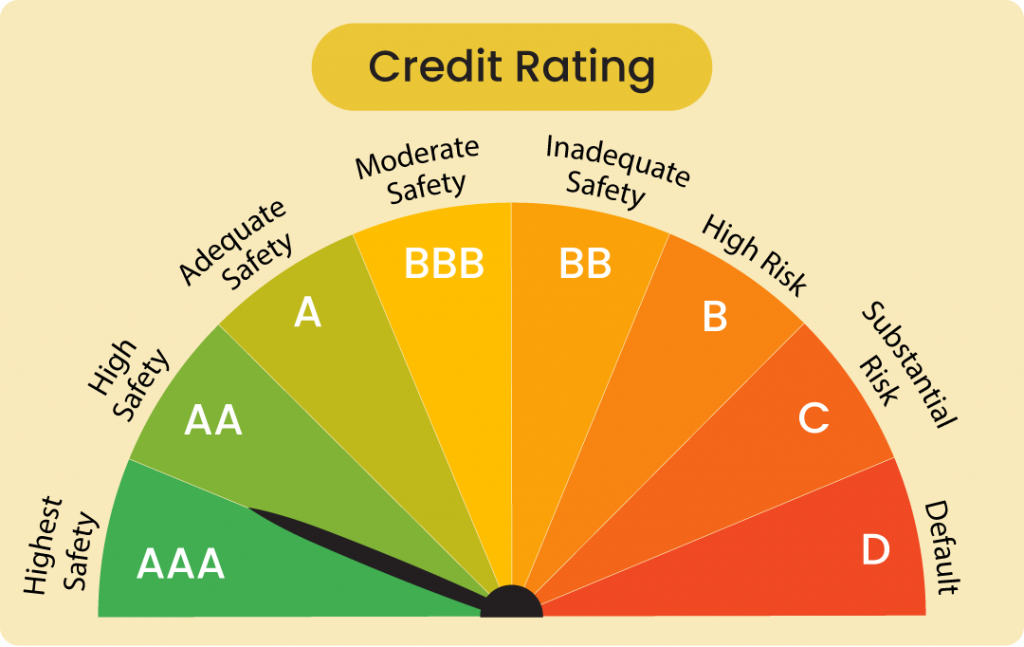
A credit rating is one of the most important financial markers you have. It influences whether you can borrow money, the interest rates you’re offered, and sometimes even your ability to rent a home or get a job. Understanding what affects your credit rating can help you make better financial decisions and avoid surprises when you need access to credit.
1. Payment History
Your payment history is typically the single most important factor in your credit score. Lenders want to see that you pay your bills on time. Late or missed payments, defaults, or accounts sent to collections can have a significant negative impact on your rating.
2. Credit Utilization
Credit utilization refers to how much of your available credit you’re currently using. For example, if you have a credit card with a £5,000 limit and you regularly carry a balance of £4,000, your utilization is 80%—which is considered high. Generally, it’s recommended to keep this figure below 30%, as using too much of your available credit may suggest to lenders that you’re overextended.
3. Length of Credit History
The longer your history of managing credit responsibly, the better. Lenders like to see a track record of consistent and reliable borrowing. Closing older accounts too quickly can shorten your credit history and potentially lower your score.
4. Types of Credit Used
Having a mix of different types of credit—such as a mortgage, a car loan, and a credit card—can work in your favour. It demonstrates to lenders that you can manage various forms of borrowing responsibly. That said, you don’t need to take on unnecessary debt just to diversify your profile.
5. New Credit Applications
Every time you apply for new credit, the lender runs a check on your file. Too many applications in a short period can make you look risky, even if you’re approved. This is because multiple credit inquiries may signal that you’re struggling to obtain funds.
6. Public Records and Negative Marks
Bankruptcies, county court judgments (CCJs), and other public records can damage your credit rating for years. These marks show lenders that you’ve had significant financial difficulties in the past.
7. Errors in Your Credit Report
Mistakes happen, and errors on your credit file—like payments wrongly marked as missed or old accounts still showing as open—can drag down your score. It’s important to check your credit report regularly and dispute any inaccuracies.
Final Thoughts
Your credit rating isn’t fixed—it changes over time depending on your financial behaviour. By paying bills on time, keeping credit balances low, avoiding unnecessary applications, and monitoring your report for errors, you can build and maintain a strong rating. A healthy credit score not only improves your access to borrowing but can also save you money in the long run through lower interest rates and better financial opportunities.
- Arts
- Business
- Computers
- Spiele
- Health
- Startseite
- Kids and Teens
- Geld
- News
- Personal Development
- Recreation
- Regional
- Reference
- Science
- Shopping
- Society
- Sports
- Бизнес
- Деньги
- Дом
- Досуг
- Здоровье
- Игры
- Искусство
- Источники информации
- Компьютеры
- Личное развитие
- Наука
- Новости и СМИ
- Общество
- Покупки
- Спорт
- Страны и регионы
- World

 English
 Russian
 French
 Spanish
 Portuguese
 Turkish
 Dutch
Dutch
 Italiano
 Arabic
 Romaian
 Portuguese (Brazil)
 Greek
Greek
