
What is a 401(k)?
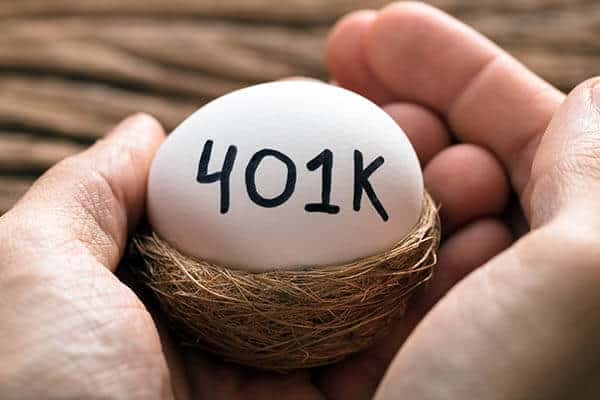
What is a 401(k)?
A 401(k) is a retirement savings plan offered by many employers in the United States, designed to help workers set aside money for their future. Named after a section of the U.S. Internal Revenue Code, a 401(k) provides employees with the opportunity to contribute a portion of their earnings into an investment account, often with significant tax advantages.
How a 401(k) Works
Employees can choose to defer part of their paycheck into their 401(k), which is then invested in a selection of funds such as mutual funds, stocks, or bonds. There are two main types of contributions:
-
Traditional 401(k): Contributions are made pre-tax, reducing taxable income in the year they are made. Taxes are paid later when withdrawals begin, typically in retirement.
-
Roth 401(k): Contributions are made with after-tax income, meaning there’s no immediate tax break, but qualified withdrawals in retirement are tax-free.
Employer Contributions
Many employers offer matching contributions, which is essentially “free money” added to an employee’s retirement savings. For example, an employer might match 50% of contributions up to 6% of the employee’s salary. This benefit significantly boosts retirement savings over time.
Contribution Limits
The IRS sets annual contribution limits for 401(k) plans. For 2025, the maximum employee contribution limit is $23,000, with an additional $7,500 “catch-up” contribution allowed for those aged 50 and older. Employer contributions do not count toward this individual limit but are subject to an overall cap.
Withdrawals and Penalties
Withdrawals from a traditional 401(k) before age 59½ usually incur a 10% early withdrawal penalty, in addition to income taxes. However, exceptions exist for hardships, certain medical expenses, or other qualifying circumstances. Required minimum distributions (RMDs) generally begin at age 73 for traditional 401(k)s, though Roth 401(k)s follow different rules.
Why a 401(k) Matters
A 401(k) allows employees to build wealth over time through consistent contributions and the power of compound growth. The tax advantages, potential employer match, and automatic payroll deductions make it one of the most effective tools for retirement planning.
Frequently Asked Questions (FAQ)
1. Do I have to contribute to a 401(k) if my employer offers one?
No, participation is voluntary. However, many employers automatically enroll employees unless they opt out.
2. What happens to my 401(k) if I change jobs?
You typically have several options: leave the money in your former employer’s plan, roll it over to your new employer’s plan, or transfer it into an individual retirement account (IRA).
3. Can I borrow money from my 401(k)?
Some plans allow loans, but not all. Loans must be repaid with interest, and if you leave your job, repayment terms may accelerate.
4. Is my 401(k) money guaranteed?
No. Your savings are invested in market-based options, so returns can fluctuate. However, over the long term, investments typically grow in value.
5. When should I start contributing to a 401(k)?
The earlier, the better. Starting young allows your money more time to grow through compounding, even if you can only contribute a small amount at first.
6. What’s the difference between a 401(k) and an IRA?
Both are retirement savings accounts, but a 401(k) is employer-sponsored, while an IRA is set up individually. Contribution limits and eligibility rules also differ.
Final Thoughts
Understanding how a 401(k) works is the first step in making the most of it. By contributing regularly, taking full advantage of employer matches, and choosing investments wisely, employees can set themselves on a strong path toward financial security in retirement.
- Arts
- Business
- Computers
- Jogos
- Health
- Início
- Kids and Teens
- Money
- News
- Personal Development
- Recreation
- Regional
- Reference
- Science
- Shopping
- Society
- Sports
- Бизнес
- Деньги
- Дом
- Досуг
- Здоровье
- Игры
- Искусство
- Источники информации
- Компьютеры
- Личное развитие
- Наука
- Новости и СМИ
- Общество
- Покупки
- Спорт
- Страны и регионы
- World

 English
 Russian
 French
 Spanish
 Portuguese
 Deutsch
 Turkish
 Dutch
Dutch
 Italiano
 Arabic
 Romaian
 Greek
Greek