
How Do I Tell a Story in a Presentation?
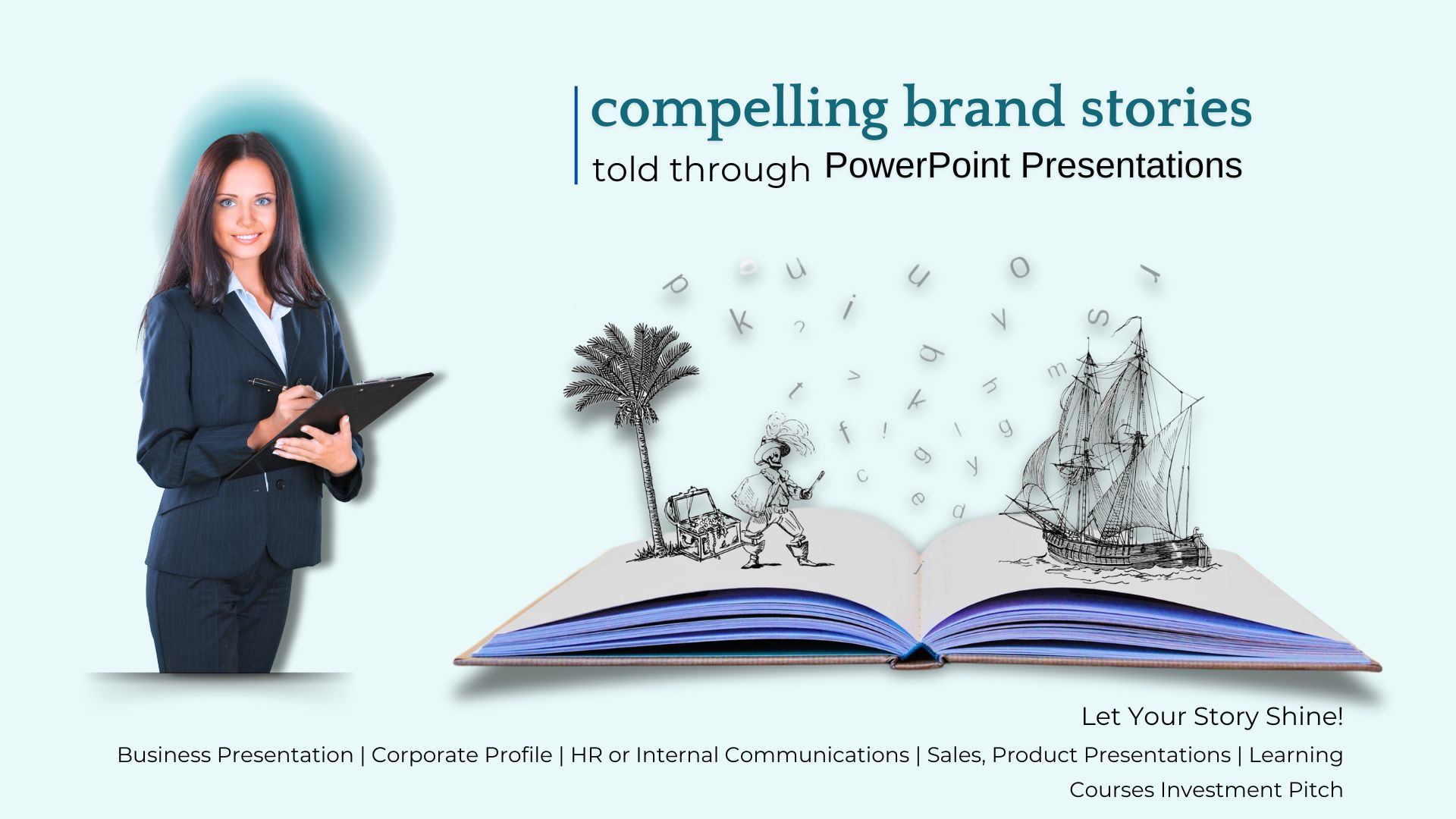
Whether you're giving a class project, pitching an idea, persuading a group, or sharing research, storytelling is one of the most powerful tools you can use. Humans remember stories far more easily than facts. A story can make your message relatable, emotional, and memorable in ways that charts and bullet points simply can’t.
This guide breaks down how to build, structure, and deliver a story inside any presentation — even if you’re not a natural storyteller.
1. Why Storytelling Works
Stories activate parts of the brain connected to memory, emotion, and imagination. They help:
-
Make complex ideas simple
-
Capture attention
-
Build emotional connections
-
Increase persuasion
-
Improve audience recall
People may forget your data, but they won’t forget your story.
2. Where Stories Fit into a Presentation
You don’t need an entire speech to be one giant story. Instead, storytelling can fit into key moments:
2.1 The Opening
A story is one of the strongest ways to begin a presentation:
-
A personal experience
-
A surprising event
-
A scenario the audience can picture
This hooks attention immediately.
2.2 Throughout the Body
You can use stories to:
-
Explain how a problem affects real people
-
Share how you discovered your idea
-
Illustrate a point
-
Break up complex information
2.3 The Ending
A story can help you close with emotion or meaning:
-
A return to the opening story
-
An inspirational example
-
A vision of a better future
3. Types of Stories You Can Use
Not sure what kind of story to tell? Here are reliable types that work in presentations of all kinds.
3.1 Personal Stories
These are usually the most powerful because they are authentic.
Examples:
-
A challenge you overcame
-
A mistake you learned from
-
A moment that changed your perspective
3.2 Case Studies / Real Examples
Great for informational or persuasive presentations.
Examples:
-
A student who improved their grades through better habits
-
A community project that made a difference
3.3 Relatable Everyday Stories
These make abstract topics easy to understand.
Examples:
-
“Imagine waking up tomorrow and your phone didn’t work…”
-
“Think about the last time you waited too long in a line…”
3.4 Hypothetical Stories
Used when real examples are limited.
Example:
-
“Let’s imagine you’re starting a new business with $100…”
3.5 Historical or Famous Stories
Useful in educational presentations.
Examples:
-
Inventors
-
Activists
-
Scientists
-
Leaders
4. The Structure of a Great Story
Every compelling story in a presentation follows a simple, universal structure.
4.1 The Hook
Grab attention:
-
A conflict
-
A surprising moment
-
A relatable situation
4.2 The Conflict
The challenge or tension:
-
A problem
-
A struggle
-
A turning point
This is what makes people care.
4.3 The Turning Point
Something changes:
-
A realization
-
A discovery
-
A decision
4.4 The Resolution
How things end:
-
What happened
-
What lesson was learned
-
What the audience should understand
This helps connect the story to your message.
5. How to Build a Story for Your Presentation
Here is a step-by-step method you can use to craft your story.
Step 1: Identify the main message
Ask yourself:
“What is the one point this story needs to prove?”
Step 2: Choose the moment
Pick an experience that illustrates the message.
Step 3: Reduce it to essential details
No one needs every detail. Keep only what:
-
Builds emotion
-
Builds understanding
-
Moves the story forward
Step 4: Add vivid imagery
Use simple, descriptive details that help people picture the scene.
Step 5: Practice delivering it naturally
Don’t memorize word-for-word.
Just remember:
-
The key events
-
The emotion
-
The message
6. Storytelling Techniques to Engage Your Audience
These techniques make your story more engaging and memorable.
6.1 Use sensory language
Help listeners imagine what you saw, heard, or felt.
6.2 Create suspense
Pause right before important moments:
“And then… something unexpected happened.”
6.3 Use relatable emotions
You don’t need dramatic events — simple feelings work:
-
Nervousness
-
Curiosity
-
Excitement
6.4 Incorporate characters
Even simple stories have:
-
A main character
-
A challenge
-
Someone who helps
6.5 Use your voice to add emotion
Vary:
-
Volume
-
Pace
-
Tone
6.6 Use visuals to support the story
Slides might include:
-
A photo
-
A diagram
-
A quote
-
A timeline
7. Common Mistakes to Avoid
Many presenters tell stories ineffectively because of avoidable mistakes.
7.1 Too many irrelevant details
Don’t include:
-
Exact dates
-
Long descriptions
-
Extra characters
7.2 No clear point
Always connect your story to your main message.
7.3 Telling, not showing
Avoid saying:
-
“I was nervous.”
Instead: -
“My hands were shaking as I stood in front of the class.”
7.4 Making yourself the hero
Focus on the lesson, not bragging.
7.5 Going too long
Stories should support your presentation, not dominate it.
8. How to Practice Storytelling
You’ll get better through repetition.
8.1 Practice in front of a mirror
Watch your facial expressions.
8.2 Record yourself
Listen for:
-
Pace
-
Clarity
-
Natural flow
8.3 Try telling the story to a friend
If they get bored, simplify it.
8.4 Refine over time
Your story becomes sharper each time you tell it.
9. Using Storytelling for Different Types of Presentations
9.1 School Presentations
Use:
-
Personal experiences
-
Relatable hypothetical scenarios
9.2 Business Presentations
Use:
-
Case studies
-
Customer stories
-
Founder stories
9.3 Persuasive Presentations
Use:
-
Emotional stories
-
Before/after transformations
9.4 Academic Presentations
Use:
-
Historical stories
-
Research stories
-
Scientific breakthroughs
10. How to End with Storytelling
A great way to conclude a presentation is by returning to your opening story.
Example:
-
Open with a problem
-
Present your ideas
-
Close by showing how the problem can be solved
This creates a satisfying narrative loop.
Conclusion
Storytelling is one of the most powerful tools in presenting. It keeps people engaged, builds emotional connection, and helps them remember your message. You don’t need to be a professional storyteller — with clear structure, relatable details, and practice, anyone can use stories to create a strong, memorable presentation.
- Arts
- Business
- Computers
- الألعاب
- Health
- الرئيسية
- Kids and Teens
- مال
- News
- Personal Development
- Recreation
- Regional
- Reference
- Science
- Shopping
- Society
- Sports
- Бизнес
- Деньги
- Дом
- Досуг
- Здоровье
- Игры
- Искусство
- Источники информации
- Компьютеры
- Личное развитие
- Наука
- Новости и СМИ
- Общество
- Покупки
- Спорт
- Страны и регионы
- World

 English
 Russian
 French
 Spanish
 Portuguese
 Deutsch
 Turkish
 Dutch
Dutch
 Italiano
 Romaian
 Portuguese (Brazil)
 Greek
Greek
