
How Much Can I Earn on Social Security?
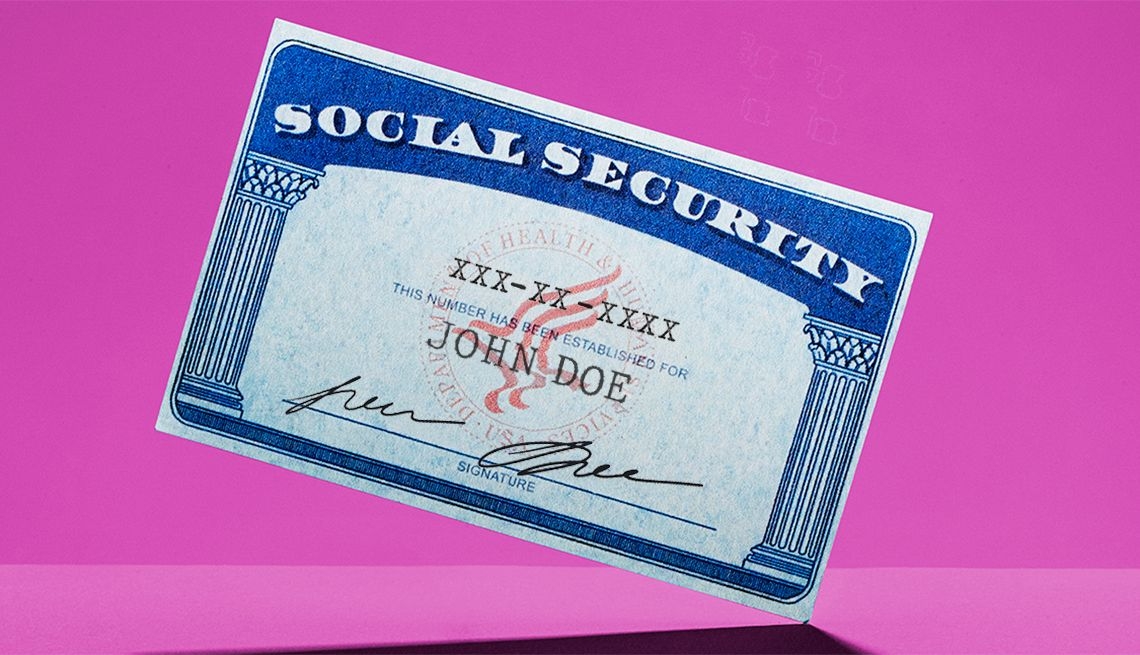
How Much Can I Earn on Social Security?
Earnings Limits, Benefit Reductions & the Retirement Earnings Test
For many Americans, Social Security benefits are a key part of retirement planning. But if you plan to work while collecting Social Security retirement benefits, it’s crucial to understand how your earnings can affect those benefits. This article breaks down:
-
How earnings affect your Social Security income
-
The specific limits you need to know
-
How benefit reductions work
-
The Retirement Earnings Test
-
What happens after you reach full retirement age
-
Tax implications and planning tips
1. Can You Work and Collect Social Security?
Yes — you can absolutely work and receive Social Security retirement benefits at the same time. There’s no rule that stops you from earning income just because you start your benefits. However, if you are younger than your Full Retirement Age (FRA) and you earn more than certain limits, the Social Security Administration (SSA) may temporarily reduce your benefit payments.
But before we dive deeper into the earnings rules, let’s clarify what “full retirement age” means.
2. What Is Full Retirement Age (FRA)?
Your Full Retirement Age (FRA) is the age at which you are eligible to receive your full Social Security retirement benefit — not reduced for early claiming.
-
For most people retiring now, FRA is between 66 and 67, depending on your birth year.
-
For example, if you were born in 1960 or later, your FRA is age 67.
You can claim benefits as early as age 62, but they’ll be permanently reduced if you start before your FRA. Working before FRA doesn’t stop your benefits, but it can trigger temporary reductions if your earnings exceed limits, as we’ll explain next.
3. Earnings Limits: 2025 & 2026
When you work while receiving Social Security and haven’t reached Full Retirement Age, the SSA sets annual earnings limits. If you go over these limits, your benefits may be reduced.
Here are the key thresholds:
A. Under Full Retirement Age (for the full year)
-
2025 earnings limit: $23,400
If you earn more than this amount, SSA will withhold $1 in benefits for every $2 you earn above the limit. -
2026 earnings limit: $24,480 (indexed annually)
Same $1-for-$2 rule applies for earnings above this in 2026.
B. The Year You Reach Full Retirement Age
In the year you reach FRA, a higher earnings limit applies — but only to earnings before you reach FRA:
-
2025 limit: $62,160
For every $3 you earn above this limit, SSA withholds $1 in benefits. -
2026 limit: $65,160
Same $1-for-$3 reduction applies before you reach your FRA.
C. After Full Retirement Age
Once you reach your FRA, there is no earnings limit. You can work and earn as much as you like without any benefit reduction based on earnings.
4. How Benefit Reductions Work
The idea behind these limits is not to permanently take your benefit away — it’s to temporarily withhold payments if your earnings are high before FRA.
Here’s how this works in practice:
A. Example: Under FRA
Suppose it’s 2025 and you are 63 and receiving Social Security.
-
You earn $30,000 in 2025 from working
-
The earnings limit is $23,400
-
You have $6,600 above the limit
-
SSA withholds benefits at $1 for every $2 excess earnings
-
$6,600 ÷ 2 = $3,300 withheld from your Social Security benefits for that year
So, you keep working, but your benefit checks will be reduced until the SSA has withheld $3,300 in total.
B. Example: Year You Reach FRA
If you reach your FRA in July 2025:
-
Only earnings before July count toward the earnings test
-
The higher limit is $62,160
-
Above that, SSA withholds $1 for every $3 earned over the limit before FRA
For example, if from January to June you earn $65,000:
-
Excess is $2,840 ($65,000 – $62,160)
-
SSA withholds $2,840 ÷ 3 ≈ $947 in withheld benefits.
C. Annual vs. Monthly Limits
SSA also uses a “special monthly rule” in your first year of retirement or if you start mid-year. This means if your earnings in a month are below a certain monthly threshold, you may still receive your full benefit for that month even if your annual earnings exceed the yearly limit.
5. Are You Actually Losing Money? Not Always!
A common misconception is that these withheld benefits are gone forever. That’s not quite accurate:
-
If your benefits are reduced because you earned too much before FRA, SSA recalibrates your benefit once you reach FRA.
-
SSA increases your monthly benefit amount to give you credit for months in which benefits were withheld — similar to a delayed claiming credit.
In other words, benefit reductions due to excess earnings while under FRA are generally a deferral, not a permanent loss.
6. What Counts as “Earnings”?
For the purpose of the earnings test:
-
Wages from a job (W-2 income) count
-
Net earnings from self-employment count
-
Investment income, pensions, annuities, interest, capital gains, and other unearned income do not count toward the earnings test.
Social Security uses your gross income from wages or net self-employment as the measure. Your Social Security benefit checks are not included in your earnings count.
7. How Social Security Benefits Are Taxed
Separate from earnings limits, Social Security benefits may be taxable depending on your total income, including earnings:
-
Up to 50% of your benefits may be taxable if your combined income is above certain thresholds.
-
Up to 85% may be taxable if your income exceeds higher thresholds.
These thresholds are not indexed for inflation and can affect many retirees who work or have other income sources.
8. Planning Tips & Practical Considerations
Here are some ideas to help you manage working while receiving benefits:
A. Know Your FRA & Claims Strategy
Claiming early at age 62 reduces your monthly benefit — often permanently — compared to waiting until FRA or age 70.
-
If you plan to keep working part-time, calculating the impact of earnings limits might change your claiming strategy.
-
Tools such as SSA’s online calculators can help estimate benefit amounts at different ages.
B. Consider Timing of Income
If possible, timing your work income to stay under the limits — especially early retirement — may help keep more benefit checks flowing.
-
For example, you might limit work hours or timing of self-employment income in years before FRA to avoid reductions.
C. Remember the Special Monthly Rule
If you start benefits mid-year, the monthly rule may allow full payments for certain months even if annual earnings exceed the limit. This can be helpful if you expect fluctuating work income.
D. Understand Tax Impacts
Working while collecting benefits may also increase your income tax or Medicare Part B/D premiums due to higher income brackets.
9. Key Takeaways
✅ You can work and collect Social Security — there’s no prohibition on earnings.
✅ Earnings limits apply only if you are under your Full Retirement Age (FRA).
✅ In 2025, the annual earnings limit is $23,400 if you’re under FRA.
✅ A higher limit applies in the year you reach FRA ($62,160 in 2025) before the month you reach FRA.
✅ After FRA, there are no earnings limits — you can earn as much as you want without benefit reduction.
✅ Reductions due to the earnings test are temporary and may increase your future benefits.
✅ Your benefits may still be taxable depending on total income.
10. Final Thoughts
Working in retirement can be both financially and personally rewarding. Understanding how Social Security treats your earnings — especially before reaching Full Retirement Age — is essential for making informed decisions about your retirement income and work plans.
- Arts
- Business
- Computers
- Spellen
- Health
- Home
- Kids and Teens
- Money
- News
- Personal Development
- Recreation
- Regional
- Reference
- Science
- Shopping
- Society
- Sports
- Бизнес
- Деньги
- Дом
- Досуг
- Здоровье
- Игры
- Искусство
- Источники информации
- Компьютеры
- Личное развитие
- Наука
- Новости и СМИ
- Общество
- Покупки
- Спорт
- Страны и регионы
- World

 English
 Russian
 French
 Spanish
 Portuguese
 Deutsch
 Turkish
 Italiano
 Arabic
 Romaian
 Portuguese (Brazil)
 Greek
Greek