
What Is Lead Nurturing and How Does It Work?
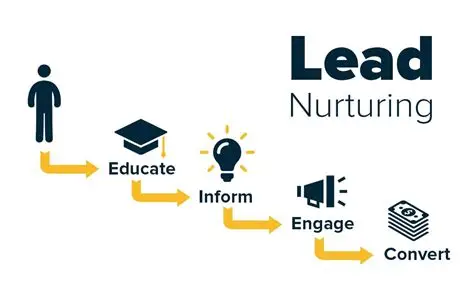
Lead nurturing is one of the most misunderstood and most important parts of sales and marketing. Many businesses focus heavily on generating leads, but far fewer know how to convert those leads into paying customers. That gap is where lead nurturing lives.
This article explains what lead nurturing is, why it matters, how it works step by step, and how businesses use it to consistently turn interest into revenue.
1. What Is Lead Nurturing? (Simple Definition)
Lead nurturing is the process of building relationships with potential customers over time by providing relevant information, value, and follow-up until they are ready to buy.
In simple terms:
Lead nurturing helps people buy when they are ready — not when you want them to.
Most leads are not ready to purchase immediately. Nurturing keeps you relevant until the timing is right.
2. Why Lead Nurturing Is Necessary
Studies consistently show that:
-
most leads do not convert on first contact
-
buyers need multiple touchpoints before deciding
-
trust takes time to build
Without lead nurturing:
-
leads go cold
-
competitors win
-
marketing spend is wasted
Lead nurturing protects and multiplies your lead investment.
3. Lead Generation vs Lead Nurturing
These two are often confused.
Lead Generation
-
attracts attention
-
captures contact information
-
fills the funnel
Lead Nurturing
-
builds trust
-
educates leads
-
moves them toward a decision
Lead generation starts the relationship.
Lead nurturing develops it.
4. How Lead Nurturing Works (High-Level Overview)
Lead nurturing works through relevant, consistent communication across time.
The basic flow:
-
A lead enters your system
-
They receive helpful follow-up
-
Trust and awareness increase
-
Buying readiness improves
-
Sales conversation happens
Nurturing bridges curiosity and commitment.
5. Why Most Leads Don’t Buy Immediately
Common reasons include:
-
poor timing
-
lack of urgency
-
insufficient information
-
internal approval needed
-
budget cycles
Lead nurturing keeps the door open until conditions align.
6. The Psychology Behind Lead Nurturing
Effective nurturing is based on human behavior:
-
people avoid pressure
-
people respond to relevance
-
people trust familiarity
Repeated positive exposure builds confidence.
7. Lead Nurturing Across the Sales Funnel
Lead nurturing supports every funnel stage.
7.1 Top of Funnel (Awareness)
Leads are:
-
learning
-
exploring
-
problem-aware
Nurturing focuses on education.
7.2 Middle of Funnel (Consideration)
Leads are:
-
comparing options
-
evaluating solutions
Nurturing focuses on differentiation and trust.
7.3 Bottom of Funnel (Decision)
Leads are:
-
close to buying
-
seeking reassurance
Nurturing focuses on clarity and confidence.
8. Common Lead Nurturing Channels
Lead nurturing happens through multiple channels:
-
email
-
social media
-
content marketing
-
SMS
-
retargeting ads
-
sales follow-ups
The channel matters less than relevance.
9. Email Lead Nurturing Explained
Email is the most widely used nurturing tool.
Effective nurturing emails:
-
provide value
-
educate
-
avoid constant selling
Email works because it is:
-
personal
-
scalable
-
permission-based
10. Types of Lead Nurturing Emails
10.1 Welcome Emails
Introduce your brand and set expectations.
10.2 Educational Emails
Teach concepts, frameworks, or insights.
10.3 Case Study Emails
Show proof and real-world results.
10.4 Objection-Handling Emails
Address common concerns.
10.5 Call-to-Action Emails
Invite next steps when timing is right.
11. Content-Based Lead Nurturing
Content nurtures leads even without direct contact.
Examples:
-
blog posts
-
videos
-
guides
-
webinars
Content positions you as a trusted authority.
12. Sales and Marketing Alignment in Lead Nurturing
Lead nurturing works best when:
-
marketing educates
-
sales personalizes
-
both share data
Misalignment causes leads to drop.
13. Lead Scoring and Nurturing
Lead scoring assigns value to behaviors.
Scores increase when leads:
-
open emails
-
click links
-
visit key pages
-
request information
Higher scores signal sales readiness.
14. Automated vs Manual Lead Nurturing
Automated Nurturing
-
email sequences
-
behavior-based triggers
-
scalable
Manual Nurturing
-
personal follow-ups
-
calls
-
relationship-building
The best systems use both.
15. Personalization in Lead Nurturing
Personalization improves engagement.
Effective personalization includes:
-
industry relevance
-
problem-specific content
-
timing-based messaging
Personalization is about relevance, not names.
16. How Long Does Lead Nurturing Take?
Lead nurturing timelines vary:
-
days for simple B2C purchases
-
weeks or months for B2B sales
-
longer for high-ticket offers
Patience is part of the process.
17. Lead Nurturing for B2B
B2B nurturing focuses on:
-
education
-
authority
-
long-term trust
Multiple stakeholders may be involved.
18. Lead Nurturing for B2C
B2C nurturing emphasizes:
-
emotional connection
-
speed
-
clarity
Decisions are often faster.
19. Retargeting Ads as Lead Nurturing
Retargeting ads:
-
reinforce messaging
-
stay visible
-
remind leads of value
They support nurturing without direct contact.
20. Common Lead Nurturing Mistakes
❌ sending too many sales messages
❌ ignoring timing
❌ treating all leads the same
❌ lack of value
❌ inconsistent follow-up
Nurturing fails when it feels pushy.
21. Measuring Lead Nurturing Success
Key metrics include:
-
email engagement
-
lead-to-opportunity conversion
-
time to close
-
revenue influenced
Success is measured over time.
22. Lead Nurturing and Trust
Trust is the core outcome of nurturing.
Trust grows through:
-
consistency
-
honesty
-
usefulness
Without trust, conversion stalls.
23. Example Lead Nurturing Flow
-
Lead downloads guide
-
Welcome email sent
-
Educational content delivered
-
Case study shared
-
Sales conversation offered
Each step builds readiness.
24. Lead Nurturing for Small Businesses
Small businesses should:
-
keep nurturing simple
-
focus on key messages
-
personalize where possible
Simple systems outperform complex ones.
25. Lead Nurturing for Large Organizations
Larger teams may use:
-
advanced automation
-
segmentation
-
CRM integration
Scale requires structure.
26. Lead Nurturing Is a Long-Term Asset
Nurtured leads:
-
convert at higher rates
-
cost less to acquire
-
stay loyal longer
Nurturing compounds value.
27. When Lead Nurturing Is Not Working
Common causes:
-
unclear messaging
-
weak value proposition
-
poor targeting
Fix fundamentals before adding complexity.
28. Lead Nurturing Improves Sales Efficiency
Well-nurtured leads:
-
require fewer follow-ups
-
close faster
-
object less
Sales conversations become easier.
29. Lead Nurturing Is Not Manipulation
Good nurturing:
-
helps buyers decide
-
respects timing
-
empowers choice
Pressure repels. Guidance attracts.
30. Final Takeaway
Lead nurturing is the bridge between interest and conversion.
The most effective lead nurturing:
-
delivers value
-
builds trust
-
respects readiness
If lead generation fills the funnel,
lead nurturing moves people through it.
Focus on helping, not pushing.
Be consistent, not aggressive.
Conversion will follow.
- Arts
- Business
- Computers
- Παιχνίδια
- Health
- Κεντρική Σελίδα
- Kids and Teens
- Money
- News
- Personal Development
- Recreation
- Regional
- Reference
- Science
- Shopping
- Society
- Sports
- Бизнес
- Деньги
- Дом
- Досуг
- Здоровье
- Игры
- Искусство
- Источники информации
- Компьютеры
- Личное развитие
- Наука
- Новости и СМИ
- Общество
- Покупки
- Спорт
- Страны и регионы
- World

 English
 Russian
 French
 Spanish
 Portuguese
 Deutsch
 Turkish
 Dutch
Dutch
 Italiano
 Arabic
 Romaian
 Portuguese (Brazil)