
What Are Effective Sales Coaching Techniques
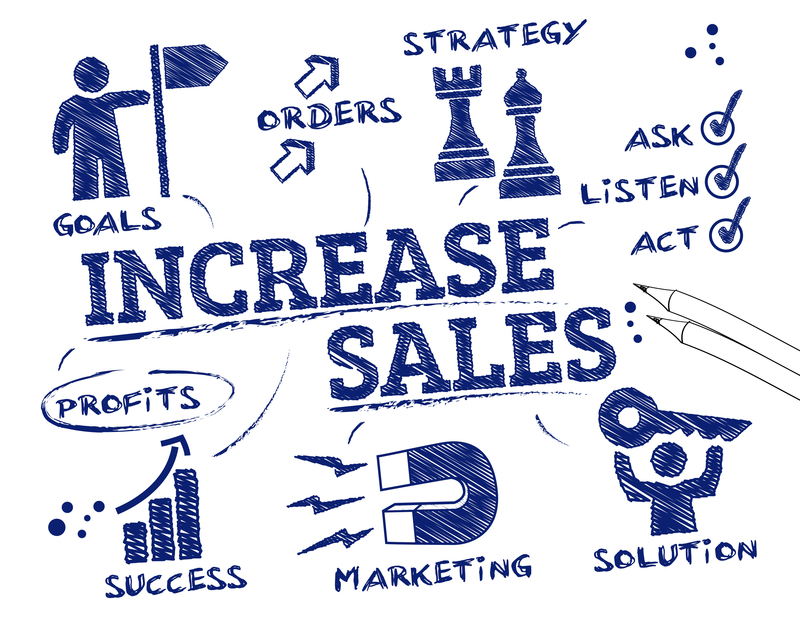
Sales coaching is one of the highest-leverage activities in sales management. Companies that coach their salespeople consistently outperform those that rely only on hiring, incentives, or pressure. The difference between an average sales team and a high-performing one is rarely talent alone — it is coaching quality, frequency, and structure.
This article provides a deep, practical guide to effective sales coaching techniques, including proven frameworks, step-by-step tutorials, example scripts, and best practices for coaching individuals and teams at scale.
1. What Is Sales Coaching?
Sales coaching is the ongoing process of:
-
observing sales behavior
-
diagnosing performance gaps
-
providing structured feedback
-
developing skills through practice
-
reinforcing best practices
Unlike training (which is usually one-to-many and event-based), coaching is continuous, personalized, and performance-driven.
2. Why Sales Coaching Is Critical
Effective sales coaching:
-
increases win rates
-
shortens sales cycles
-
improves quota attainment
-
boosts confidence and morale
-
reduces turnover
Research consistently shows that coached reps outperform non-coached reps by a wide margin.
3. Sales Coaching vs Sales Training
| Sales Training | Sales Coaching |
|---|---|
| One-time or periodic | Ongoing |
| Group-focused | Individual-focused |
| Knowledge-based | Behavior-based |
| Theory-heavy | Practice-heavy |
Training teaches what to do.
Coaching teaches how to do it better.
4. Who Should Coach Salespeople?
Primary sales coaches include:
-
sales managers
-
team leads
-
senior reps (peer coaching)
The most effective coaching comes from direct managers, because they understand performance metrics, deal context, and individual strengths.
5. Core Principles of Effective Sales Coaching
Great sales coaching is:
-
consistent (not reactive)
-
data-informed
-
behavior-focused
-
supportive, not punitive
-
tied directly to outcomes
Coaching is about improvement, not criticism.
6. Common Sales Coaching Mistakes
❌ Only coaching when performance drops
❌ Talking more than listening
❌ Focusing on results instead of behaviors
❌ Giving vague feedback
❌ Skipping follow-up
Avoiding these mistakes is just as important as applying good techniques.
7. The Sales Coaching Process (Step-by-Step)
A structured coaching process includes:
-
Observe performance
-
Diagnose skill gaps
-
Agree on a focus area
-
Practice through role-play
-
Apply in real situations
-
Review outcomes
-
Reinforce or adjust
Consistency matters more than intensity.
8. Data-Driven Sales Coaching
Use data to guide coaching:
-
call recordings
-
CRM activity logs
-
conversion rates
-
pipeline velocity
-
win/loss analysis
Data removes emotion and creates clarity.
9. Sales Coaching Frameworks
9.1 GROW Coaching Framework
One of the most widely used coaching models.
-
Goal: What do you want to achieve?
-
Reality: Where are you now?
-
Options: What could you do?
-
Will: What will you do next?
This framework encourages self-discovery.
9.2 Behavioral Coaching Framework
Focuses on:
-
identifying specific behaviors
-
linking behaviors to outcomes
-
practicing improved behaviors
Example:
Instead of “close more deals,” coach on asking better closing questions.
9.3 Skill-Based Coaching Framework
Targets one skill at a time:
-
prospecting
-
discovery
-
objection handling
-
closing
Depth beats breadth.
9.4 Deal Coaching Framework
Used for active opportunities:
-
review deal stage
-
assess buyer needs
-
identify risks
-
plan next steps
This is tactical and immediate.
10. One-on-One Sales Coaching Sessions
Effective one-on-ones should:
-
be scheduled regularly
-
follow a consistent agenda
-
focus on rep development
-
include action items
Avoid turning one-on-ones into status updates.
11. Sample Sales Coaching Agenda
-
Review recent performance metrics
-
Discuss wins and challenges
-
Select one coaching focus
-
Role-play or review calls
-
Agree on next actions
-
Schedule follow-up
Simple, repeatable, effective.
12. Sales Coaching Scripts (Examples)
12.1 Discovery Call Coaching Script
Coach:
“Walk me through how you opened the call.”
Rep:
(Explains approach)
Coach:
“What question helped you understand the customer’s real problem?”
Rep:
(Reflects)
Coach:
“What could you ask next time to go deeper?”
This script promotes reflection, not defensiveness.
12.2 Objection Handling Coaching Script
Coach:
“What objection did you hear most often this week?”
Rep:
“Price.”
Coach:
“What did you say when that came up?”
Coach:
“Let’s role-play two alternative responses.”
Practice builds confidence.
12.3 Closing Coaching Script
Coach:
“How did you know the buyer was ready to decide?”
Rep:
“I assumed.”
Coach:
“Let’s practice a trial close that confirms readiness.”
13. Role-Playing in Sales Coaching
Role-play is one of the most powerful coaching tools:
-
simulates real situations
-
reduces fear
-
builds muscle memory
Keep role-plays:
-
short
-
specific
-
realistic
Avoid overacting or embarrassment.
14. Call Coaching Techniques
Call coaching includes:
-
listening to recorded calls
-
identifying key moments
-
pausing to ask reflection questions
-
suggesting alternatives
Focus on 1–2 improvements per call.
15. Coaching Prospecting Skills
Prospecting coaching focuses on:
-
messaging clarity
-
call openings
-
objection responses
-
persistence
High prospecting skill = consistent pipeline.
16. Coaching Discovery Skills
Discovery coaching emphasizes:
-
asking open-ended questions
-
listening more than talking
-
uncovering pain points
-
confirming understanding
Great discovery makes selling easier.
17. Coaching Objection Handling
Effective coaching teaches reps to:
-
welcome objections
-
clarify concerns
-
respond calmly
-
validate buyer perspective
Objections signal interest, not rejection.
18. Coaching Negotiation Skills
Negotiation coaching includes:
-
value reinforcement
-
trade-offs
-
silence usage
-
confidence under pressure
Negotiation is a skill that improves with practice.
19. Coaching Closing Skills
Closing coaching helps reps:
-
recognize buying signals
-
ask confidently
-
reduce hesitation
-
manage decision timelines
Most reps lose deals by not asking.
20. Coaching Mindset and Confidence
Sales is mentally demanding.
Coaching should address:
-
rejection resilience
-
self-belief
-
emotional regulation
-
motivation
Mindset impacts performance as much as skill.
21. Coaching New vs Experienced Reps
New Reps
-
more structure
-
more repetition
-
clear expectations
Experienced Reps
-
collaborative coaching
-
data-driven insights
-
fine-tuning techniques
Adapt your approach.
22. Coaching High Performers
High performers still need coaching:
-
prevent stagnation
-
prepare for leadership
-
share best practices
Ignore them at your own risk.
23. Coaching Underperformers
Effective coaching for underperformers includes:
-
clear expectations
-
focused skill improvement
-
measurable milestones
-
support and accountability
Coaching comes before performance plans.
24. Frequency of Sales Coaching
Best practice:
-
weekly or bi-weekly one-on-ones
-
monthly skill sessions
-
quarterly performance reviews
Consistency builds momentum.
25. Measuring Sales Coaching Effectiveness
Track:
-
skill adoption
-
conversion improvements
-
pipeline growth
-
quota attainment
Coaching must impact metrics.
26. Coaching Documentation and Follow-Up
Document:
-
coaching focus
-
agreed actions
-
deadlines
Follow-up is where coaching succeeds or fails.
27. Coaching Culture vs Pressure Culture
Coaching cultures:
-
encourage learning
-
reduce fear
-
improve collaboration
Pressure-only cultures burn people out.
28. Using Technology in Sales Coaching
Tools support coaching through:
-
call recording and AI insights
-
CRM dashboards
-
coaching platforms
Technology scales coaching effectiveness.
29. Sales Coaching and Long-Term Growth
Organizations that coach consistently:
-
develop leaders internally
-
reduce hiring costs
-
outperform competitors
Coaching compounds over time.
30. Final Takeaway
Effective sales coaching is intentional, structured, and human.
The best coaches:
-
listen more than they talk
-
focus on behaviors, not blame
-
use data as a guide
-
practice skills repeatedly
-
follow up relentlessly
Sales coaching is not about fixing people —
it’s about unlocking their potential.
When done right, coaching:
-
improves performance
-
builds confidence
-
strengthens culture
-
drives sustainable revenue growth
- Arts
- Business
- Computers
- Oyunlar
- Health
- Home
- Kids and Teens
- Money
- News
- Personal Development
- Recreation
- Regional
- Reference
- Science
- Shopping
- Society
- Sports
- Бизнес
- Деньги
- Дом
- Досуг
- Здоровье
- Игры
- Искусство
- Источники информации
- Компьютеры
- Личное развитие
- Наука
- Новости и СМИ
- Общество
- Покупки
- Спорт
- Страны и регионы
- World

 English
 Russian
 French
 Spanish
 Portuguese
 Deutsch
 Dutch
Dutch
 Italiano
 Arabic
 Romaian
 Portuguese (Brazil)
 Greek
Greek