
Is Online Advertising Effective?
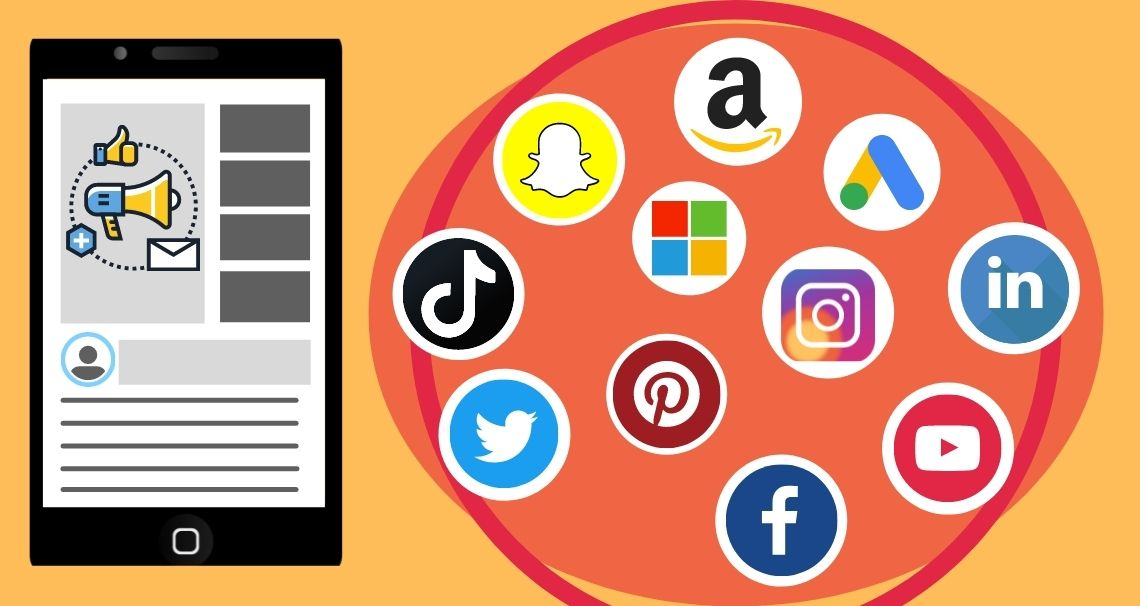
Online advertising has become one of the most dominant forces in modern marketing. Businesses of all sizes—from solo creators and startups to multinational corporations—invest billions of dollars every year into online ads. But despite its widespread adoption, a key question remains: is online advertising actually effective?
The short answer is yes—but only when it is done strategically. Online advertising is not a guaranteed success button. Its effectiveness depends on factors such as targeting, creative quality, platform choice, budget management, and measurement. When executed correctly, online advertising can deliver measurable, scalable, and highly profitable results that traditional advertising methods struggle to match.
This article explores what makes online advertising effective, when it works best, where it falls short, and how businesses can maximize its impact.
What Does “Effective” Mean in Online Advertising?
Before judging effectiveness, it’s important to define what “effective” actually means. Online advertising success looks different depending on the advertiser’s goals.
For some businesses, effectiveness means:
-
Increased sales or revenue
-
Higher return on ad spend (ROAS)
For others, it may mean:
-
Brand awareness
-
Website traffic
-
App downloads
-
Lead generation
-
Email sign-ups
Online advertising is effective when it achieves its intended objective at an acceptable cost.
Why Online Advertising Is Considered Effective
Online advertising stands out because it solves many of the limitations of traditional advertising. Unlike TV, radio, or print ads, online ads are measurable, flexible, and highly targeted.
Precision Targeting
One of the biggest reasons online advertising works is its ability to target specific audiences. Advertisers can reach people based on:
-
Age and gender
-
Location
-
Interests
-
Online behavior
-
Search intent
-
Past interactions with a brand
This level of precision reduces wasted ad spend and increases relevance, making ads more likely to resonate with viewers.
Real-Time Measurement
Online advertising platforms provide instant performance data. Advertisers can see:
-
How many people saw an ad
-
How many clicked
-
How many converted
-
How much each action cost
This real-time feedback allows campaigns to be optimized continuously instead of waiting weeks or months for results.
Scalability
Online advertising is scalable in a way traditional marketing rarely is. A campaign that performs well with a small budget can often be expanded to reach thousands or millions more people without changing the core strategy.
Cost Control
Advertisers control how much they spend, when they spend it, and where it goes. Daily budgets, bid caps, and performance-based pricing models help manage risk and test ideas efficiently.
The Role of Intent in Advertising Effectiveness
Not all online advertising relies on the same type of user behavior. Platforms differ in how users interact with ads.
High-Intent Advertising
Platforms like Google Search target users who are actively looking for something. When someone searches for “best laptop for students” or “emergency dentist near me,” they already have intent.
High-intent ads tend to:
-
Convert faster
-
Deliver stronger ROI
-
Be more competitive and expensive
Low-Intent Advertising
Social media platforms like Facebook, Instagram, TikTok, and YouTube focus on discovery rather than intent. Users are not actively searching to buy, but they may become interested through compelling content.
Low-intent ads are effective for:
-
Brand awareness
-
Demand generation
-
Long-term growth
The most effective strategies often combine both.
When Online Advertising Works Best
Online advertising is especially effective under certain conditions.
Clear Goals
Campaigns with specific, measurable objectives perform better than vague ones. Knowing whether the goal is sales, leads, or awareness guides every decision.
Strong Targeting
Reaching the right people is more important than reaching more people. Narrow, well-defined audiences often outperform broad targeting.
High-Quality Creative
Ads compete for attention in crowded feeds and search results. Strong visuals, compelling headlines, and clear messaging dramatically increase effectiveness.
Optimized Landing Pages
Even the best ads fail if they lead to poor user experiences. Fast-loading, relevant, and easy-to-navigate landing pages improve conversion rates.
Consistent Testing
Effective online advertising relies on continuous experimentation. Testing headlines, visuals, audiences, and formats leads to better performance over time.
Common Reasons Online Advertising Fails
While online advertising can be highly effective, it is not immune to failure. Many advertisers struggle because of common mistakes.
Poor Targeting
Showing ads to people who have no interest in the product leads to wasted budget and low engagement.
Weak Messaging
Unclear or generic ads fail to communicate value. If users don’t understand why they should care, they won’t act.
Unrealistic Expectations
Some advertisers expect instant results without testing or optimization. Online advertising is powerful, but it still requires strategy and patience.
Lack of Tracking
Without proper conversion tracking, advertisers cannot tell what is working and what is not, making optimization impossible.
Creative Fatigue
Ads lose effectiveness over time as audiences see them repeatedly. Refreshing creative is essential for sustained performance.
Measuring the Effectiveness of Online Advertising
Effectiveness is proven through data. Online advertising platforms provide metrics that help advertisers evaluate success.
Common indicators include:
-
Click-through rate (CTR)
-
Cost per click (CPC)
-
Conversion rate
-
Cost per acquisition (CPA)
-
Return on ad spend (ROAS)
These metrics allow advertisers to quantify results and compare performance across campaigns and platforms.
Online Advertising vs Traditional Advertising Effectiveness
Compared to traditional advertising, online advertising offers several advantages.
Traditional advertising:
-
Is harder to measure
-
Reaches broader, less targeted audiences
-
Requires higher upfront costs
-
Is slower to optimize
Online advertising:
-
Is highly measurable
-
Allows precise targeting
-
Can start with small budgets
-
Enables real-time adjustments
For many businesses, online advertising delivers better efficiency and accountability than traditional channels.
Industry-Specific Effectiveness
Online advertising effectiveness varies by industry.
Highly effective industries include:
-
eCommerce
-
SaaS and software
-
Local services
-
Education and online courses
-
Mobile apps
Industries with longer sales cycles or niche audiences may require more advanced strategies but can still benefit significantly.
Long-Term vs Short-Term Effectiveness
Online advertising can produce both immediate and long-term results.
Short-term effectiveness:
-
Immediate traffic
-
Quick sales
-
Rapid testing
Long-term effectiveness:
-
Brand recognition
-
Customer lifetime value
-
Retargeting opportunities
-
Audience data accumulation
The most successful advertisers view online advertising as an ongoing investment rather than a one-time tactic.
The Human Factor in Advertising Success
Technology enables online advertising, but human decision-making still plays a crucial role.
Understanding customer psychology, emotional triggers, and pain points enhances ad effectiveness. Ads that speak directly to a user’s problem or desire outperform generic messages.
Storytelling, social proof, and authenticity significantly improve engagement across platforms.
Final Thoughts: Is Online Advertising Effective?
Yes—online advertising is highly effective when done correctly. Its strength lies in precise targeting, real-time measurement, scalability, and flexibility. However, effectiveness is not automatic. Poor strategy, weak creative, and lack of optimization can quickly drain budgets without results.
Businesses that treat online advertising as a system—combining data, creativity, testing, and patience—consistently see strong returns. In today’s digital-first world, online advertising is not just effective; for many businesses, it is essential.
- Arts
- Business
- Computers
- Jocuri
- Health
- Home
- Kids and Teens
- Money
- News
- Personal Development
- Recreation
- Regional
- Reference
- Science
- Shopping
- Society
- Sports
- Бизнес
- Деньги
- Дом
- Досуг
- Здоровье
- Игры
- Искусство
- Источники информации
- Компьютеры
- Личное развитие
- Наука
- Новости и СМИ
- Общество
- Покупки
- Спорт
- Страны и регионы
- World

 English
 Russian
 French
 Spanish
 Portuguese
 Deutsch
 Turkish
 Dutch
Dutch
 Italiano
 Arabic
 Portuguese (Brazil)
 Greek
Greek
